
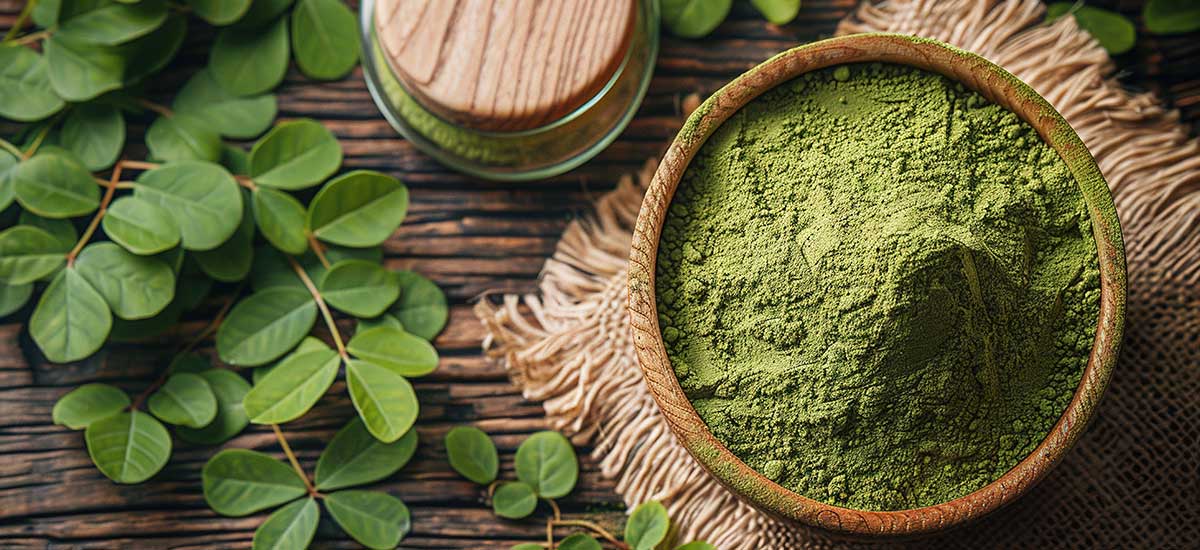
Moringa is a fast-growing, nutrient-dense tree prized for its edible leaves, young pods (drumsticks), flowers, and seeds. Used as both a vegetable and an herb, it is valued for its high vitamin and mineral content, rapid production, drought tolerance, and versatile culinary and medicinal uses. In this guide, we cover everything gardeners need to know to grow Moringa from seed, care for it throughout its life cycle, harvest its multiple edible parts, and incorporate them into daily life.
Common Names: Moringa, Drumstick Tree, Miracle Tree, Horseradish Tree, Ben Oil Tree.
Table of Contents
What is Moringa?
Moringa oleifera is a fast-growing, drought-tolerant tree native to northern India but now cultivated throughout tropical and subtropical regions of the world. It is commonly called the “Drumstick Tree” due to its long, slender pods, or the “Miracle Tree” for its extraordinary nutritional properties and multiple uses.
Every part of the Moringa tree is usable. Young leaves and shoots are harvested as a leafy green vegetable, immature pods serve as nutritious drumsticks in cooking, flowers can be eaten or brewed into tea, and seeds are pressed for edible oil or used in water purification. Even the bark and roots have traditional medicinal applications, though these are less commonly consumed due to potency.
Its ability to establish quickly in warm climates, tolerate drought, and recover after pruning makes it ideal for home gardens, permaculture systems, and food security projects. Moringa’s versatility and resilience mean it can provide nutrition and green cover in a wide range of environments, from small backyard plots to community gardens.
History and Cultural Significance
Moringa has been cultivated for thousands of years. In India, it is a staple of traditional medicine and cuisine, often cited in Ayurvedic texts for its healing properties. Its use extends to Africa, Southeast Asia, and the Caribbean, where it has been incorporated into local diets and herbal remedies.
Historically, Moringa leaves were used to treat malnutrition, boost energy, and support lactating mothers. In African communities, seeds have been used to purify water due to their coagulating properties. The tree has also been valued culturally for shade, timber, and as a source of fast-growing fodder for livestock. Understanding this rich history helps gardeners appreciate Moringa not just as a plant, but as a culturally significant and multifunctional resource.
Key Benefits & Nutritional Profile
Moringa is often described as a “superfood” due to its exceptional nutritional density. Its leaves, pods, and seeds contain a wealth of vitamins, minerals, and plant compounds that make it highly valuable for human nutrition.
- Leaves are rich in vitamin A, vitamin C, calcium, potassium, iron, and protein — often surpassing common vegetables in nutrient content.
- Young pods (drumsticks) are high in vitamin C, dietary fiber, and antioxidants.
- Seeds contain healthy oils, essential amino acids, and compounds that can help purify water and reduce bacterial contamination.
- Flowers provide micronutrients and can be consumed fresh, fried, or brewed into tea.
- The plant’s rapid growth ensures a continuous supply of leaves and pods for consumption or storage.
Regular consumption of Moringa can contribute to overall well-being, providing essential nutrients that are otherwise difficult to obtain in certain climates or for those with limited access to diverse vegetables. Gardeners seeking a reliable source of greens, a culinary herb, or a nutritional supplement often choose Moringa for its efficiency and yield.
Botanical Features
Moringa is typically a slender tree that can reach 10–12 meters in height, though it is often pruned to 2–3 meters for easier leaf harvest. Its crown is open and feathery, allowing good airflow and light penetration.
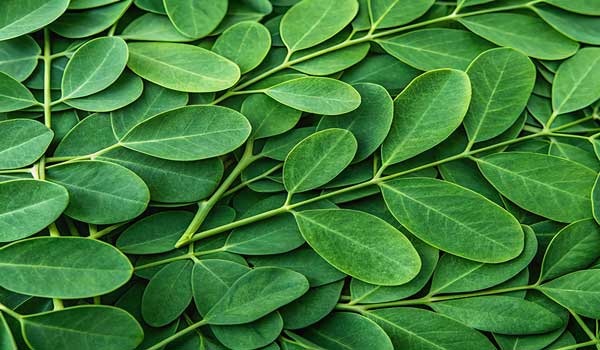
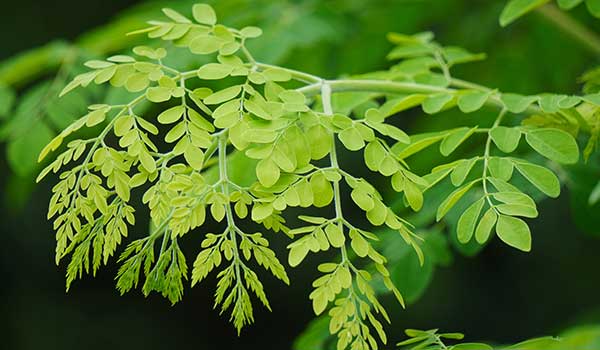
- Leaves: Bipinnate, composed of numerous small, oval leaflets. Leaves are soft, edible, and can be harvested multiple times throughout the year.
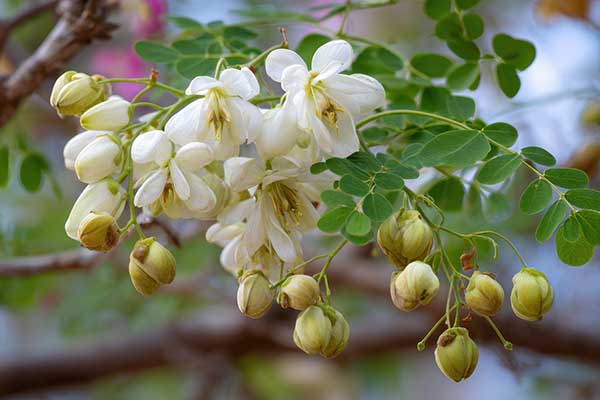
- Flowers: Fragrant, creamy-white, and arranged in small clusters. Flowers are not only edible but also attract bees and other pollinators.
- Pods: Long, slender, green pods often called drumsticks. These are harvested young for cooking or left to mature for seed collection.
- Seeds: Round, contained within pods. Seeds can be eaten, pressed for oil, or used in traditional water treatment methods.
- Roots and Bark: The taproot enables drought tolerance. Bark becomes woody as the tree matures; roots have traditional medicinal uses but are potent and should be used cautiously.
The combination of leaves, flowers, pods, and seeds makes Moringa a multi-purpose tree suitable for culinary, medicinal, and environmental uses.
How to Grow Moringa from Seed
Seed Preparation and Sowing
Moringa seeds are easy to germinate and typically sprout within 7–14 days. For best results, sow seeds 1–2 cm deep in free-draining seed mix. Older seeds can benefit from scarification to improve germination.
Seeds can be sown directly into the garden in warm conditions or started in seed trays or pots for transplanting. In cooler regions, starting seeds indoors or in a greenhouse can help young plants survive frost or chilly nights. Always ensure adequate drainage and avoid heavy waterlogging, which can cause seed rot.
Choosing the Right Location
- Full sun is essential — Moringa thrives in bright, hot conditions.
- Prefers sandy or loamy soils; avoid heavy clay.
- Well-drained soil prevents root rot and promotes strong growth.
- Raised garden beds or containers can be used in areas with poor soil or higher rainfall.
Moringa is drought-tolerant once established but will grow faster and produce more leaves with occasional watering during prolonged dry periods. Young trees are particularly sensitive to moisture stress, so regular watering is important during the first months.
Care & Maintenance
Watering
Keep seedlings consistently moist until established. Once mature, water deeply but less frequently. Overwatering can harm the roots, while under-watering slows growth.
Pruning & Training
Early pruning encourages a bushy, multi-stemmed tree ideal for leaf harvest. Regular pruning maintains manageable height and promotes continuous production of tender leaves and pods.
Fertilisation
Moringa is not a heavy feeder but benefits from organic compost or light balanced fertiliser applications. Mulching around the base conserves soil moisture and adds nutrients as it decomposes.
Protection from Cold
Moringa is frost-sensitive. In temperate areas, consider growing it in pots to move indoors during winter or provide frost protection for young plants. In warmer Australian climates, it can grow year-round with minimal intervention.
Harvesting & Storage
Leaves can be harvested when young and tender. Frequent leaf harvesting encourages new growth and maximises yield. Young pods should be picked when they are tender and flexible; older pods are better left for seed collection.
Leaves can be eaten fresh, wilted in stir-fries, cooked like spinach, or dried for later use. Drying leaves at low temperatures preserves nutrients and allows storage for months. Seeds can be collected from mature pods and either replanted, eaten, or pressed for oil. Flowers can be eaten fresh, fried, or brewed as a tea.
How to Use Moringa — Vegetable & Herb
Moringa is unique because it can serve both as a vegetable and an herb:
As a Vegetable
- Drumsticks (young pods) are commonly used in soups, curries, and stews. They are tender and nutritious, adding texture and vitamins to dishes.
- Leaves can be used in salads, stir-fries, soups, and omelettes. When cooked, the leaves have a mild, slightly earthy flavour similar to spinach.
As an Herb / Supplement
- Fresh leaves can be used as a green herb or garnish for flavour and colour.
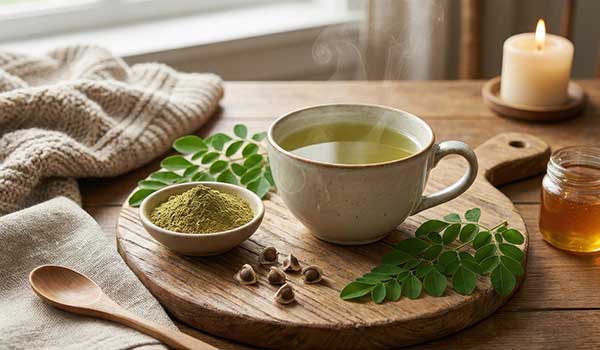
- Powdered leaves are ideal for smoothies, sauces, soups, or teas to boost nutritional intake.
- Dried leaves can be stored long-term, providing a year-round source of nutrients.
Flowers can be lightly battered and fried, or brewed as a fragrant tea, adding versatility to both culinary and herbal uses. The plant’s adaptability allows gardeners to consume it in multiple ways, depending on culinary needs and harvest timing.
Medicinal Uses & Safety
Moringa is widely recognised for its medicinal properties. Traditionally, it has been used to improve nutrition, support lactation, and treat minor digestive or inflammatory issues. Modern research suggests that Moringa may have antioxidant, anti-inflammatory, and blood sugar-modulating effects.
- Leaves are highly nutritious, helping combat micronutrient deficiencies.
- Flowers and pods contain antioxidants and bioactive compounds with potential health benefits.
- Seeds have been studied for water purification and antibacterial effects.
Despite its benefits, Moringa should not replace medical treatment. Seeds, roots, and bark contain compounds that can be potent or toxic if used incorrectly. Pregnant or breastfeeding women should exercise caution, and pets should not consume seeds or root extracts.
Environmental & Gardening Benefits
Moringa is not just a food and herb plant; it offers environmental and ecological advantages:
- Drought-resistant and fast-growing, providing shade and windbreaks.
- Leaves fall and decompose quickly, improving soil fertility and adding organic matter.
- Roots can help prevent soil erosion on slopes.
- Attracts pollinators like bees and butterflies, enhancing biodiversity.
- Can be intercropped with legumes or vegetables to create resilient food forests.
Its adaptability to marginal soils makes Moringa suitable for gardeners who want a productive, low-maintenance tree that improves the surrounding ecosystem.
Pests, Problems & Tips
- Pests: Caterpillars, aphids, and scale insects may occasionally affect foliage. Monitor regularly and use organic sprays or manual removal if needed.
- Diseases: Root rot is the main concern in poorly drained soils. Ensure planting areas are well-drained.
- Tips: Mulch, prune regularly, and harvest leaves frequently to encourage vigorous regrowth.
Although Moringa is generally low-maintenance, paying attention to these small details helps gardeners achieve higher yields and healthier trees.
Start Growing Moringa Today!
Moringa is an excellent addition to any garden. With proper sowing, pruning, and care, you can harvest leaves within weeks and pods within months, creating a sustainable source of vegetables, herbs, and nutrition. Its multi-purpose nature makes it a rewarding plant for gardeners, chefs, and anyone interested in improving health and food security.
Get your Moringa Seeds today and enjoy the benefits of this incredible herb and vegetable!