

Vermiculite is a natural mineral that has been used for decades as a soil improver, seed-starting medium and growing amendment.
Its combination of moisture retention, aeration and nutrient-holding capacity makes it useful for gardeners, urban growers and horticultural applications.
Whether growing vegetables, herbs, flowers or ornamental plants, vermiculite can be incorporated into growing media to help create a more consistent root-zone environment.
Vermiculite, Expanded Mica and Horticultural Vermiculite.
This guide explores how vermiculite can be used as a soil improver, including its benefits, preparation techniques, application methods and practical tips for plant growth.
Table of Contents
- Understanding Vermiculite: An Overview
- Properties of Vermiculite
- Benefits of Vermiculite for Soil and Plants
- How to Apply Vermiculite in Gardens
- Using Vermiculite for Seed Starting
- Mixing Vermiculite into Potting Soil
- Vermiculite in Container Gardening
- Soil Maintenance and Vermiculite
- Common Issues and Troubleshooting
- Sustainable Gardening with Vermiculite
- Impact on Edible Plants and Crops
- Frequently Asked Questions About Vermiculite
- Maximising Growth With Vermiculite
Understanding Vermiculite: An Overview
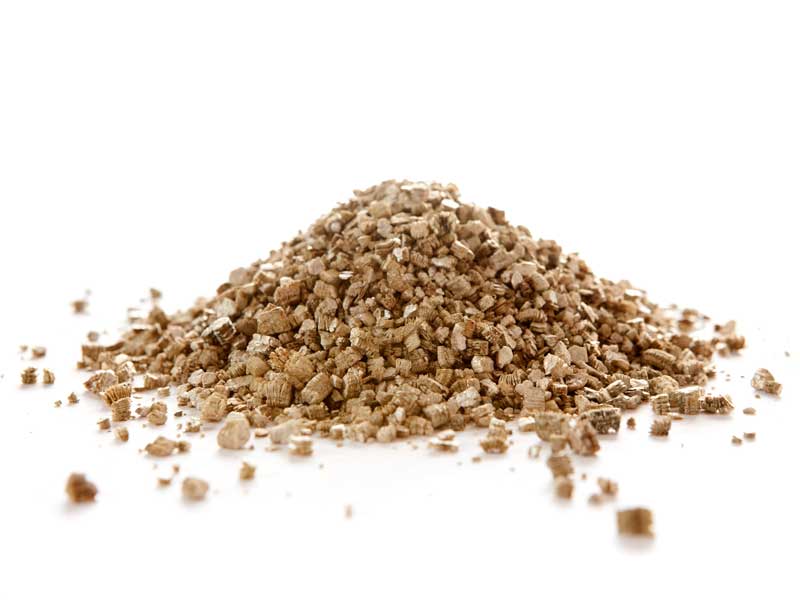
Vermiculite is a naturally occurring mineral that expands when heated to high temperatures. This creates lightweight, porous particles with excellent water-retention and aeration properties.
Unlike dense mineral soil, expanded vermiculite has a lightweight structure that can help create air spaces while retaining moisture around plant roots.
Used for both indoor and outdoor gardening, vermiculite is compatible with vegetables, herbs, flowers and ornamental plants. It can be used in raised beds, containers, seed-starting mixes and traditional garden soils.
Expanded natural mineral
Moisture retention
Lightweight and porous
Seed raising, pots and soil mixes
Helps maintain moisture and air spaces
Vegetables, herbs, flowers and ornamentals
Properties of Vermiculite
Vermiculite possesses several characteristics that make it useful as a horticultural growing amendment.
Vermiculite can absorb and retain significant amounts of water, helping maintain more consistent moisture around plant roots.
Its lightweight, porous structure creates spaces within growing media that can help roots access oxygen.
Vermiculite can hold nutrients such as potassium, calcium and magnesium within the root zone.
Vermiculite is generally neutral to slightly alkaline, although properties can vary between products and sources.
Its low bulk density makes vermiculite easy to mix into seed-raising and container-growing media.
Commercial horticultural vermiculite is widely used in propagation, seed starting and growing mixes.
It is commonly used where growers want to improve moisture retention and create a lighter growing medium, especially in seed trays, containers and prepared potting mixes.
Benefits of Vermiculite for Soil and Plants
Vermiculite can help create a lighter, more open growing medium that gives young roots room to develop.
Water held within vermiculite particles can help maintain a more stable supply of moisture around the root zone.
Fine vermiculite can provide a moist, lightweight environment around germinating seeds.
Consistent moisture and a suitable root-zone environment can support healthy plant establishment and growth.
Because vermiculite retains water, growing mixes containing it may dry out more slowly than highly free-draining mixes.
For more detailed scientific information about vermiculite and plant-growing applications, see
this research study
.
How to Apply Vermiculite in Gardens
Vermiculite can be used in several different ways depending on the crop, growing medium and reason for application.
Surface Layer
Sprinkle a thin layer over the growing medium when sowing suitable seeds to help maintain moisture near the soil surface.
Mix Into Soil
Incorporate vermiculite through the upper 10–15 cm of prepared soil where improved moisture retention and soil structure are required.
Use in Growing Mixes
Combine vermiculite with compost, potting mix or other growing-media ingredients according to the needs of the plants being grown.
Mixing vermiculite evenly through the growing medium helps avoid areas with noticeably different moisture-holding characteristics.
Using Vermiculite for Seed Starting
Vermiculite is widely used for seed starting because its lightweight structure can retain moisture while still allowing air around germinating seeds and young roots.
Maintaining even moisture is particularly important during germination, when very small seeds and emerging roots can dry out quickly.
Step-by-Step Guide for Using Vermiculite
Choose the Right Container
Use seed trays, small pots or shallow containers with suitable drainage.
Prepare the Vermiculite
Moisten fine vermiculite until it is damp but not saturated. Fill the propagation container to the depth appropriate for the seeds being sown.
Sow the Seeds
Place seeds evenly across the growing medium. Follow the sowing-depth requirements of the particular seed variety.
Water Gently
Mist or water carefully so seeds are not displaced. Maintain suitable humidity without leaving the medium saturated.
Provide Light & Warmth
Place trays in conditions appropriate for the crop being germinated. Temperature requirements vary considerably between plant species.
Monitor Moisture
Check the growing medium regularly and keep it consistently damp during germination.
Transplant Seedlings
Once seedlings are sufficiently developed, transplant them into pots, raised beds or garden soil according to the requirements of the crop.
Additional Tips for Success
Small Seeds
Fine vermiculite can be used as a light covering over some small seeds to help maintain moisture around the seed during germination.
Seed-Starting Mixes
Vermiculite can be combined with commercial seed-starting mix or other suitable propagation media rather than necessarily being used alone.
Avoid Stagnant Water
Vermiculite retains moisture, so trays should still have adequate drainage and should not remain saturated.
Label Your Trays
Clearly label seed trays with the variety and sowing date, particularly when several crops are being propagated at the same time.
Vermiculite can be particularly useful when propagating vegetables, herbs, flowers and other crops where maintaining consistent moisture during germination is important.
Mixing Vermiculite into Potting Soil
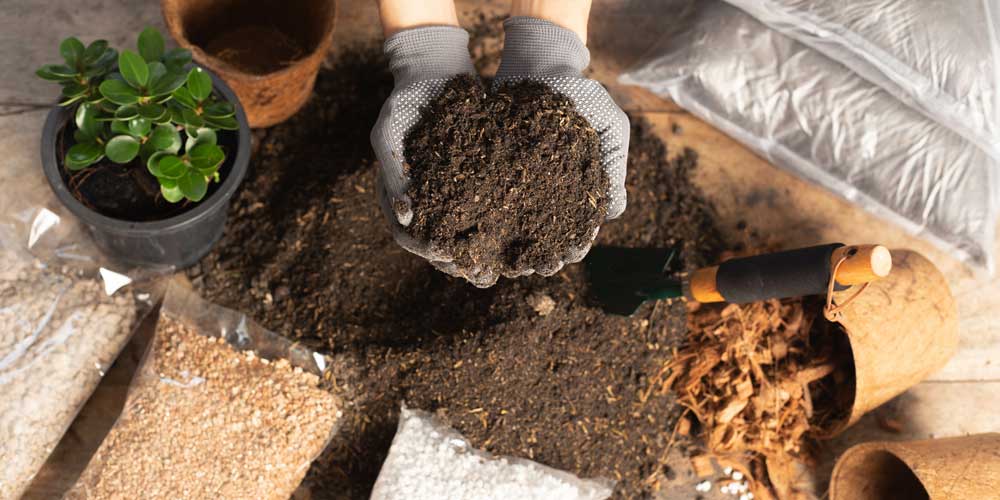
Vermiculite can be incorporated into potting and growing mixes to change their moisture-holding and physical characteristics.
The original guide suggests combining approximately 1 part vermiculite with 2 parts compost or peat moss as a general-purpose growing mix.
Equal parts vermiculite, compost and loamy soil can be used as a starting point for vegetables such as tomatoes, peppers and lettuce.
The original guide suggests combining vermiculite, sand and organic soil for herbs requiring a free-draining growing environment.
There is no single vermiculite ratio suitable for every crop. Plants that prefer dry, sharply drained conditions generally need a different mix from moisture-loving plants.
Vermiculite in Container Gardening
Containers can dry out considerably faster than garden soil, particularly during warm Australian weather.
Incorporating vermiculite into a container-growing medium can help retain moisture while keeping the mix relatively lightweight.
Incorporate vermiculite through the mix to increase moisture retention.
Include vermiculite in transplant mixes where additional moisture retention is desirable.
Vermiculite adds relatively little weight compared with mineral garden soil.
Adjust irrigation because mixes containing vermiculite may remain moist for longer.
Whether growing tomatoes on a balcony, herbs in pots or seedlings in propagation trays, vermiculite can help maintain a more consistent moisture environment.
Soil Maintenance and Vermiculite
Growing media change over time as organic matter decomposes, roots grow and soil is disturbed. Monitor the condition of the mix rather than relying on a single initial application.
Assess the Soil
Check moisture retention, drainage and structure when preparing garden beds or containers for another crop.
Add Organic Matter
Mix compost or other appropriate organic material into the soil to maintain fertility and structure.
Adjust Vermiculite if Needed
Add additional vermiculite where the growing medium would benefit from greater moisture retention.
Review Irrigation
Adjust watering frequency according to the crop, season and moisture-holding capacity of the growing medium.
Common Issues and Troubleshooting
Growing Mix Staying Too Wet
Possible cause: A high proportion of vermiculite combined with frequent watering or poor drainage.
What to do: Reduce watering and consider increasing the proportion of free-draining material such as perlite or another appropriate component.
Mix Drying Too Quickly
Possible cause: A very free-draining growing medium, hot conditions or insufficient moisture-retaining material.
What to do: Review irrigation frequency and consider incorporating additional moisture-retaining material where appropriate.
pH Sensitivity
Vermiculite can vary in pH. If growing plants with specific acidic or alkaline soil requirements, monitor the complete growing medium rather than assuming all vermiculite products are identical.
Dust
Fine dry vermiculite can generate dust during handling. Avoid creating airborne dust and use appropriate respiratory protection when handling dusty material, particularly in larger quantities.
Sustainable Gardening with Vermiculite
Vermiculite can contribute to more efficient growing systems when it is used for a clear horticultural purpose rather than simply being added routinely.
Moisture Management
Improving moisture retention in rapidly drying growing media can reduce plant water stress and may reduce irrigation frequency.
Healthy Root Systems
A well-balanced growing medium supports root development and can improve plant establishment.
Combine With Compost
Vermiculite can be used alongside compost and other organic amendments rather than as a substitute for soil fertility management.
Use Where Needed
Targeted use in propagation trays, pots and specialised growing mixes can be more practical than applying it indiscriminately across large garden areas.
Impact on Edible Plants and Crops
Horticultural vermiculite can be incorporated into growing media used for herbs, vegetables and other edible plants.
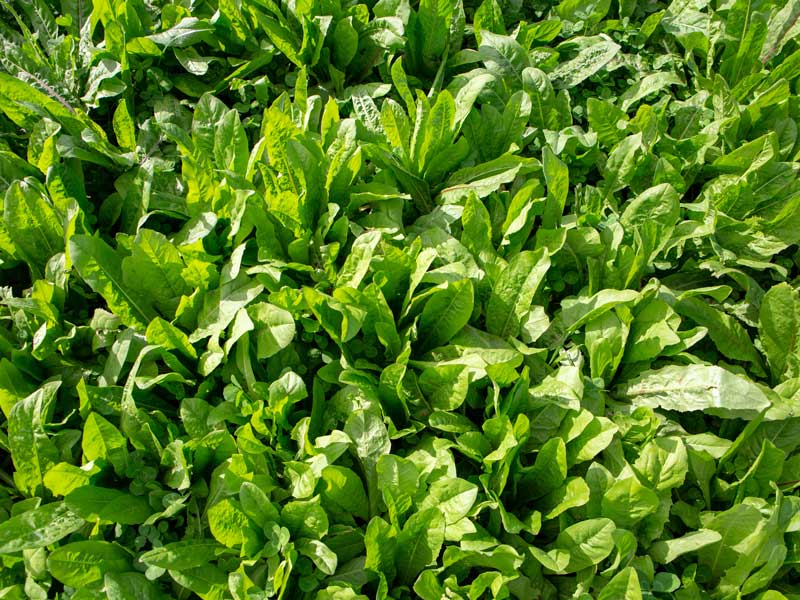
Moisture retention can be useful for crops such as lettuce, spinach and kale that perform best with reasonably consistent soil moisture.
Vermiculite is commonly used during propagation where young roots require a moist but well-aerated environment.
It can be included in container and raised-bed mixes for crops such as tomatoes, peppers and other vegetables.
Vermiculite can be incorporated into herb-growing media where additional moisture retention is desirable.
Fine vermiculite may be used as part of propagation and growing systems where consistent surface moisture is important.
Frequently Asked Questions About Vermiculite
Can I use vermiculite indoors?
Yes. Vermiculite can be used in indoor pots, propagation trays and other container-growing systems.
How much vermiculite should I mix into soil?
The original guide suggests approximately 20–30% by volume for many garden-bed and container applications. The ideal proportion depends on the existing growing medium and the needs of the crop.
Does vermiculite break down over time?
Vermiculite is a mineral rather than organic matter. Its physical structure can change or become compressed within a growing medium over time, but it does not decompose in the same way as compost.
Is vermiculite safe for edible plants?
Horticultural vermiculite is widely used in growing media for vegetables, herbs and other edible crops.
Can I reuse vermiculite?
Vermiculite may be reusable depending on how it was previously used. Consider the risk of carrying over pests, pathogens, roots or other contaminants before reusing old growing media.
Maximising Growth With Vermiculite
Vermiculite is a versatile horticultural amendment that can improve moisture retention and modify the physical properties of seed-starting mixes, containers and prepared garden soils.
It is particularly useful for propagation and growing situations where maintaining consistent moisture around young roots is important.
The best results come from treating vermiculite as one component of the growing medium and balancing it with drainage, nutrition, organic matter and the particular requirements of the crop.
Shop Vermiculite & Soil Amendments
Explore Seedmart’s range of horticultural vermiculite, growing media and soil-improvement products for seed raising, containers and Australian gardens.