

Reclaimer Rhodes Grass Seeds – Chloris gayana
Grow a spreading perennial pasture grass selected for leafy growth, increased salt tolerance and strong ground cover. Reclaimer Rhodes Grass (Chloris gayana ‘Reclaimer’) produces upright leafy shoots and creeping runners that root at the nodes.
Developed from Finecut breeding material, Reclaimer is an introduced diploid cultivar used for grazing, hay, silage and suitable erosion-control plantings. Its spreading habit helps established stands fill gaps between plants.
Reclaimer Rhodes Grass Seed Details
| Botanical name | Chloris gayana |
|---|---|
| Common name | Rhodes Grass |
| Cultivar | Reclaimer |
| Family | Poaceae |
| Plant type | Introduced warm-season perennial pasture grass |
| Growth habit | Upright leafy growth with vigorous, rooting stolons |
| Foliage | Fine leaves and stems, selected for a high leaf-to-stem ratio |
| Seed heads | Finger-like spikes radiating from the top of flowering stems |
| Maturity | Early-maturing cultivar |
| Position | Full sun |
| Soil | A range of well-drained soils with adequate fertility |
| Salinity | Selected for increased salt tolerance; establishment still depends on suitable surface conditions |
| Uses | Grazing pasture, hay, silage and suitable agricultural ground-cover projects |
Why Grow Reclaimer Rhodes Grass?
- Leafy perennial growth for suitable warm-climate pasture systems.
- Strong runners help develop a connected sward.
- Selected for increased salt tolerance.
- Fine stems suit managed hay and silage production.
- Spreading growth can assist soil protection once established.
How to Grow Reclaimer Rhodes Grass from Seed
Prepare a clean seedbed and choose a period with suitable warmth and follow-up moisture. Establishment is more reliable when weeds are controlled before sowing.
- Assess the site. Check drainage, soil fertility and salinity where relevant.
- Prepare the seedbed. Aim for a fine, firm surface with good seed-to-soil contact.
- Sow shallowly. Place seed on or just below the surface and cover lightly. Avoid deep burial.
- Check seed flow. Calibrate equipment for the supplied seed form; fluffy bare seed may need specialised handling.
- Maintain moisture. Monitor the seed zone during germination and early growth.
- Protect establishment. Delay grazing until plants are well rooted and developing strongly.
Reclaimer Rhodes Grass for Grazing, Hay and Silage
Manage the pasture to retain leafy growth and allow recovery after grazing or cutting. Adjust stocking pressure and harvest timing to seasonal growth.
For hay, inspect the crop as flowering approaches rather than relying on a fixed cutting interval. Soil nutrition, moisture and growing conditions influence both yield and forage quality.
Reclaimer Rhodes Grass for Ground Cover and Erosion Control
Rooting runners help established plants occupy spaces between tussocks. This makes Reclaimer an option for suitable agricultural soil-cover projects.
Include drainage, runoff management and protection during establishment in the planting plan. Use species that meet the project brief, particularly where native vegetation restoration is required.
Foliage and Seed Heads
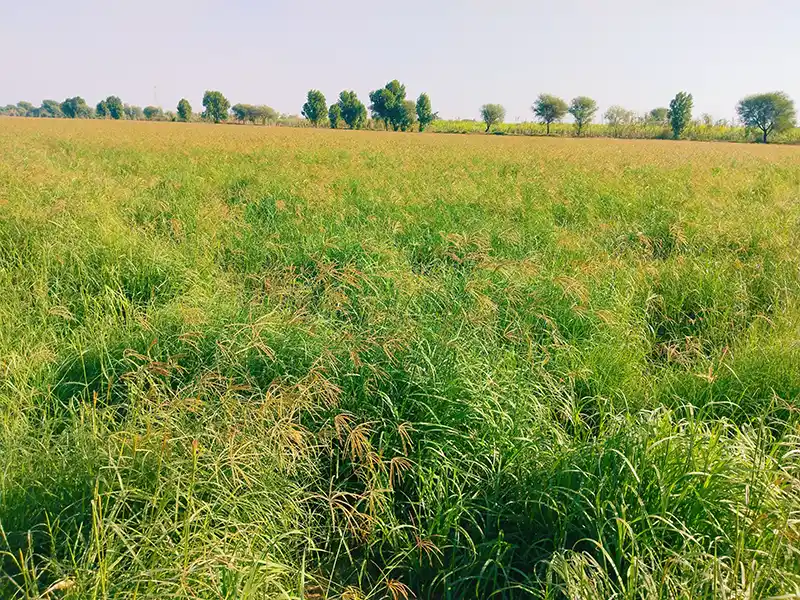
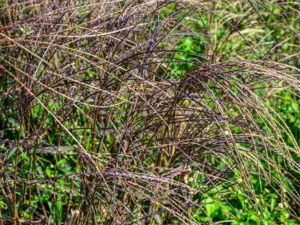
Fine leafy shoots rise above the spreading runners. Flowering stems carry the radiating, finger-like seed heads characteristic of Rhodes grass.
Where to Grow Reclaimer Rhodes Grass
- Suitable permanent grazing paddocks.
- Managed hay and silage areas.
- Assessed salt-affected pasture sites.
- Agricultural ground-cover and erosion-control plantings.
When to Sow Reclaimer Rhodes Grass Seeds in Australia
Use these periods as an indicative guide. Final timing should reflect local soil warmth, rainfall and the opportunity for establishment before cold weather.
| Climate Zone | Sowing Guide | Growing Notes |
|---|---|---|
| Cool | Assess local suitability first | Short summers can limit growth and establishment. |
| Temperate | Spring to early summer in suitable districts | Wait for warming soil and provide reliable moisture. |
| Subtropical | Spring or late summer where locally suitable | Allow adequate growth before frost. |
| Tropical | Early wet season | Avoid sowing immediately before scouring rain. |
| Arid / Semi-arid | Warm conditions with sufficient water | Confirm establishment and ongoing moisture supply. |
Tips for Growing Reclaimer Rhodes Grass Successfully
- Check batch germination and purity results.
- Match sowing rates to seed coating and quality.
- Monitor weeds and seedling moisture.
- Use soil testing to guide nutrition.
- Review pasture recovery before grazing again.
Frequently Asked Questions
Is Reclaimer Rhodes Grass Australian native?
No. Reclaimer is a cultivar of the introduced species Chloris gayana.
Does Reclaimer spread by runners?
Yes. Its stolons root at nodes and help established stands develop ground cover.
Is Reclaimer suitable for salty soil?
It was selected for increased salt tolerance, but suitability depends on salinity, drainage and establishment conditions.
What sowing rate should I use?
Use a recommendation matched to the supplied seed, paddock and intended mix. Coated and bare seed rates are not interchangeable.
Does Reclaimer stay green through winter?
Growth slows in cold conditions, and frost can damage the foliage.
Grow Reclaimer Rhodes Grass from Seed
Choose a suitable site, prepare thoroughly and provide reliable establishment moisture. Manage the developing pasture according to plant growth and seasonal conditions.
Reviews
There are no reviews yet.