
Seablite Seeds – Suaeda australis
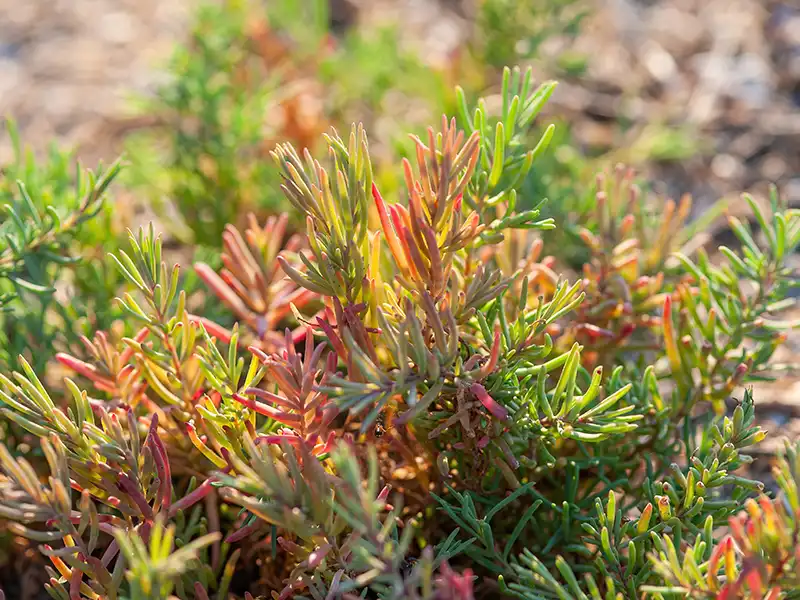
Grow an Australian native succulent perennial with fleshy foliage, edible tender tips and a natural affinity for coastal saltmarsh environments. Seablite (Suaeda australis) forms a spreading, branching plant with narrow succulent leaves and small, inconspicuous flowers.
Also known as Austral Seablite or Southern Seablite, this species occurs naturally along coastal and estuarine shorelines. It is useful for edible native gardens, containers and locally appropriate saltmarsh revegetation projects.
Seablite Seed Details
| Botanical name | Suaeda australis |
|---|---|
| Common names | Seablite, Austral Seablite, Southern Seablite |
| Family | Amaranthaceae; traditionally classified in Chenopodiaceae |
| Plant type | Australian native succulent perennial herb or low shrub |
| Growth habit | Rounded to spreading, branching from the base |
| Approximate height | Often approximately 20–50 cm; can approach 1 m depending on form and conditions |
| Foliage | Narrow, fleshy green to blue-green leaves, sometimes developing reddish tones |
| Flowers | Small flowers in leaf axils or short terminal flower clusters |
| Flowering period | Varies with region and seasonal conditions; flowering and fruiting can occur across much of the year |
| Position | Full sun to part shade |
| Soil | Prefers moist conditions; can grow in suitable sandy, loamy or clay soils and tolerates salinity |
| Seeds per gram | To be confirmed for the supplied seed lot |
| Uses | Edible native gardens, containers, coastal landscapes and suitable saltmarsh restoration projects |
Why Grow Seablite?
- Australian native perennial with distinctive succulent foliage.
- Edible leaves and tender tips with a naturally salty flavour.
- Suitable for containers and edible native gardens.
- Naturally associated with coastal saltmarsh habitats.
- Tolerates saline growing conditions.
- Useful for locally appropriate coastal revegetation.
How to Grow Seablite from Seed
Seablite has been successfully raised from seed in saltmarsh restoration trials. The following steps provide general nursery guidance; follow any additional instructions supplied with your seed lot.
- Prepare the growing medium. Use clean trays or small pots with a fine seed-raising mix that retains moisture while allowing drainage.
- Sow shallowly. Scatter seed over the moist surface and gently press it into contact with the medium. Avoid deep burial.
- Water gently. Use a fine spray or careful bottom watering to avoid washing seed away.
- Maintain moisture. Keep the sowing surface consistently moist and allow excess irrigation water to drain.
- Provide protected conditions. Place containers in good light, sheltered from excessive heat, severe weather and drying winds.
- Allow time for germination. Emergence can occur over several weeks and varies with seed quality and conditions.
- Transplant established seedlings. Pot seedlings individually once large enough to handle and gradually acclimatise them before outdoor planting.
Seablite for Gardens and Containers
Seablite provides fleshy foliage and a branching form in native edible gardens. Containers offer a practical way to manage watering and allow easy access to tender shoots.
Water regularly during hot weather. Although naturally found in saline habitats, Seablite can also grow in garden soil without high salinity.
Seablite for Saltmarsh Revegetation
Seablite can be incorporated into suitable coastal and estuarine restoration plantings alongside other locally occurring saltmarsh species.
Match seed provenance to the project and assess salinity, inundation and site elevation before planting. Nursery establishment and field establishment require different management, particularly where tides can displace newly sown seed.
Flowers and Foliage
The narrow succulent leaves are Seablite’s main ornamental feature. Foliage colour varies from green to blue-green, sometimes with reddish tones.
Small flowers occur close to the stems or in short terminal clusters. Flowering dates vary between regions, so a single nationwide flowering season is not reliable.
Harvesting Seablite
Harvest small amounts of tender new tips once plants are established. The edible leaves can be used fresh in salads, cooked as a vegetable or pickled. Leave sufficient growth on each plant to support continued development.
Where to Grow Seablite
- Edible Australian native gardens.
- Containers with reliable watering.
- Suitable coastal garden beds.
- Locally appropriate saltmarsh habitat plantings.
- Coastal restoration projects matched to site conditions.
When to Sow Seablite Seeds in Australia
These are general nursery planning guides rather than fixed species-specific dates. Choose mild conditions with reliable moisture and protection for emerging seedlings.
| Climate Zone | Suitable Sowing Period | Growing Notes |
|---|---|---|
| Cool | Spring to early summer under protected conditions | Shelter emerging seedlings from frost and severe weather. |
| Temperate | Spring or mild early autumn | Maintain surface moisture and avoid temperature extremes. |
| Subtropical | Mild to warm periods under managed conditions | Protect trays from intense heat and drying winds. |
| Tropical | Suitable periods under controlled nursery conditions | Use suitable provenance and protect surface-sown seed from heavy rain. |
| Arid / Semi-arid | Mild periods with dependable irrigation, where suitable | Assess long-term moisture availability and arrange establishment watering. |
Tips for Growing Seablite Successfully
- Sow shallowly and use gentle watering.
- Maintain consistent moisture during emergence.
- Water established garden plants during hot, dry weather.
- Allow seedlings to establish before harvesting tips.
- Use locally appropriate provenance for ecological restoration.
Frequently Asked Questions
What is Seablite?
Seablite is Suaeda australis, an Australian native succulent perennial associated with coastal and estuarine habitats.
Is Seablite the same as Samphire?
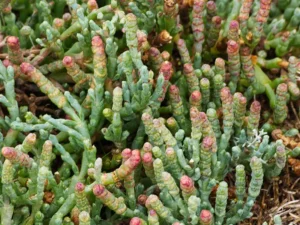
They are different plants. Seablite has distinct narrow leaves, while Beaded Samphire has fleshy, jointed stems with greatly reduced leaves.
Can Seablite grow in containers?
Yes. Provide adequate light, room for branching growth and regular watering.
Does Seablite require salty soil?
No. It tolerates saline conditions but can also grow in suitable garden soils without high salinity.
How tall does Seablite grow?
Garden plants often reach approximately 20–50 cm, although larger forms can approach 1 m.
Can Seablite be used for revegetation?
Yes, in suitable saltmarsh and coastal environments where the species and provenance match the site.
Grow Seablite from Seed
With its succulent foliage, edible tender tips and tolerance of saline conditions, Suaeda australis is a useful native species for edible gardens and suitable coastal restoration projects.
Sow shallowly, maintain reliable moisture and allow seedlings to establish before planting into their permanent position.
Reviews
There are no reviews yet.