
Red Ash Seeds
Grow a fast-growing Australian native tree suited to spacious gardens, shade plantings and locally appropriate revegetation. Red Ash (Alphitonia excelsa) develops an attractive branching canopy with green leaves and contrasting pale, hairy undersides.
Also known as Soap Tree and Leatherjacket, this species occurs naturally in parts of New South Wales, Queensland, the Northern Territory and Western Australia. Its mature size makes it best suited to sites with room for a substantial tree.
Red Ash Seed Details
| Botanical name | Alphitonia excelsa |
|---|---|
| Common names | Red Ash, Soap Tree, Leatherjacket, Coopers Wood |
| Family | Rhamnaceae |
| Plant type | Australian native perennial tree; can become semi-deciduous in cooler conditions |
| Growth habit | Upright tree developing a spreading, leafy canopy |
| Approximate height | Can reach approximately 25 m; size varies with climate and site conditions |
| Foliage | Alternate green leaves with pale to rusty, finely hairy undersides |
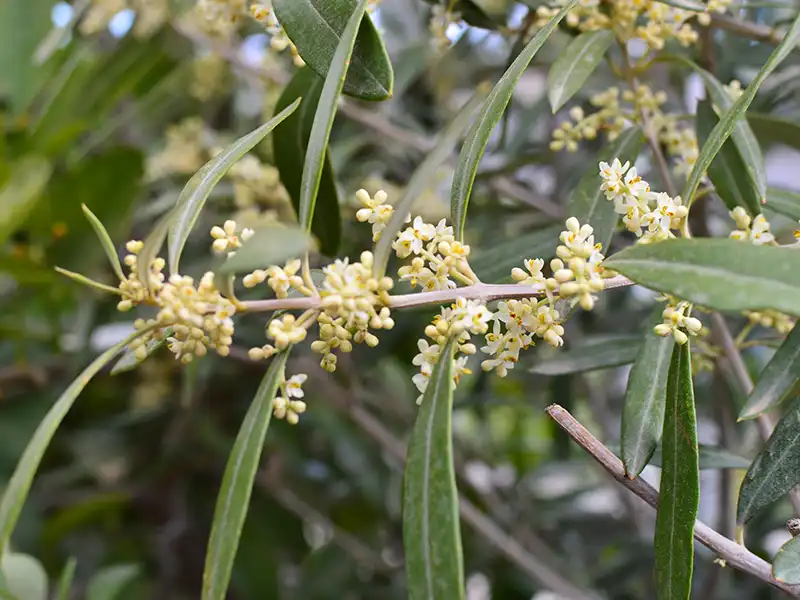
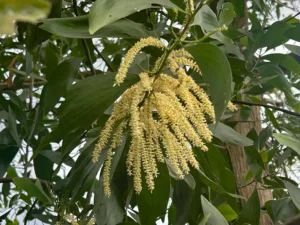
| Flowers and fruit | Clusters of small cream flowers followed by dark, rounded fruit |
| Flowering period | Timing varies with location; flowering is reported during autumn and early winter |
| Position | Sun to part shade |
| Soil | Adaptable to varied soil types; choose a well-drained planting position |
| Seeds per gram | Approximately 20 |
| Uses | Shade trees, spacious native gardens, landscape plantings and suitable revegetation projects |
Why Grow Red Ash?
- Comparatively fast-growing native tree.
- Develops a canopy suitable for shade in spacious landscapes.
- Attractive foliage with contrasting pale leaf undersides.
- Occurs naturally across a range of forest habitats and soils.
- Can form part of locally appropriate mixed native revegetation.
How to Grow Red Ash from Seed
Red Ash can be propagated from seed, although germination results vary. Cleaning the seed and applying a suitable hot-water soak has produced successful results in native nursery trials.
- Check the supplied seed. If fruit material or the coloured aril remains attached, remove it carefully before treatment.
- Pretreat where recommended. Follow your supplier’s instructions. One reported method is to pour hot water over cleaned seed and leave it soaking as the water cools for 24 hours. Do not keep the seed boiling.
- Prepare the growing medium. Use clean, free-draining seed-raising mix in trays, tubes or small pots.
- Sow and cover lightly. Place seed into the mix and cover with a thin layer of fine growing medium.
- Maintain moisture. Water gently and keep the mix moist without prolonged waterlogging.
- Provide protected growing conditions. Keep trays warm and sheltered, with good light. Allow time for uneven emergence.
- Plant out established seedlings. Harden plants gradually and transplant before their roots become crowded or distorted.
Red Ash for Landscaping
Red Ash is best placed where its canopy can develop freely. Plan the planting position around the mature tree, leaving suitable clearance from buildings, overhead services and other trees.
Use it as a long-term shade feature or as part of a larger native planting. Allow access for watering and maintenance while the tree establishes.
Red Ash for Revegetation
Include Red Ash where it is appropriate to the local vegetation community and project objectives. Confirm seed provenance requirements before ordering for restoration or rehabilitation work.
Prepare planting areas, manage competing weeds and monitor young trees after planting. Plan watering around rainfall and soil moisture rather than relying on a fixed schedule.
Flowers and Foliage
Clusters of small cream flowers are followed by dark fruit. Flowering dates vary between regions, so seasonal displays should be expected to follow local conditions.
The pale undersides of the leaves contrast with their green upper surfaces. In cooler climates, seasonal leaf loss can make the canopy more open during winter.
Where to Grow Red Ash
- Spacious Australian native gardens.
- Large landscape beds and shade plantings.
- Mixed native tree and shrub plantings.
- Suitable forest restoration sites.
- Revegetation projects within its appropriate local range.
When to Sow Red Ash Seeds in Australia
These are general nursery establishment guides rather than fixed species-specific sowing dates. Choose conditions that allow warmth, moisture and protection for young seedlings.
| Climate Zone | Suitable Sowing Period | Growing Notes |
|---|---|---|
| Cool | Spring to early summer under protected conditions | Check local suitability and protect young seedlings from frost. |
| Temperate | Spring to early summer | Provide warmth and maintain moisture during emergence. |
| Subtropical | Warm periods with manageable temperatures | Shelter trays from excessive heat and drying winds. |
| Tropical | Suitable periods with controlled nursery conditions | Protect trays from heavy rain and maintain drainage. |
| Arid / Semi-arid | Mild, warm periods with reliable irrigation, where suitable | Confirm site suitability and plan ongoing establishment watering. |
Tips for Growing Red Ash Successfully
- Follow seed-lot instructions for cleaning and pretreatment.
- Label trays with the sowing date and treatment used.
- Maintain moisture while keeping drainage holes clear.
- Allow time for variable germination.
- Harden seedlings before moving them into exposed positions.
- Keep mulch clear of young trunks.
- Choose the final planting position with mature tree size in mind.
Frequently Asked Questions
What is Red Ash?
Red Ash is the Australian native tree Alphitonia excelsa, belonging to the Rhamnaceae family.
How tall does Red Ash grow?
It can reach approximately 25 m, although trees may remain smaller in less favourable conditions.
Is Red Ash fast growing?
It is considered comparatively fast growing when conditions support healthy establishment.
Does Red Ash seed need pretreatment?
A hot-water soak can assist propagation. Follow the instructions for your seed lot and trial a small batch when planning larger sowings.
Is Red Ash suitable for a small garden?
Its potential size makes it better suited to spacious sites. Check available canopy space before planting.
Can Red Ash lose leaves in winter?
Yes. It can become semi-deciduous in cooler conditions.
Grow Red Ash from Seed
Establish Red Ash for lasting shade and native landscape structure. Prepare seed carefully, maintain suitable propagation conditions and plant seedlings into a well-chosen position with room to mature.
Reviews
There are no reviews yet.