
Squash Sunburst F1 Vegetable Seeds
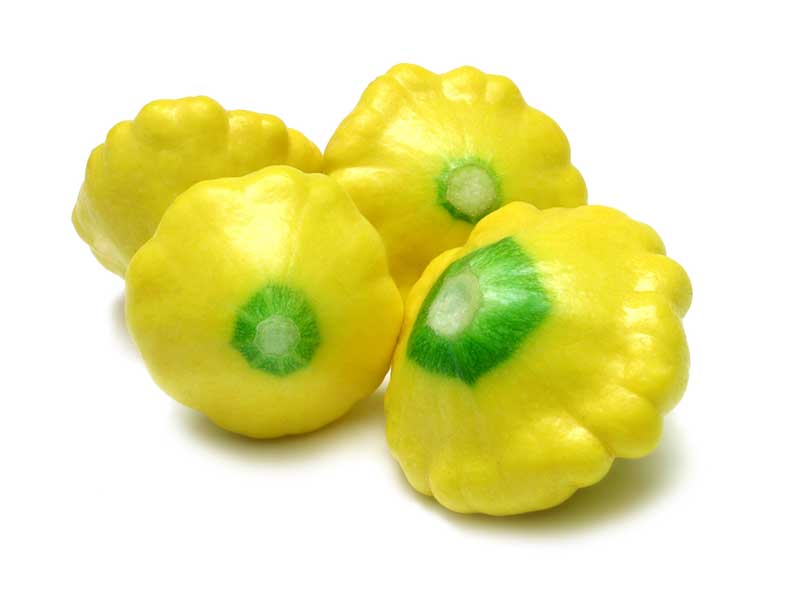
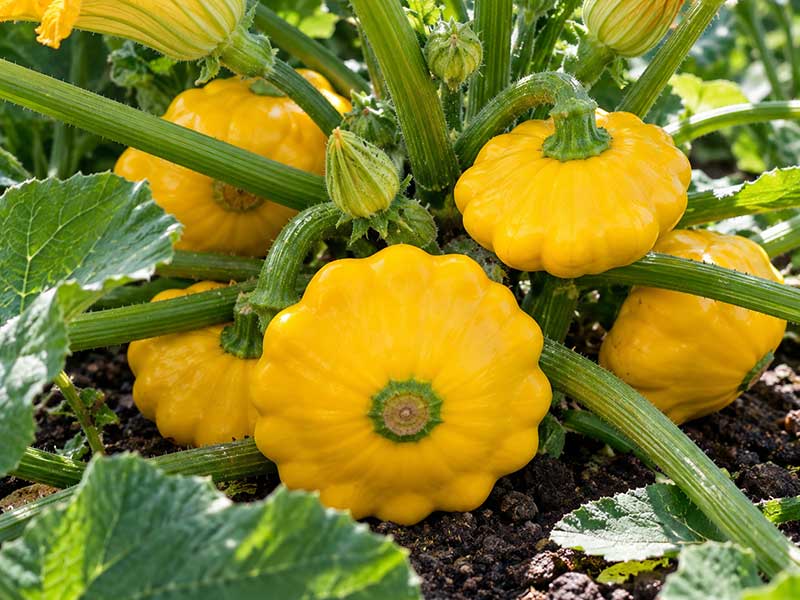
Grow attractive golden-yellow scallop squash with a flattened shape, scalloped edges and excellent flavour when harvested young. Sunburst F1 (Cucurbita pepo) is a hybrid summer squash producing distinctive golden-yellow fruit on productive bush plants.
Sunburst develops flattened, pattypan-style fruit with pronounced scalloped edges. For the best flavour and tender eating quality, harvest the young fruit at approximately 6–8 cm in diameter.
The bush growth habit makes Sunburst well suited to vegetable gardens and growing areas where there is plenty of sunlight, fertile soil and sufficient room for the plants to develop.
Sunburst F1 Squash Seed Details
| Botanical name | Cucurbita pepo |
|---|---|
| Variety | Sunburst F1 |
| Seed type | F1 hybrid |
| Seed treatment | Fungicide treated |
| Plant type | Warm-season, frost-tender annual summer squash |
| Growth habit | Bush |
| Fruit colour | Golden yellow |
| Fruit shape | Flattened fruit with scalloped edges |
| Recommended harvest size | Approximately 6–8 cm diameter for best flavour |
| Position | Full sun |
| Sowing depth | Approximately 15–20 mm |
| Germination | Approximately 7–10 days under suitable warm conditions |
| Germination soil temperature | Approximately 21–35°C |
| Plant spacing | Approximately 1 metre |
Why Grow Sunburst F1 Squash?
- Attractive golden-yellow summer squash.
- Distinctive flattened fruit with scalloped edges.
- F1 hybrid variety.
- Bush plant habit rather than a long trailing vine.
- Best flavour when fruit is harvested young at approximately 6–8 cm diameter.
- Young fruit can be cooked whole or sliced and prepared similarly to zucchini.
- Suitable for grilling, roasting, sautéing, stir-fries, stuffing and other summer dishes.
- Distinctive shape and golden colour provide an attractive addition to the summer vegetable harvest.
How to Grow Sunburst F1 Squash from Seed
Sunburst is a warm-season summer squash that grows rapidly once soil temperatures are warm. Like zucchini and other summer squash, it performs best in full sun with fertile, well-drained soil and consistent moisture.
- Choose a warm, sunny position.
Select a growing area receiving full sun. Allow sufficient room for the bush plants to develop without crowding neighbouring crops. - Prepare fertile, well-drained soil.
Incorporate compost or well-rotted organic matter before sowing where required. Squash is a relatively heavy-feeding crop and performs best in fertile soil with good drainage. - Sow the seeds.
Sow Sunburst seeds approximately 15–20 mm deep. Seeds can be sown directly into their final position once the soil is warm or started in individual pots for later transplanting. Please note that Sunburst F1 seed is fungicide treated and is intended for planting only. - Keep the soil warm and moist.
Squash seed germinates best in warm soil. Keep the soil evenly moist during germination but avoid cold, saturated conditions that can cause seed to rot. - Space plants correctly.
Allow approximately 1 metre between established plants to provide sufficient space for leaf development, airflow and fruit production. - Water consistently.
Maintain reasonably even soil moisture, particularly while plants are flowering and producing fruit. Water around the base of the plants where practical rather than repeatedly wetting the foliage. - Watch for developing fruit.
Once plants begin producing, check them frequently. Summer squash can increase in size rapidly during warm weather. - Harvest young and regularly.
For the best flavour and eating quality, harvest Sunburst squash at approximately 6–8 cm in diameter. Regular picking also prevents fruit from becoming oversized.
When to Plant Sunburst Squash in Australia
Sunburst is frost tender and requires warm soil for reliable germination and vigorous growth. Planting times therefore vary considerably across Australia’s climate zones.
| Climate | General Sowing Guide |
|---|---|
| Tropical | Best grown through the drier part of the year; avoid periods of excessive humidity and prolonged heavy rain |
| Subtropical | Late winter through summer where conditions are warm and frost-free; avoid the most humid periods where disease pressure is high |
| Temperate | Spring to early summer after frost danger has passed and the soil has warmed |
| Cool / frost-prone | Spring to early summer; start indoors if necessary and transplant after the final frost once soil and air temperatures are warm |
For best results, use soil temperature and frost risk as the main planting guide. Squash seed germinates poorly in cold, wet soil and plants are readily damaged by frost.
When to Harvest Sunburst Squash
Sunburst is a summer squash intended to be harvested while the fruit is young and tender.
For the best flavour, harvest Sunburst at approximately 6–8 cm diameter. At this stage, the attractive golden-yellow fruit is suitable for cooking whole, halving or slicing.
Inspect plants frequently once they begin cropping because summer squash can increase in size quickly during warm growing conditions.
Use a clean knife or secateurs to remove fruit rather than pulling heavily on the plant.
Regular picking also helps prevent fruit from becoming oversized and keeps young squash coming through while the plants remain productive.
How to Use Sunburst Squash
Sunburst can be prepared in much the same way as zucchini and other tender summer squash. Its unusual scalloped shape and golden-yellow colour are particularly attractive when the fruit is harvested young.
- Sautéing: Slice or halve young squash and cook quickly with olive oil, butter, garlic or fresh herbs.
- Grilling: Halve the fruit and grill until tender.
- Roasting: Small Sunburst squash can be roasted whole or halved.
- Stir-fries: Slice young fruit and cook quickly with other vegetables.
- Whole baby squash: Young 6–8 cm fruit can be cooked whole or halved for an attractive presentation.
- Stuffing: Larger fruit can be hollowed and filled before baking.
Is Sunburst a Bush Squash?
Yes. Sunburst has a bush plant habit rather than producing the long running vines typical of many pumpkins and winter squash.
The plants still develop substantial foliage and require adequate growing space. Approximately 1 metre between plants provides a practical starting point for garden planting.
The bush habit also makes developing fruit relatively easy to locate and harvest around the plant.
Pollinating Sunburst Squash
Sunburst squash plants produce separate male and female flowers on the same plant. Pollen must be transferred from a male flower to a female flower for fruit to develop normally.
Bees and other visiting insects usually perform this task. It is normal for squash plants to initially produce a number of male flowers before female flowers become more common.
Poor pollination can cause very young fruit to stop developing, yellow and drop from the plant. Where natural pollinator activity is limited, flowers can also be hand-pollinated by transferring pollen from a freshly opened male flower to the centre of an open female flower.
Growing Sunburst Squash in Containers
Sunburst has a bush habit, but it is still a vigorous summer squash with a substantial root system and large leaves.
Container growing is possible where a large pot or planter can be provided. Use a fertile, free-draining growing medium and choose a container with generous drainage holes.
Position the container in full sun and monitor moisture carefully. Large squash plants can use considerable amounts of water during hot weather and while fruit is developing.
Avoid allowing containers to remain permanently saturated, as squash performs best with consistent moisture combined with good drainage.
Frequently Asked Questions
What is Sunburst squash?
Sunburst F1 is a hybrid summer squash producing distinctive golden-yellow, flattened fruit with scalloped edges on bush plants.
Is Sunburst a pattypan squash?
Yes. Sunburst is a scallop or pattypan-type summer squash characterised by its flattened fruit and scalloped margins.
What colour is Sunburst squash?
Sunburst produces golden-yellow fruit.
What size should Sunburst squash be harvested?
For the best flavour, harvest Sunburst at approximately 6–8 cm diameter.
Is Sunburst an F1 hybrid?
Yes. Sunburst is an F1 hybrid squash variety.
Are Sunburst F1 squash seeds fungicide treated?
Yes. Sunburst F1 seeds are fungicide treated. Treated seed is intended for planting only and should not be used for food, feed or sprouting.
Is Sunburst a bush or vine squash?
Sunburst has a bush plant habit rather than producing the long trailing vines associated with many pumpkins and winter squash.
How deep should Sunburst squash seeds be planted?
Sow seeds approximately 15–20 mm deep in warm, moist, well-drained soil.
How long does Sunburst take to germinate?
Under suitable warm conditions, squash seed typically germinates in approximately 7–10 days.
What temperature does Sunburst need for germination?
Warm soil is important for reliable squash germination. Approximately 21–35°C provides a practical germination range. Avoid sowing into cold, saturated soil.
How far apart should Sunburst plants be spaced?
Approximately 1 metre between plants provides adequate room for the bush plants to develop and helps maintain airflow.
Does Sunburst squash need full sun?
Yes. Grow Sunburst in full sun with fertile, well-drained soil and consistent moisture.
Can Sunburst squash be grown in pots?
Yes, but use a large container because squash plants develop substantial foliage and roots. Ensure good drainage, fertile growing medium and consistent watering.
Why is my Sunburst squash flowering but not producing fruit?
Squash plants commonly produce male flowers before female flowers appear. Poor pollination can also prevent fruit development. Encourage pollinating insects or hand-pollinate flowers where necessary.
Where can I buy Sunburst F1 squash seeds in Australia?
Seedmart supplies Sunburst F1 vegetable seeds for Australian home gardeners and growers. This hybrid bush squash produces attractive golden-yellow scalloped fruit that is best harvested young at approximately 6–8 cm diameter.
Reviews
There are no reviews yet.