
Dill Bouquet Microgreen Seeds
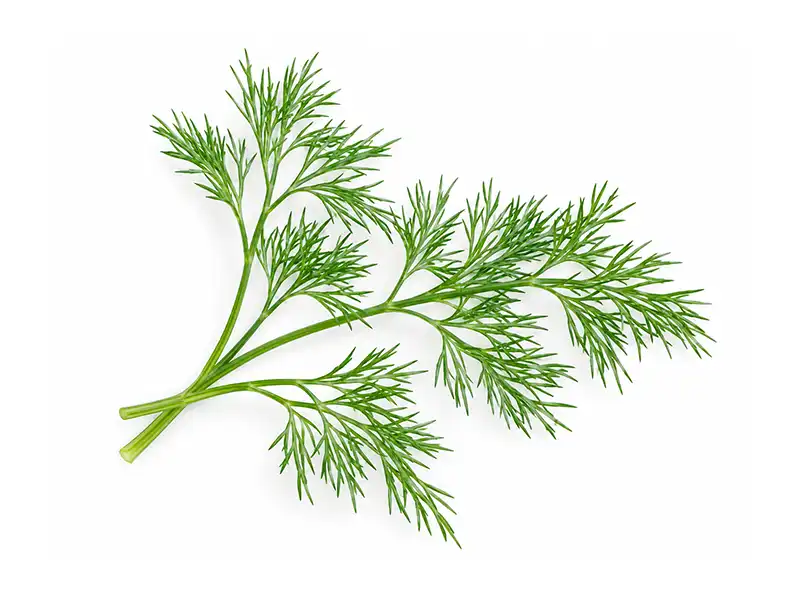
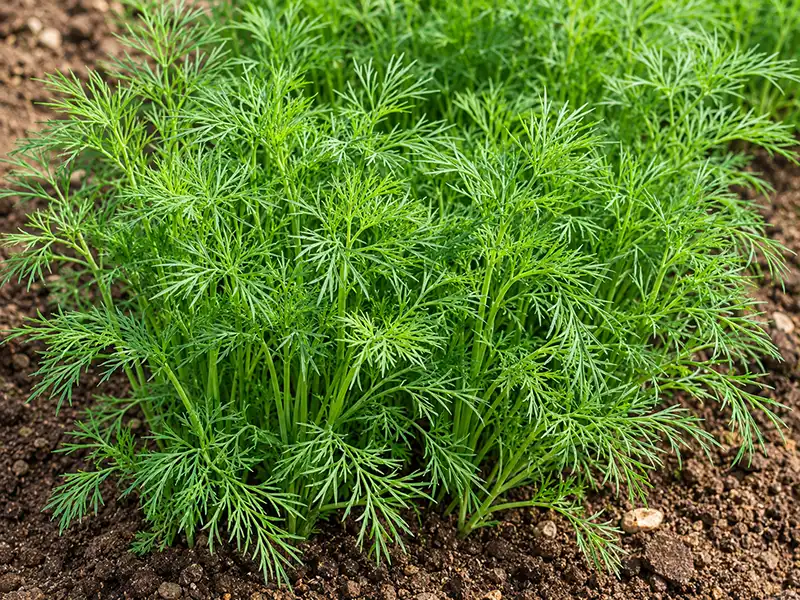
Grow fresh, aromatic dill microgreens with delicate green foliage and the distinctive flavour of fresh dill. Dill microgreen seeds produce fine, feathery shoots with a fresh herbal flavour that pairs particularly well with fish, potatoes, eggs, salads and savoury dishes.
Dill (Anethum graveolens) is an annual culinary herb belonging to the Apiaceae family. When grown as a microgreen, dill develops slender stems and finely textured green foliage with the familiar dill aroma and flavour in a compact young crop.
Dill microgreens grow more slowly than many brassica microgreens, but their attractive appearance and distinctive flavour make them particularly useful for chefs, restaurants, home cooks and specialist microgreen growers.
Seedmart dill microgreen seeds are supplied as untreated seed for growing purposes and are available in packet and bulk quantities for home and commercial growers.
Dill Microgreen Seed Details
| Botanical name | Anethum graveolens |
|---|---|
| Variety | Dill |
| Seed type | Open-pollinated |
| Seed treatment | Untreated |
| Pre-soak | Not required |
| Growing medium | Soil, seed-raising mix or suitable soilless medium |
| Germination | Approximately 7–14 days |
| Typical harvest | Approximately 16–25 days |
| Availability | Retail packets and bulk quantities |
Why Grow Dill Microgreens?
- Distinctive fresh dill flavour in a tender young microgreen.
- Fine, feathery green foliage ideal for edible garnishes.
- Suitable for fish, seafood, potatoes, eggs, salads and savoury dishes.
- Suitable for growing indoors throughout the year.
- Can be grown in shallow trays using soil or suitable soilless media.
- No seed pre-soaking required.
- Untreated, open-pollinated seed.
- Suitable for home and commercial microgreen production.
- Available in smaller packets and economical bulk quantities.
- Supplied by an Australian-owned seed company.
How to Grow Dill Microgreens
Dill microgreens are slower growing than many common microgreen varieties and do not require pre-soaking. Sow the seed directly onto a moist growing medium and maintain consistent moisture throughout germination.
- Prepare the growing tray.
Add approximately 3–4 cm of moist growing medium to a shallow tray and gently level the surface. Suitable media include quality soil, seed-raising mix or a suitable soilless growing medium. - Sow the dill seeds.
Spread the seed as evenly as possible across the surface. Aim for good coverage without allowing the seeds to pile heavily on top of one another. - Mist thoroughly.
Use a fine spray mister to moisten the seeds and growing surface evenly. - Maintain moisture during germination.
Keep the growing medium evenly moist without waterlogging it. Dill can take approximately 7–14 days to germinate under suitable conditions. - Introduce the seedlings to light.
Once the seedlings have emerged and established, move them into a position with suitable natural or artificial growing light. - Maintain good airflow.
Provide adequate ventilation around the crop and continue watering as required to keep the growing medium moist but not saturated. - Harvest the microgreens.
Dill microgreens are commonly ready to harvest approximately 16–25 days after sowing. Cut the stems cleanly just above the growing medium when they have reached the size and stage you prefer.
What Do Dill Microgreens Taste Like?
Dill microgreens have the distinctive aromatic flavour of fresh dill in a delicate young shoot. Their flavour is fresh and herbaceous with grassy, citrus-like notes and a subtle hint of anise.
The flavour pairs particularly well with fish, seafood, potatoes, eggs, cucumber, salads and creamy sauces. Because the young leaves are tender and finely textured, dill microgreens can also be used as an attractive edible garnish.
For the best flavour and appearance, dill microgreens are generally used fresh and added shortly before serving.
How to Use Dill Microgreens
Dill microgreens combine distinctive fresh flavour with fine, decorative foliage, making them particularly useful for both everyday meals and professional food presentation.
-
- Fish and seafood: Use as a fresh garnish with salmon, white fish, prawns and other seafood dishes.
- Potatoes: Add to potato salads, roasted potatoes and other potato dishes.
- Egg dishes: Sprinkle over scrambled eggs, omelettes and poached eggs.
- Salads: Add fresh dill microgreens to green, cucumber and potato salads.
- Sandwiches and wraps: Use for a fresh herbal flavour in savoury fillings.
- Soups: Scatter over soups immediately before serving.
- Sauces and dips: Use with yoghurt, sour cream and other savoury sauces or dips.
- Garnishes: Fine green foliage makes dill microgreens particularly attractive for plated dishes.
Dill’s delicate aromatic flavour is best preserved when the microgreens are used fresh or added towards the end of preparation rather than subjected to prolonged cooking.
Dill Microgreens vs Mature Dill
Dill microgreens and mature dill are produced from the same species, Anethum graveolens, but they are harvested at different stages and are grown and used differently.
| Feature | Dill Microgreens | Mature Dill |
|---|---|---|
| Typical harvest | Approximately 16–25 days | Harvested later once plants develop mature foliage |
| Growing method | Usually grown densely in a shallow tray | Usually grown as spaced plants in garden beds or containers |
| Growing medium | Commonly soil, seed-raising mix or suitable soilless medium | Generally grown in garden soil or potting mix |
| Harvested portion | Young stems and foliage are cut above the growing medium | Mature leaves and stems are harvested as a culinary herb |
Dill microgreens and mature dill are the same species (Anethum graveolens). The main difference is the stage of growth at harvest and the way the crop is produced and used.
Frequently Asked Questions
How long do dill microgreens take to grow?
Dill is a relatively slow-growing microgreen. Harvest is commonly approximately 16–25 days after sowing, although crop time varies according to temperature, light, moisture, seed lot and preferred harvest stage.
How long do dill seeds take to germinate?
Dill is slower to germinate than many common microgreen varieties. Germination may take approximately 7–14 days under suitable microgreen growing conditions, although individual seed lots and environmental conditions can affect emergence.
Do dill microgreen seeds need to be soaked?
No. Dill seeds do not normally require pre-soaking before sowing for microgreen production. They can be sown directly onto a moist growing medium.
What do dill microgreens taste like?
Dill microgreens have a fresh, aromatic dill flavour with herbaceous, grassy and citrus-like notes and a subtle hint of anise.
Can dill microgreens be grown indoors?
Yes. Dill microgreens can be grown indoors in shallow trays where suitable light, moisture, temperature and airflow can be maintained.
What growing medium is suitable for dill microgreens?
Dill microgreens can be grown in quality soil, seed-raising mix or a suitable soilless growing medium. The medium should hold sufficient moisture for germination while allowing appropriate drainage and airflow.
Do dill microgreens need light?
Once dill seedlings have emerged, they require suitable natural or artificial growing light to develop healthy green foliage. Good airflow is also important when microgreens are grown densely indoors.
When should dill microgreens be harvested?
Dill microgreens are commonly harvested approximately 16–25 days after sowing. Harvest when the young plants have developed attractive green foliage and reached the size and flavour you prefer.
How do you harvest dill microgreens?
Use clean scissors or a suitable harvesting knife to cut the young dill stems just above the growing medium. Handle the delicate foliage carefully after harvesting.
How do you use dill microgreens?
Dill microgreens can be used fresh with fish, seafood, eggs, potatoes, salads, cucumber dishes, sauces and dips. They are also particularly useful as an edible garnish.
Are dill microgreens the same as dill?
Yes. Dill microgreens and mature culinary dill are both Anethum graveolens. Microgreens are simply harvested at a much younger stage of plant development.
Are dill microgreens suitable for chefs and restaurants?
Yes. Their fine foliage, distinctive dill flavour and attractive appearance make them particularly useful for culinary garnishing and professional food presentation.
Where can I buy dill microgreen seeds in Australia?
Seedmart supplies untreated dill microgreen seeds in packet and bulk quantities for home growers, chefs, restaurants, microgreen growers and commercial customers throughout Australia.
Need More Help Growing Dill Bouquet Microgreens?
Growing your own Dill Bouquet microgreens? Follow our step-by-step guide to growing Dill Bouquet microgreens for advice on sowing, germination, watering, light and harvesting.
Reviews
There are no reviews yet.