
Cauliflower Snowball Early Vegetable Seeds
Botanical Name: Brassica oleracea Botrytis Group
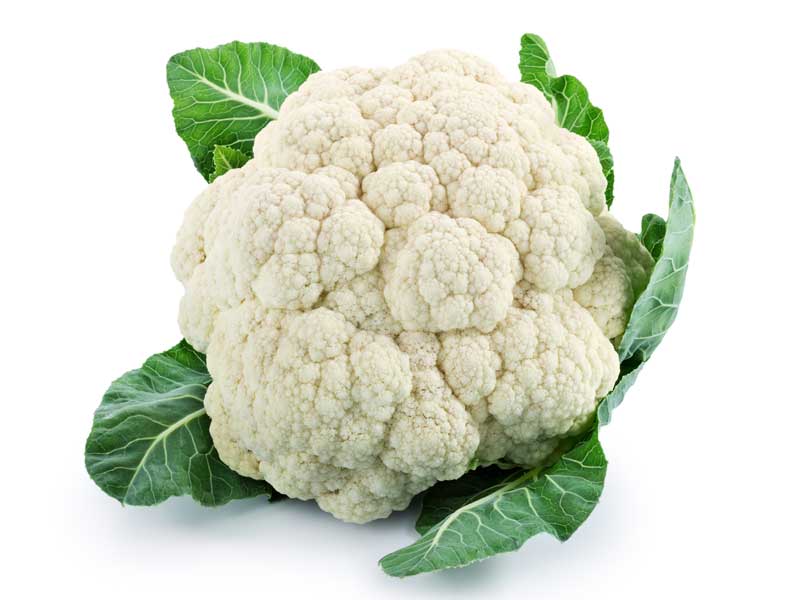
Snowball Early is a classic open-pollinated cauliflower variety producing compact, tightly formed white heads with a crisp, tender texture and mild traditional cauliflower flavour. An established favourite for home vegetable gardens, this early-maturing variety develops dense white curds approximately 13–15 cm across under suitable growing conditions.
The relatively compact plants produce broad protective leaves around the developing head and are particularly well suited to cool-season production. Snowball Early performs best when the head develops during mild to cool weather, making correct planting time particularly important in Australian conditions.
Excellent freshly harvested, Snowball Early cauliflower can be roasted, steamed, boiled, stir-fried, baked or eaten raw. The firm white florets are also suitable for freezing, making this a versatile heirloom-style vegetable for autumn, winter and cool-season gardens.
Key Attributes
Compact White HeadsProduces dense, tightly formed white cauliflower heads approximately 13–15 cm across under suitable growing conditions. |
Early MaturingAn established early cauliflower variety, commonly reaching harvest approximately 50–70 days from transplanting under favourable conditions. |
Open-Pollinated VarietyA traditional non-hybrid cauliflower suitable for gardeners who prefer established open-pollinated vegetable varieties. |
Cool-Season FavouritePerforms best when plants establish and heads mature during mild to cool conditions, producing firm, high-quality curds. |
Excellent Eating QualityCrisp, tender white florets with a mild traditional cauliflower flavour for fresh cooking, roasting and freezing. |
Compact Garden VarietyRelatively compact plants are well suited to home vegetable gardens, raised beds and intensive cool-season plantings. |
Product Description
Snowball Early is a traditional white cauliflower grown for its early maturity, compact growth and firm, tightly packed heads. It belongs to the Botrytis Group of Brassica oleracea, the same species that includes broccoli, cabbage, kale, Brussels sprouts and kohlrabi.
The plants develop broad green leaves surrounding a central white curd. As the plant reaches maturity, this curd enlarges into a dense head composed of tightly packed, undeveloped flower structures.
Under favourable conditions, Snowball Early produces compact white heads approximately 13–15 cm across. The curds are crisp and tender when harvested at the correct stage and have the mild, slightly sweet and savoury flavour characteristic of fresh cauliflower.
Snowball Early is valued for its comparatively quick maturity. Depending on climate, transplant age and growing conditions, heads may be ready approximately 50–70 days after transplanting. Seed-to-harvest time will naturally be longer because the initial seedling-production period must also be included.
Like most cauliflower varieties, Snowball Early performs best when growth is steady and temperatures remain relatively mild. Cauliflower is more sensitive to environmental stress than many other brassicas. Severe heat, drought, root disturbance, nutrient deficiencies or prolonged interruptions to growth can result in small heads, loose curds or premature head formation.
Correct seasonal timing is therefore particularly important.
In cool and temperate Australian climates, Snowball Early can be grown through the cooler months, with sowing dates adjusted so that head formation avoids periods of extreme heat.
In subtropical regions, concentrate production through autumn and winter. Results become less reliable in genuinely tropical lowland climates because consistently warm conditions can interfere with normal head development.
Snowball Early is open-pollinated rather than an F1 hybrid. This makes it particularly appealing to gardeners interested in traditional vegetable varieties and seed saving, although maintaining pure cauliflower seed requires considerable isolation from compatible flowering brassicas.
Why Grow Snowball Early Cauliflower?
- Classic early white cauliflower variety.
- Open-pollinated and non-hybrid.
- Produces compact, tightly formed white heads.
- Heads commonly reach approximately 13–15 cm across.
- Crisp, tender florets with traditional cauliflower flavour.
- Comparatively early maturity.
- Excellent cool-season vegetable.
- Relatively compact plants.
- Suitable for home vegetable gardens and raised beds.
- Excellent freshly harvested.
- Suitable for roasting, steaming, boiling and stir-frying.
- Can be eaten raw in salads and vegetable platters.
- Suitable for freezing.
- Good choice for gardeners seeking traditional open-pollinated vegetables.
- Suitable for successive cool-season plantings where conditions allow.
Plant Details
| Plant Type | Cool-season vegetable |
| Variety | Snowball Early |
| Botanical Name | Brassica oleracea Botrytis Group |
| Family | Brassicaceae |
| Seed Type | Open-pollinated, non-hybrid |
| Growth Habit | Compact to medium upright cauliflower plant |
| Approximate Height | Approximately 45–60 cm |
| Head Colour | White to creamy white |
| Head Size | Approximately 13–15 cm across under suitable conditions |
| Head Type | Dense, compact white curd |
| Days to Harvest | Approximately 50–70 days from transplanting under favourable conditions; seed-to-harvest time is longer |
| Position | Full sun |
| Life Cycle | Biennial botanically, normally grown as an annual vegetable crop |
Sowing Information
| Sowing Method | Raise in seedling trays, punnets or a seed bed; direct sowing is also possible |
| Sowing Depth | Approximately 5–10 mm |
| Germination | Usually approximately 4–10 days under suitable conditions |
| Germination Temperature | Approximately 8–25°C preferred; avoid excessively hot conditions |
| Transplanting | Transplant sturdy seedlings once several true leaves have developed |
| Plant Spacing | Approximately 45–60 cm |
| Row Spacing | Approximately 60–75 cm |
| Position | Full sun |
| Soil | Fertile, moisture-retentive and well drained; approximately pH 6.0–7.5 |
| Growing Season | Cool season; aim for head development during mild to cool weather |
When to Sow Snowball Early Cauliflower in Australia
| Climate Zone | Suggested Sowing Time | Growing Notes |
|---|---|---|
| Cool | October – February | Suitable for spring through summer sowing where heads can mature without prolonged extreme heat. Later crops can mature into autumn. |
| Temperate | December – May | Late-summer and autumn crops are generally reliable. Time planting so head formation occurs during cooler weather. |
| Subtropical | March – June | Grow primarily as an autumn and winter crop. Avoid having the developing heads exposed to prolonged hot weather. |
| Tropical | Coolest months only | Generally challenging in warm tropical lowlands. Trial during the coolest period or in elevated districts with lower temperatures. |
| Arid | Late summer – autumn | Time crops for cool-season head development and provide consistent irrigation. Protect young plants from extreme heat. |
These sowing periods are general guides. Local temperatures, frost dates, elevation and seasonal conditions should always be considered. Cauliflower is particularly sensitive to temperature during head formation, so local planting experience is valuable.
How to Grow Snowball Early Cauliflower
Choose a position receiving full sun and prepare the soil thoroughly before planting.
Cauliflower is a relatively demanding vegetable. Unlike crops that tolerate irregular growth, the best cauliflower heads develop when plants grow steadily from germination through to harvest.
Prepare fertile, well-drained soil containing adequate organic matter. Incorporate well-decomposed compost where required before planting.
Sow seed approximately 5–10 mm deep in seedling trays, punnets or a prepared seed bed.
Keep the growing medium consistently moist but not saturated.
Under suitable conditions, seedlings commonly begin emerging within approximately 4–10 days.
Once seedlings have developed several true leaves and are sturdy enough to handle, transplant them into their final growing position.
Space plants approximately 45–60 cm apart with approximately 60–75 cm between rows.
Water thoroughly immediately after transplanting.
Maintain regular soil moisture as the plants establish and grow. Avoid repeated cycles of severe drying followed by heavy watering.
As the plants mature, monitor the centre carefully for the first appearance of the developing white cauliflower head.
Once a visible curd begins enlarging, maintain reliable moisture and protect the head from excessive sunlight if the surrounding foliage does not naturally provide adequate cover.
Harvest while the head remains firm, compact and tightly formed.
Growing Cauliflower in Australian Conditions
The most important factor when growing cauliflower successfully in Australia is seasonal timing.
Cauliflower grows vegetatively before producing its edible central head. The plant must reach sufficient size while experiencing temperatures suitable for normal curd development.
If conditions become excessively hot during head formation, the curd can become loose, uneven or prematurely develop flowering structures.
Severe stress while plants are young can also cause premature formation of very small heads, sometimes referred to as buttoning.
For most Australian gardeners, Snowball Early should therefore be treated as a cool-season vegetable.
In cool districts, the planting window is relatively broad.
Temperate gardeners can generally produce reliable crops through autumn and into winter.
Subtropical gardeners should concentrate on autumn and winter production.
In tropical lowland conditions, reliable cauliflower production becomes considerably more difficult because temperatures may remain too high even during the nominal cool season.
Soil Preparation
Snowball Early performs best in fertile soil capable of maintaining steady plant growth.
Ideal soil is:
- Fertile
- Rich in organic matter
- Moisture retentive
- Well drained
- Approximately pH 6.0–7.5
- Free from severe compaction
Add well-decomposed compost or another suitable organic soil amendment where required.
Avoid planting into waterlogged areas.
Cauliflower belongs to the brassica family and can be affected by clubroot in contaminated soils. Appropriate crop rotation and soil management are important where this disease has previously occurred.
Transplanting Cauliflower Seedlings
Raising Snowball Early in seedling trays is a useful way to establish an even crop.
Seedlings should be transplanted while they are young and actively growing rather than left until they become root-bound.
Water seedlings before transplanting.
Plant firmly and water immediately afterwards.
Avoid unnecessary damage to the roots.
For several days after transplanting, ensure the young plants do not dry out, particularly during sunny or windy weather.
Transplant shock and interrupted growth can affect eventual head development, so the objective is to keep the transition from seedling tray to garden as smooth as possible.
Spacing Cauliflower Plants
Allow approximately 45–60 cm between plants.
Adequate spacing gives each plant room to develop its broad leaf canopy and central head.
Plants grown too closely together compete for:
- Light
- Water
- Nutrients
- Root space
Crowded crops may produce smaller heads and have reduced airflow.
For rows, approximately 60–75 cm is generally appropriate for garden production.
Watering Snowball Early Cauliflower
Consistent moisture is one of the keys to producing good cauliflower.
Avoid allowing plants to wilt severely.
The most important periods for reliable moisture include:
- Seed germination
- Seedling establishment
- Immediately after transplanting
- Rapid leaf development
- Head initiation
- Head enlargement
Water deeply enough to moisten the active root zone.
Mulching around established plants can help conserve moisture, suppress weeds and moderate soil temperature.
Avoid constantly saturated soil because waterlogged conditions can damage roots and encourage disease.
Feeding Cauliflower
Cauliflower is a relatively heavy-feeding vegetable.
Begin with fertile soil and adequate organic matter.
A suitable balanced vegetable fertiliser may be applied according to soil conditions and product directions.
Nitrogen supports vigorous leaf development, but nutrition should remain balanced. Excessive nitrogen without appropriate conditions can produce large vegetative plants without corresponding head quality.
Cauliflower also has particular requirements for micronutrients such as boron and molybdenum. Deficiencies can cause abnormal plant development, particularly in soils where these elements are unavailable.
Avoid applying micronutrients indiscriminately, as excessive quantities can also damage plants. Where a deficiency is suspected, soil testing or local agronomic advice is preferable.
Blanching Cauliflower Heads
Blanching in cauliflower production refers to protecting the developing white head from sunlight. It does not refer to cooking the vegetable in boiling water.
Snowball-type cauliflowers have foliage that can provide some natural protection, but head coverage can vary between individual plants and growing conditions.
Inspect the plants once the white curd becomes clearly visible.
If the head is exposed to direct sunlight, gently bring several large outer leaves over the curd.
The leaves can be loosely tied together above the head with soft twine, an elastic band or another suitable material.
Do not tie the leaves so tightly that airflow is completely restricted.
Check the head regularly after covering because it may enlarge rapidly.
Protecting the curd helps maintain a clean white to creamy-white colour.
Does Snowball Early Self-Blanch?
Snowball Early is often described as having good natural leaf coverage or self-blanching characteristics.
However, this should not be interpreted as meaning that every plant will completely cover its head under every growing condition.
Leaf coverage varies.
For the whitest possible curds, inspect developing heads and manually fold or tie leaves over any that remain exposed to strong sunlight.
This is particularly worthwhile in bright Australian conditions.
Why Does Cauliflower Need Cool Weather?
Cauliflower head formation is strongly influenced by temperature.
Plants need sufficient vegetative growth before head initiation, followed by suitable conditions for the curd to enlarge while remaining dense and compact.
Excessive heat can cause:
- Loose heads
- Uneven curds
- Premature flowering
- Reduced head quality
- Discolouration
This is why planting time is often more important with cauliflower than with easier brassicas such as kale.
Aim to have Snowball Early forming its head during mild to cool weather.
What Causes Small Cauliflower Heads?
Several factors can cause cauliflower plants to form undersized heads.
These include:
- Transplant shock
- Root-bound seedlings
- Drought stress
- Nutrient deficiencies
- Severe temperature fluctuations
- Planting at the wrong time
- Overcrowding
- Root damage
- Pest damage to young plants
Cauliflower performs best when growth remains steady.
A small head that forms prematurely is unlikely to become a large normal head later, so prevention through good crop management is preferable.
Common Cauliflower Pests
Snowball Early can be affected by many of the same pests as cabbage, broccoli and other brassicas.
Common pests include:
- Cabbage white butterfly caterpillars
- Cabbage moth larvae
- Aphids
- Slugs
- Snails
- Flea beetles
Inspect seedlings and mature plants regularly.
Caterpillars frequently hide on the undersides of leaves and may cause substantial damage before becoming obvious.
Fine insect netting can provide excellent physical protection against adult cabbage butterflies and moths.
Install netting before pests lay eggs and secure the edges carefully.
Protecting Cauliflower with Insect Netting
Fine horticultural insect netting is particularly useful for brassica crops.
Cover the plants after transplanting and ensure the netting does not contain large gaps.
Secure the edges at ground level.
The cover should provide enough space for plants to grow without becoming compressed.
Inspect plants periodically even when covered, as slugs, snails or insects already present inside the enclosure can still cause damage.
Netting can significantly reduce reliance on insecticide treatments in home gardens.
Crop Rotation
Snowball Early belongs to the Brassicaceae family.
Other commonly grown brassicas include:
- Broccoli
- Cabbage
- Brussels sprouts
- Kale
- Kohlrabi
- Turnips
- Radishes
- Many Asian greens
Avoid repeatedly growing brassicas in the same garden bed.
Crop rotation can help reduce the accumulation of some soil-borne pests and diseases and allows nutrient demands to be varied between crops.
Rotation becomes particularly important where clubroot has previously occurred.
Harvest
Snowball Early is an early cauliflower variety and may reach harvest approximately 50–70 days after transplanting under favourable conditions.
Actual timing varies according to:
- Temperature
- Season
- Seedling age
- Soil fertility
- Water availability
- Plant spacing
- Local growing conditions
Harvest when the head is firm, dense and tightly packed.
Do not wait for the curd to begin separating into loose individual florets.
Use a clean, sharp knife to cut the main stem below the head.
Leave several surrounding leaves attached if desired. These can help protect the head during handling and short-term storage.
Harvest during the cooler part of the day where practical.
Cool the harvested cauliflower promptly.
How to Tell When Snowball Early Cauliflower Is Ready
The ideal head should be:
- Firm
- Compact
- Tightly formed
- White to creamy white
- Approximately 13–15 cm across under good conditions
- Free from obvious separation or flowering
Once a cauliflower head reaches maturity, it can deteriorate relatively quickly.
Check developing plants frequently.
If the curd begins separating or becoming loose, harvest immediately rather than waiting for additional size.
Using Snowball Early Cauliflower
Snowball Early produces crisp, tender white florets suitable for a wide variety of recipes.
Fresh cauliflower may be used for:
- Roasting
- Steaming
- Boiling
- Stir-frying
- Curries
- Soups
- Gratins
- Cauliflower cheese
- Vegetable bakes
- Raw vegetable platters
- Salads
- Cauliflower rice
- Mashing
- Pickling
- Freezing
The leaves surrounding the head are also edible when tender and can be cooked similarly to other brassica greens.
Roasting Cauliflower
Roasting is particularly well suited to freshly harvested cauliflower.
Cut the head into evenly sized florets so they cook at a similar rate.
Roasting allows the outer surfaces to brown and caramelise while the interior becomes tender.
Cauliflower can be combined with herbs, spices, garlic, olive oil and other vegetables.
The central stem is also edible. Peel away any tough outer surface and cut the tender interior into pieces rather than discarding it.
Freezing Cauliflower
Snowball Early is suitable for freezing.
Choose fresh, firm heads and prepare them soon after harvest.
Remove leaves and damaged areas, then divide the head into evenly sized florets.
Wash thoroughly.
Blanch using an appropriate recognised food-preservation method, cool rapidly in iced water and drain thoroughly.
Pack into suitable freezer containers or bags and label with the variety and freezing date.
Blanching before freezing helps maintain colour, texture and eating quality.
Storing Fresh Cauliflower
For best quality, refrigerate cauliflower promptly after harvest.
Keep the head cool and avoid unnecessary handling.
Do not remove all protective leaves until required if the cauliflower is being stored for a short period.
Avoid allowing the head to remain wet during storage, as excess surface moisture can encourage deterioration.
Fresh home-grown cauliflower is generally at its best when used relatively soon after harvesting.
Open-Pollinated Variety
Snowball Early is an open-pollinated cauliflower rather than an F1 hybrid.
Open-pollinated varieties can be maintained through seed saving when appropriate selection and isolation practices are followed.
However, cauliflower seed saving is considerably more complicated than simply allowing one harvested plant to flower.
Cauliflower is botanically biennial and usually needs to pass through a cool period before producing flowers and seed.
It can also cross-pollinate with compatible forms of Brassica oleracea.
For gardeners primarily interested in vegetable production, purchasing fresh seed for each planting is generally the simplest approach.
Saving Snowball Early Cauliflower Seed
Seed saving is possible because Snowball Early is open-pollinated.
However, maintaining varietal purity requires careful management.
Cauliflower can cross with compatible flowering crops including many:
- Broccoli varieties
- Cabbages
- Brussels sprouts
- Kales
- Kohlrabi varieties
Plants intended for seed production must therefore be isolated appropriately from compatible flowering brassicas.
A reasonable number of plants should also be maintained to preserve genetic diversity within the variety.
For these reasons, cauliflower seed production is generally more suited to experienced seed savers than beginners.
Snowball Early vs F1 Hybrid Cauliflower
Snowball Early is a traditional open-pollinated variety.
Modern F1 cauliflower hybrids are frequently bred for highly uniform head maturity, improved field holding, specific seasonal adaptation and concentrated commercial harvest.
Snowball Early instead offers:
- Open-pollinated genetics
- Traditional variety characteristics
- Early maturity
- Compact white heads
- Suitability for home gardens
- Potential for seed saving under appropriate conditions
As an open-pollinated variety, individual plants may show somewhat more natural variation than highly uniform commercial F1 hybrids.
Perfect For
- Home vegetable gardens
- Cool-season vegetable production
- Autumn and winter gardens
- Traditional open-pollinated vegetables
- Raised garden beds
- Market gardens
- Compact white cauliflower heads
- Fresh cauliflower harvesting
- Roasting and steaming
- Cauliflower cheese and vegetable bakes
- Curries and stir-fries
- Raw vegetable platters
- Cauliflower rice
- Freezing and preserving
- Gardeners looking for an early cauliflower variety
Frequently Asked Questions
What is Snowball Early cauliflower?
Snowball Early is a traditional open-pollinated white cauliflower variety producing compact, tightly formed heads. It is valued for its comparatively early maturity and suitability for cool-season vegetable gardens.
What is the botanical name of Snowball Early cauliflower?
Cauliflower belongs to Brassica oleracea Botrytis Group. It is a member of the Brassicaceae family.
Is Snowball Early an heirloom cauliflower?
Snowball-type cauliflowers are long-established traditional varieties dating back well over a century. Snowball Early is commonly grown as an open-pollinated traditional cauliflower rather than a modern F1 hybrid.
Is Snowball Early an F1 hybrid?
No. Snowball Early is an open-pollinated, non-hybrid cauliflower variety.
How large does Snowball Early cauliflower grow?
Plants commonly reach approximately 45–60 cm high, while the central white heads are generally around 13–15 cm across under suitable conditions.
What colour is Snowball Early cauliflower?
The variety produces white to creamy-white heads. Protecting the developing curd from strong sunlight helps maintain its white colour.
How big are Snowball Early cauliflower heads?
Heads are typically approximately 13–15 cm across under suitable conditions. Actual size varies according to fertility, moisture, spacing, temperature and overall plant growth.
How long does Snowball Early cauliflower take to grow?
Snowball Early may reach harvest approximately 50–70 days after transplanting under favourable conditions. Seed-to-harvest time is longer because it includes the initial seedling-production period.
Why do different sources give different maturity times for Snowball Early?
Some maturity figures are measured from transplanting while others are measured from seed sowing. Temperature and growing conditions also have a substantial effect on cauliflower development, so published figures can vary considerably.
When should I plant Snowball Early cauliflower in Australia?
Planting time depends on climate. Cool districts have the broadest growing window, while temperate areas generally favour late-summer through autumn crops. In subtropical regions, grow primarily through autumn and winter.
Can Snowball Early cauliflower grow in Brisbane?
Yes, but seasonal timing is important. In Brisbane’s subtropical climate, sow through autumn so the plants develop their heads during the cooler winter period. Avoid attempting to mature the crop during hot summer conditions.
Can Snowball Early grow in tropical Australia?
It can be difficult in warm tropical lowlands because cauliflower requires suitable cool conditions for reliable head development. Elevated tropical districts and the coolest months offer the best opportunity.
Does cauliflower tolerate frost?
Established cauliflower plants tolerate cool conditions and light frost reasonably well, although severe frost can damage plants and developing heads.
Does Snowball Early need full sun?
Yes. Full sun is recommended for strong plant growth. In very warm climates, however, correct seasonal timing is more important than attempting to grow the crop through extreme summer heat.
What soil does cauliflower need?
Snowball Early performs best in fertile, well-drained soil containing adequate organic matter and reliable moisture. A pH around 6.0–7.5 is generally suitable.
Is cauliflower a heavy feeder?
Yes. Cauliflower requires relatively high fertility and consistent growth to produce good heads.
How deep should Snowball Early cauliflower seeds be planted?
Sow approximately 5–10 mm deep in seedling mix or prepared soil.
How long do cauliflower seeds take to germinate?
Snowball Early commonly germinates in approximately 4–10 days under favourable temperature and moisture conditions.
What temperature is best for cauliflower seed germination?
Snowball Early germinates across a range of cool to moderate temperatures, with approximately 8–25°C providing suitable conditions. Avoid excessively hot seed-raising conditions.
Should cauliflower be direct sown or transplanted?
Either method is possible, but raising seedlings in trays or punnets provides greater control over establishment and allows strong plants to be selected before transplanting.
When should cauliflower seedlings be transplanted?
Transplant once seedlings are sturdy and have developed several true leaves. Avoid allowing seedlings to become severely root-bound.
How far apart should Snowball Early cauliflower be planted?
Allow approximately 45–60 cm between plants and approximately 60–75 cm between rows.
Can Snowball Early cauliflower be grown in raised beds?
Yes. Raised beds are suitable provided they contain fertile soil, have adequate depth and receive consistent moisture.
Can cauliflower be grown in pots?
Yes, although use a large container for each plant. Cauliflower requires substantial root space, consistent moisture and good fertility to produce a useful head.
How often should cauliflower be watered?
Water according to soil and weather conditions rather than following a fixed schedule. Keep the root zone consistently moist without allowing it to remain waterlogged.
Why is consistent watering important for cauliflower?
Drought stress can interrupt plant growth and contribute to small or poor-quality heads. Cauliflower performs best when growth remains steady from transplanting through harvest.
Does Snowball Early need blanching?
The variety can provide some natural leaf coverage, but exposed heads may benefit from having outer leaves folded or loosely tied over the curd to protect it from direct sunlight.
What does blanching cauliflower mean?
In the garden, blanching means shielding the developing white cauliflower head from sunlight. This helps preserve the white colour. It is different from culinary blanching used when preparing vegetables for freezing.
When should I cover the cauliflower head?
Begin protecting the curd once a distinct white head becomes visible and starts enlarging, particularly if surrounding leaves are not naturally shading it.
How do I keep cauliflower heads white?
Gently fold several outer leaves over the developing head or loosely tie them together above it. Check the head regularly so it is harvested before becoming over-mature.
Why is my cauliflower turning yellow?
Sunlight can cause white cauliflower curds to develop cream or yellow colouring. Protecting the head with surrounding leaves helps preserve a whiter appearance.
Why is my cauliflower head small?
Small heads can result from plant stress, transplant shock, root-bound seedlings, poor fertility, drought, overcrowding, unsuitable temperatures or damage while the plant is young.
What is buttoning in cauliflower?
Buttoning is premature formation of a small cauliflower head before the plant has developed sufficient leaf growth. Stress, poor seedlings, unsuitable temperatures and interrupted growth can contribute to the problem.
Why is my cauliflower head loose?
Loose or separating curds can result from excessive heat, delayed harvesting, irregular growth or other environmental stress. Harvest once the head is firm and compact.
How do I know when Snowball Early cauliflower is ready?
Harvest when the head is firm, tightly packed and approximately 13–15 cm across. Do not wait until individual sections of the curd begin separating.
How do I harvest cauliflower?
Use a clean sharp knife to cut the stem below the head. Several surrounding leaves may be left attached to protect the harvested cauliflower.
Will cauliflower grow another main head after harvest?
No. Unlike some broccoli varieties that produce substantial side shoots, cauliflower is primarily harvested for one central head.
Can Snowball Early cauliflower be eaten raw?
Yes. Fresh florets can be eaten raw in salads, slaws and vegetable platters.
Can Snowball Early cauliflower be roasted?
Yes. Its compact white florets are excellent for roasting, where the outer surfaces brown while the centres become tender.
Can cauliflower be frozen?
Yes. Snowball Early is suitable for freezing. Divide the head into florets and use an appropriate blanching and freezing method.
Are cauliflower leaves edible?
Yes. Healthy tender cauliflower leaves are edible and may be cooked similarly to cabbage, kale and other brassica greens.
Is the cauliflower stem edible?
Yes. The central stalk is edible. Peel away any particularly tough exterior and cook the tender interior with the florets.
What pests attack Snowball Early cauliflower?
Common pests include cabbage white butterfly caterpillars, cabbage moth larvae, aphids, slugs and snails.
Can I use insect netting over cauliflower?
Yes. Fine insect netting is an effective physical barrier against cabbage butterflies and moths when installed before the insects lay eggs and secured around the edges.
Should cauliflower be crop rotated?
Yes. Avoid repeatedly growing cauliflower and other brassicas in the same bed. Crop rotation can help reduce pest and disease pressure.
Can cauliflower get clubroot?
Yes. Cauliflower and other brassicas are susceptible to clubroot. Where the disease is present, appropriate rotation, soil management and hygiene become particularly important.
Can I save seed from Snowball Early cauliflower?
Yes, because Snowball Early is open-pollinated. However, seed production requires appropriate isolation from compatible flowering brassicas and is more complicated than saving seed from many annual vegetables.
Will Snowball Early cross with broccoli?
Yes. Cauliflower and many forms of broccoli belong to Brassica oleracea and can cross-pollinate when flowering at the same time.
Will cauliflower cross with cabbage?
Yes. Cauliflower can cross with compatible cabbage varieties and other Brassica oleracea crops during seed production.
Is Snowball Early suitable for beginner gardeners?
Yes, provided the crop is planted at the correct time. Cauliflower requires more attention to temperature, moisture and fertility than some easier vegetables, but Snowball Early’s early maturity makes it a useful traditional variety for home gardens.
What is the best season for Snowball Early cauliflower?
It is primarily a cool-season crop. In much of Australia, autumn and winter provide the most favourable conditions, while cool districts can use a broader planting window.
What makes Snowball Early different from modern hybrid cauliflower?
Snowball Early is a traditional open-pollinated variety with relatively compact plants and early white heads. Modern F1 hybrids are often bred for greater uniformity, specific seasonal adaptation, field holding and concentrated commercial harvest.
Reviews
There are no reviews yet.