

‘CHILLI TEPIN’ Vegetable Seeds
Botanical Name: Capsicum annuum var. glabriusculum
Other Names: Bird’s Eye Chilli, Tepin, Chili Tepin
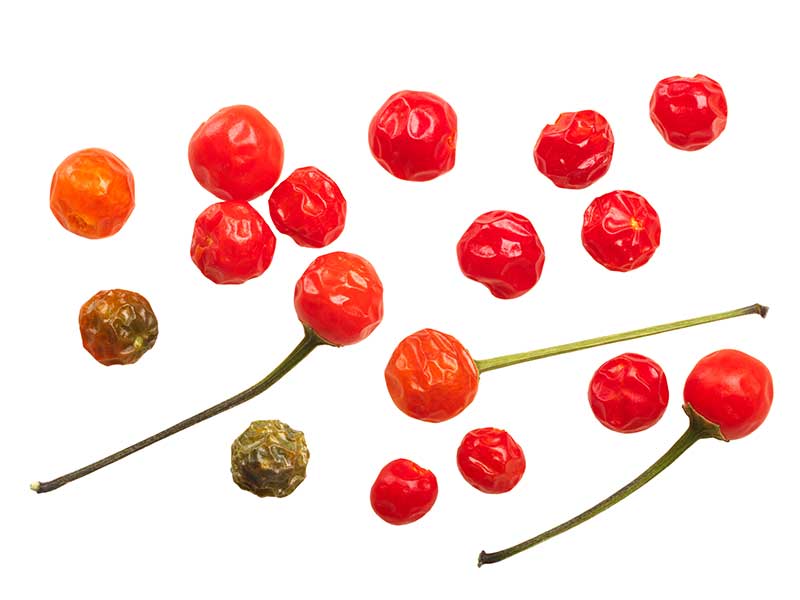
- Compact perennial chilli producing tiny, extremely hot berries with a fiery flavour.
- Hardy species suited to full sun, warm climates, and well-drained soils.
- High-yielding plant for gardens, pots, or bushfood cultivation.
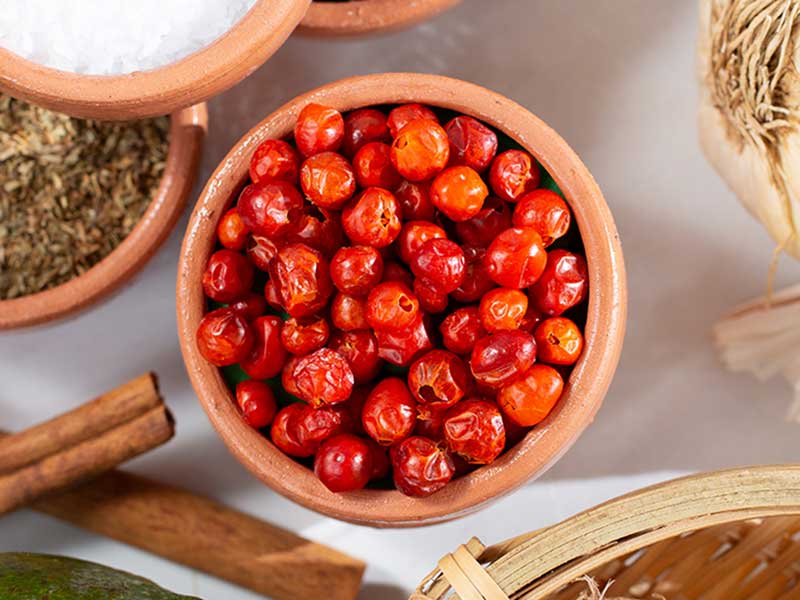
- Edible fruit used fresh, dried, or in sauces for culinary and medicinal purposes.
- Attracts pollinators and supports beneficial garden insects.
Plant Details
- Plant Type: Compact perennial chilli
- Plant Height: 30–60 cm tall; spreads up to 40 cm wide
Sowing Information
- Germination: 1–3 weeks (can be variable)
- Depth: Surface sow to 3–5 mm deep
- Position: Full sun
- Sow Where: Seed trays, pots, or direct sow in warm, prepared sites
- Soil Type: Well-draining soils; tolerates sandy and loamy mixes
- Spacing: 30–50 cm between plants
Growing Tips
- Use a light, well-drained mix; avoid heavy, waterlogged soils.
- Keep soil evenly moist during germination, then reduce watering slightly.
- Highly tolerant of warm conditions; bring indoors in frost-prone areas.
- Prune lightly to encourage branching and more fruit production.
Flowering & Fruiting
Small white flowers appear in clusters, followed by tiny red berries with intense heat that persist throughout the growing season, providing culinary value and visual interest.
Traditional & Practical Uses
- Fruiting pods traditionally used in Mexican, South American, and bushfood cuisine.
- Used fresh, dried, or in sauces to add strong heat to dishes.
- Widely grown for home gardens, ornamental displays, and culinary gardens.
When to Sow CHILLI TEPIN in Your Climate
| Climate Zone | Best Planting Time | Tips |
|---|---|---|
| Temperate | September–November | Start seeds indoors for warmer germination conditions. |
| Subtropical | March–May | Avoid extreme heat during early growth. |
| Tropical | Year-round | Provide partial shade during hottest periods. |
| Cool | October–November | Use greenhouses or warm indoor starting sites. |
| Arid | August–September | Ensure consistent irrigation during early growth. |
Reviews
There are no reviews yet.