
OLD MAN SALTBUSH Seeds
Botanical Name: Atriplex nummularia
Other Names: Old Man Saltbush, Native Saltbush, Bluebush
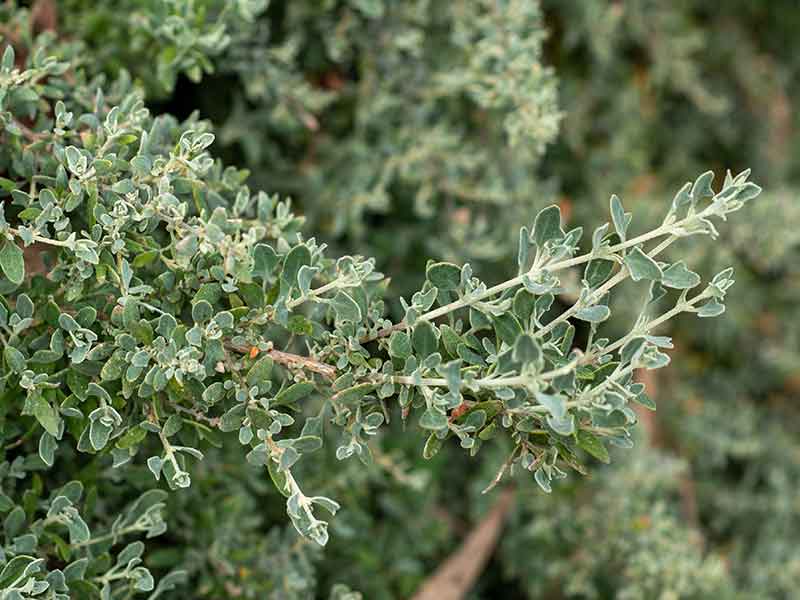
- Robust Australian native shrub with grey-green, succulent foliage and a spreading habit.
- Extremely hardy species adapted to arid, semi-arid, and saline environments.
- Provides year-round foliage cover, adding structure and interest to landscapes.
- Highly tolerant of drought, salinity, wind, and poor soils.
- Valuable groundcover for erosion control, soil stabilisation, and livestock fodder production.
- Edible leaves traditionally used as bushfood and forage.
- Excellent habitat and shelter for native birds, insects, and small wildlife.
Plant Details
- Plant Type: Low-growing to medium native shrub / groundcover
- Plant Height: 1–3 m tall; spreads up to 3–5 m wide
Sowing Information
- Germination: 2–4 weeks (can be variable)
- Pre-treatment: Scarify or soak seeds in hot water to improve germination
- Depth: Surface sow to 5 mm deep
- Position: Full sun to light shade
- Sow Where: Seed trays, tubes, or direct sow in prepared sites
- Soil Type: Free-draining soils; tolerates sandy, saline, alkaline, and poor soils
- Spacing: 1–2 m between plants
Growing Tips
- Use a well-drained, low-nutrient mix; avoid rich fertilisers.
- Keep soil lightly moist during establishment, then reduce watering.
- Highly drought- and salt-tolerant once established; suited to low-maintenance plantings.
- Light pruning encourages denser growth and promotes better forage quality.
Flowering & Fruiting
Small, inconspicuous flowers are followed by seeds contained in woody fruiting structures, providing food for wildlife and forage for livestock.
Traditional & Practical Uses
- Leaves and foliage traditionally consumed by Indigenous Australians and used as livestock fodder.
- Widely planted for erosion control, roadside revegetation, saline soil rehabilitation, and arid-zone landscaping.
When to Sow Old Man Saltbush in Your Climate
| Climate Zone | Best Planting Time | Tips |
|---|---|---|
| Temperate | September–November | Warm spring soils improve germination and establishment. |
| Subtropical | April–June | Avoid peak summer heat during early growth. |
| Tropical | May–July | Best sown in the dry season with good airflow. |
| Cool | October–November | Sow after frosts have passed. |
| Arid | August–September | Time sowing to coincide with mild temperatures and rainfall. |
Reviews
There are no reviews yet.