

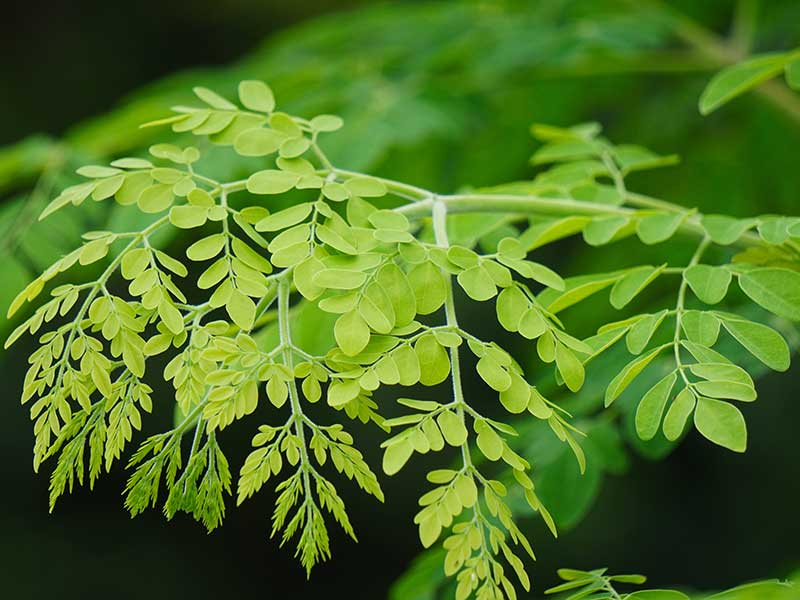

MORINGA ‘Drumstick Tree’ Seeds
Botanical Name: Moringa oleifera
- Highly productive tree known for its exceptionally nutrient-rich leaves.
- Produces long, slender seed pods (“drumsticks”) commonly used in cooking.
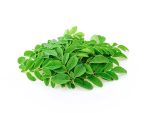
- Leaves can be eaten fresh, dried for tea, or powdered as a supplement.
- Thrives in warm climates and shows strong drought tolerance once established.
- Rich in vitamins A, C, and E, calcium, potassium, and antioxidants.
- Fast-growing—can reach 2–3 m in its first year in ideal conditions.
- Continual pruning encourages bushier growth and higher leaf yields.
Plant Details
- Plant Type: Perennial tree, growing 4–10 m tall.
Sowing Information
- Germination: 7–14 days
- Depth: 1–2 cm deep
- Position: Full sun
- Sow Where: Direct sowing or seed trays for transplanting
- Soil Type: Well-drained, sandy or loamy soil; avoid waterlogging
- Spacing: 2–3 m between trees for optimal growth
Growing Tips
- Protect young seedlings from strong winds and cold conditions.
- Water regularly during establishment, then reduce once roots deepen.
- Prune frequently to encourage dense foliage and easier harvesting.
Harvest
Harvest leaves as soon as the plant reaches 60–90 cm tall; pods typically form within 6–12 months in warm climates.
When to Sow Moringa in Your Climate
| Climate Zone | Best Planting Time | Tips |
|---|---|---|
| Temperate | October–December | Plant after frost risk has passed. Grow in a warm, sheltered spot. |
| Subtropical | September–January | Ideal for warm-season growth. Water deeply but avoid soggy soils. |
| Tropical | Year-round | Thrives in hot climates. Prune regularly to maintain height. |
| Cool | November–January | Start indoors if needed. Protect from cold and frost at all stages. |
| Arid | September–November | Excellent drought tolerance. Mulch deeply to conserve soil moisture. |
