
Lemon Balm Microgreen Seeds
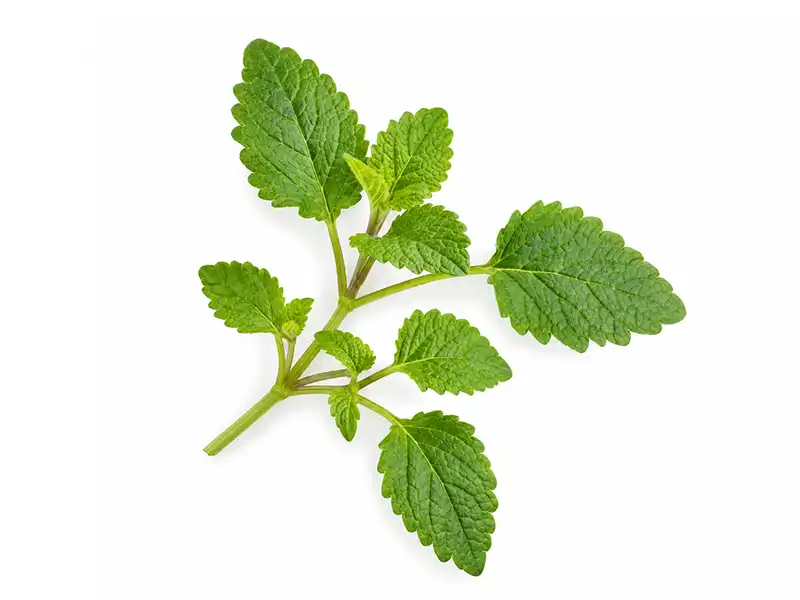
Grow aromatic Lemon Balm microgreens with delicate green leaves and a distinctive fresh lemon flavour. Lemon Balm (Melissa officinalis) produces finely textured microgreens with a refreshing citrus aroma and flavour. The attractive young leaves make an excellent specialty garnish for sweet and savoury dishes.
Lemon Balm is a slower-growing specialty microgreen compared with crops such as broccoli and radish. Its distinctive fragrance and flavour make it particularly useful for restaurants, chefs, specialty microgreen growers and home growers looking for something different.
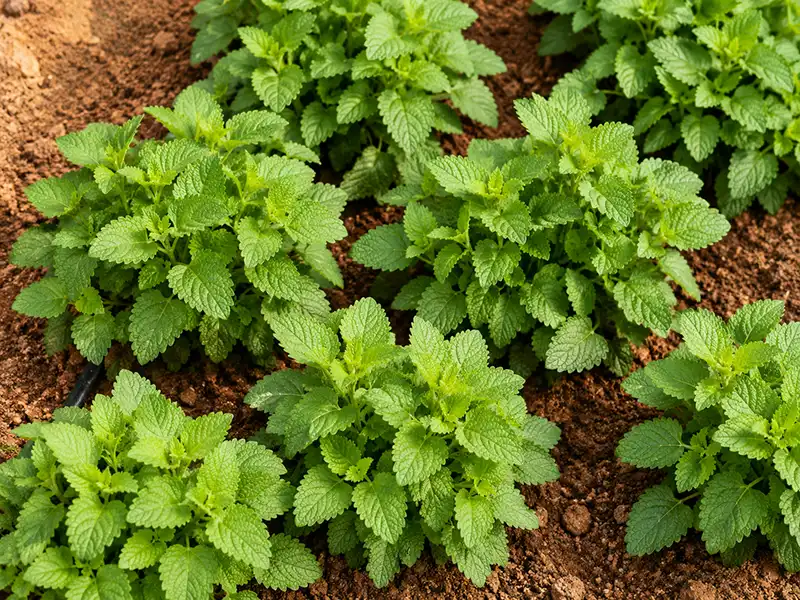
Seedmart Lemon Balm seeds are suitable for growing as microgreens or for growing on to produce mature perennial herb plants.
Lemon Balm Microgreen Seed Details
| Botanical name | Melissa officinalis |
|---|---|
| Common name | Lemon Balm |
| Seed type | Open-pollinated |
| Seed treatment | Untreated |
| Seeds per gram | Approximately 2,000 |
| Pre-soak | Not required |
| Sowing rate | Approx. 12–14 g per 10 × 20 inch tray as a starting rate |
| Growing medium | Fine soil or quality microgreen growing medium |
| Germination | Approximately 10–14 days |
| Typical harvest | Approximately 24–30 days |
| Flavour | Fresh, aromatic and lemon-like |
Why Grow Lemon Balm Microgreens?
- Distinctive fresh lemon aroma and citrus flavour.
- Attractive, finely textured green foliage.
- Premium specialty microgreen for restaurants, chefs and market growers.
- Suitable for sweet and savoury culinary applications.
- No seed pre-soaking required.
- Open-pollinated seed.
- Can also be grown on to produce mature Lemon Balm plants.
- Suitable for home and commercial microgreen growers.
How to Grow Lemon Balm Microgreens
Lemon Balm is a relatively slow-growing specialty microgreen and requires more patience than fast-growing varieties such as broccoli, radish or mustard. It does not require pre-soaking. For a standard 10 × 20 inch microgreen tray, approximately 12–14 grams of seed provides a useful starting sowing rate.
- Prepare the growing tray.
Add a fine, moist growing medium to a shallow tray and gently level the surface. A quality soil or microgreen growing mix that retains moisture while draining freely is suitable. - Sow the Lemon Balm seeds.
Spread the small seeds evenly over the surface. Aim for consistent coverage without allowing the seed to accumulate heavily in any one area. - Press the seed gently into the surface.
Good seed-to-medium contact is important. Gently press the seed into the moist surface. Avoid burying the seed deeply; a very light covering of fine growing medium or vermiculite can be used. - Maintain consistent moisture.
Mist gently so the small seeds are not displaced. Keep the growing medium evenly moist during germination without allowing it to become waterlogged. Germination may take approximately 10–14 days and can be somewhat uneven. - Provide suitable light.
Once seedlings emerge, provide good natural or artificial growing light. Adequate light helps produce compact, healthy green growth. - Water carefully as the crop develops.
Bottom watering is useful once the seedlings are established. Maintain even moisture and good airflow while avoiding persistently wet foliage and saturated growing media. - Harvest the microgreens.
Lemon Balm microgreens are generally ready approximately 24–30 days after sowing. Harvest once the young leaves have developed and the crop has reached the size and flavour you prefer. Cut cleanly just above the growing medium.
What Do Lemon Balm Microgreens Taste Like?
Lemon Balm microgreens have a distinctive citrus aroma and fresh lemon-like flavour. Their flavour is aromatic rather than sharply acidic, providing a different character from lemon-flavoured greens such as sorrel.
The delicate leaves can be used to add fresh citrus character to salads, desserts, fruit dishes, drinks and garnishes. Their aroma and finely textured appearance make them particularly useful as a specialty culinary microgreen.
A Specialty Culinary Microgreen
Lemon Balm is particularly useful where both aroma and flavour are important. The young green leaves release their characteristic lemon fragrance when handled and can provide a fresh citrus accent without the acidity of lemon juice.
Lemon Balm microgreens can be used with desserts, fruit, salads and cold drinks, or as a garnish for savoury dishes where a subtle citrus character is desirable. Johnny’s specifically recommends the microgreen for adding citrus flavour to desserts and refreshing drinks.
Because Lemon Balm takes considerably longer to reach harvest than many standard microgreens, it is generally grown as a higher-value specialty crop rather than a rapid-turnover bulk microgreen.
Frequently Asked Questions
How long do Lemon Balm microgreens take to grow?
Lemon Balm is a relatively slow-growing microgreen. Harvest is generally around 24–30 days after sowing, depending on temperature, light, moisture and preferred harvest size.
Do Lemon Balm seeds need to be soaked?
No. Lemon Balm microgreen seed does not normally require pre-soaking. Sow the seed directly onto a moist, fine-textured growing medium.
How much Lemon Balm seed should I use in a 10 × 20 tray?
Approximately 12–14 grams per standard 10 × 20 inch tray provides a useful starting range. Growers can adjust the density according to their growing system and preferred finished crop.
How long does Lemon Balm take to germinate?
Germination commonly takes approximately 10–14 days when grown as a microgreen and may be somewhat uneven. Maintain consistent moisture during germination and avoid allowing the growing medium to dry out.
What do Lemon Balm microgreens taste like?
They have a fresh, aromatic lemon flavour and fragrance. The flavour is citrus-like without the strong acidity associated with lemon juice or sorrel.
Do Lemon Balm microgreens need light?
Yes. Once seedlings have emerged, provide suitable natural or artificial growing light to encourage compact, healthy green growth.
Can Lemon Balm microgreens be grown hydroponically?
Yes. Lemon Balm can be grown in suitable soilless systems; Johnny’s identifies its Lemon Balm microgreen selection as a hydroponic performer. Growers should ensure the system provides consistent moisture, suitable nutrition where required and adequate airflow.
Can these seeds also be grown as mature Lemon Balm?
Yes. Melissa officinalis can be grown beyond the microgreen stage to produce mature aromatic herb plants. Mature Lemon Balm is a perennial herb in suitable conditions.
Where can I buy Lemon Balm microgreen seeds in Australia?
Seedmart supplies Lemon Balm seed for home growers, commercial microgreen growers, market gardens and specialty herb production throughout Australia.
Reviews
There are no reviews yet.