

EVERLASTING DAISY Silvery Rose Seeds
Botanical Name: Xerochrysum bracteatum
Other Names: Strawflower, Paper Daisy, Everlasting Daisy
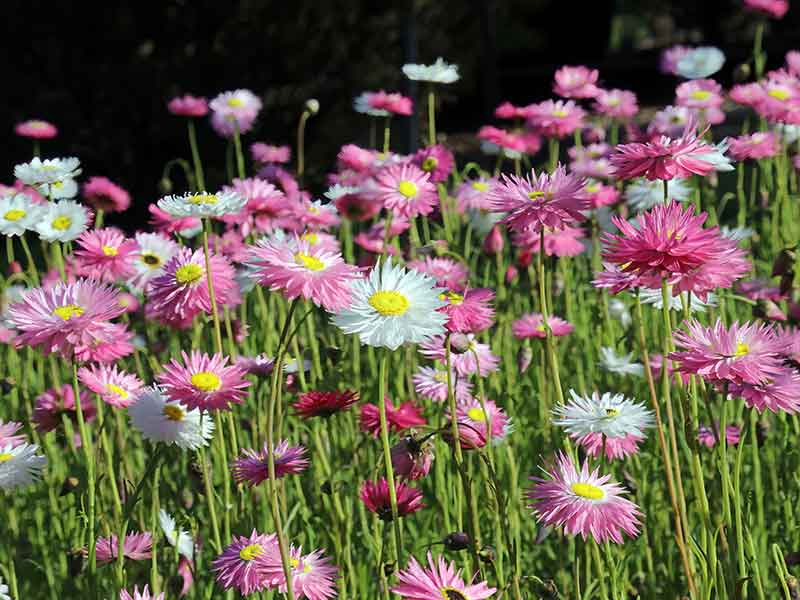
- Australian native annual with silvery foliage and striking rose-coloured, long-lasting flowers.
- Exceptionally hardy species adapted to arid, semi-arid, and temperate garden environments.
- Produces abundant flowers for much of the year, adding colour and interest to gardens and floral displays.
- Highly tolerant of drought, wind, and poor soils.
- Excellent for borders, rockeries, containers, and mixed native flower beds.
- Flowers are ideal for drying and crafting, retaining colour and shape for months.
- Attracts pollinators such as bees and butterflies, supporting garden biodiversity.
Plant Details
- Plant Type: Annual / ornamental flower
- Plant Height: 40–70 cm tall; spreads 20–40 cm wide
Sowing Information
- Germination: 10–21 days (can be variable)
- Depth: Surface sow or lightly cover with 1–2 mm of soil
- Position: Full sun to light shade
- Sow Where: Seed trays, tubes, or directly in prepared garden beds
- Soil Type: Well-drained soils; tolerates sandy, loamy, and poor soils
- Spacing: 20–30 cm between plants
Growing Tips
- Use a light, well-drained seed-raising mix; avoid rich fertilisers during early growth.
- Keep soil lightly moist until seedlings establish, then reduce watering.
- Drought-tolerant once established and suited to low-maintenance plantings.
- Pinching back young stems encourages bushier plants and more flower production.
Flowering & Fruiting
Produces vibrant silvery-rose flowers that bloom for months, ideal for fresh and dried arrangements while attracting pollinators to the garden.
Traditional & Practical Uses
- Popular in native gardens and cottage-style landscaping.
- Flowers are widely used in fresh bouquets and dried floral crafts.
- Planted in borders, containers, and floral displays for lasting colour.
When to Sow Everlasting Daisy Silvery Rose in Your Climate
| Climate Zone | Best Planting Time | Tips |
|---|---|---|
| Temperate | September–November | Warm spring soils improve germination and establishment. |
| Subtropical | March–May | Avoid peak heat during early seedling growth. |
| Tropical | April–June | Sow in well-drained soil and protect seedlings from prolonged heavy rain. |
| Cool | October–November | Sow after the main risk of frost has passed. |
| Arid | August–September | Time sowing to coincide with mild temperatures and available rainfall. |
Reviews
There are no reviews yet.