
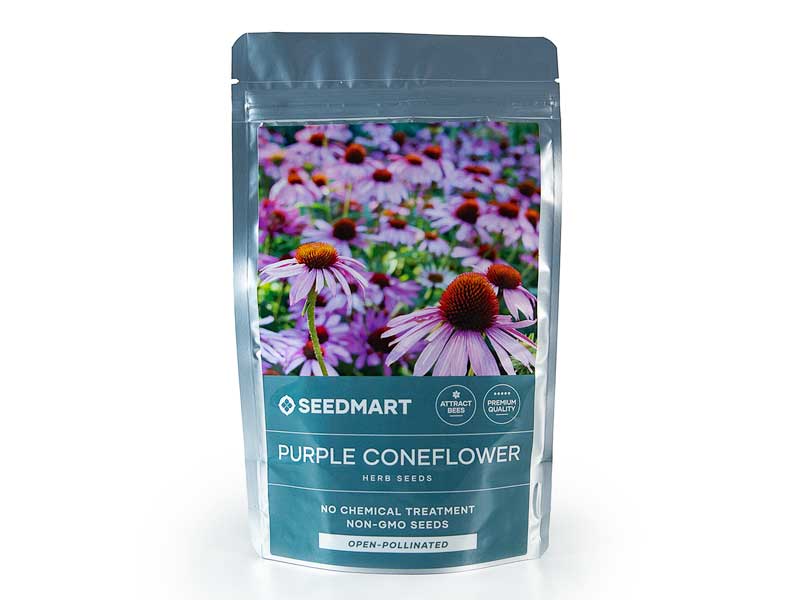
Echinacea ‘Purple Coneflower’ Seeds
Botanical Name: Echinacea purpurea
- Hardy perennial herb and wildflower growing up to 100 cm tall.
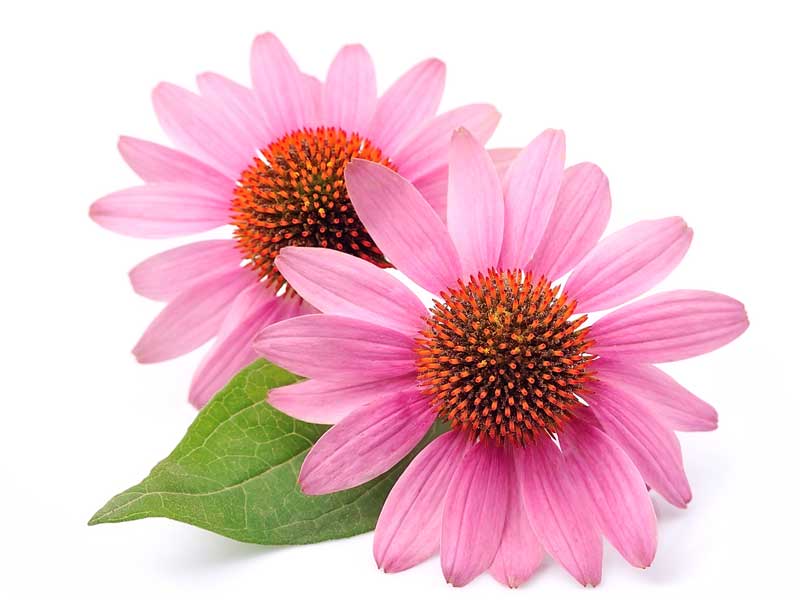
- Produces large purple-pink daisy-like flowers with cone-shaped centres.
- Attracts bees, butterflies, and other beneficial pollinators to the garden.
- Flowers make long-lasting ornamental cut flowers for vases and borders.
- Roots are traditionally used for herbal teas and remedies.
- Native to North America; thrives in open, sunny garden beds.
Plant Details
- Plant Type: Perennial herb and wildflower
- Plant Height: Up to 100 cm
Sowing Information
- Germination: 10–20 days
- Depth: Sow 5 mm deep
- Position: Full sun
- Sow Where: Directly in garden beds or start in trays and transplant
- Soil Type: Well-drained soil with moderate fertility
- Spacing: 30–45 cm between plants
Growing Tips
- Deadhead spent flowers to encourage new blooms throughout the season.
- Water regularly during establishment, then reduce as plants mature.
- Leave seed heads on some plants at the end of the season to self-sow or feed birds.
- May take one full season before flowering begins in some climates.
Harvest
Harvest roots in the second or third year for drying. Flowers and young leaves can be picked during the flowering season.
When to Sow Echinacea in Your Climate
| Climate Zone | Best Planting Time | Tips |
|---|---|---|
| Temperate | Spring to early summer | Start seeds in trays or direct sow after last frost. |
| Subtropical | Autumn to early spring | Grow in full sun. Avoid extreme summer humidity where possible. |
| Tropical | Autumn to early winter | Best grown during dry season. Choose a well-drained position. |
| Cool | Spring to early summer | Start indoors if frosts are still likely. Transplant when soil warms. |
| Arid | Autumn or early spring | Sow after heat eases. Water regularly during germination and early growth. |
