
Carrot Microgreen Seeds
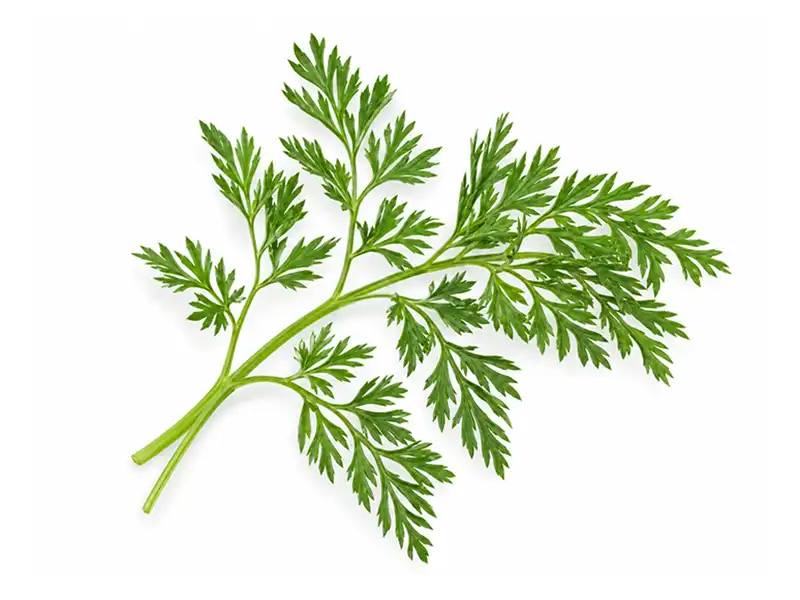
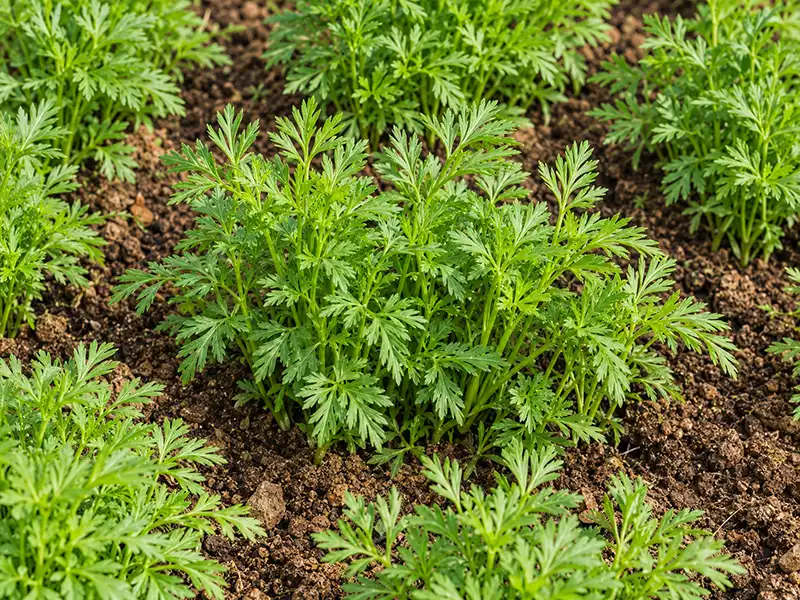
Grow delicate Carrot microgreens with fine green foliage and a fresh, mildly sweet carrot flavour. Carrot (Daucus carota) produces distinctive microgreens with slender stems and finely divided, feathery green leaves. Their flavour resembles fresh carrot with mild sweetness and an aromatic character that becomes more pronounced as the crop develops.
Carrot microgreens are slower growing than many common microgreen varieties, but their fine texture, attractive foliage and distinctive flavour make them particularly useful as a specialty culinary microgreen. They are well suited to salads, sandwiches, savoury dishes and fresh garnishes.
Carrot microgreens can be grown in shallow trays using quality potting mix or another fine, well-drained microgreen growing medium.
Carrot Microgreen Seed Details
| Botanical name | Daucus carota |
|---|---|
| Common name | Carrot |
| Pre-soak | Not required |
| Sowing rate | Approximately 15–20 g per 10 × 20 inch tray as a starting rate |
| Growing medium | Quality potting mix or suitable fine-textured microgreen growing medium |
| Germination | Approximately 4–7 days |
| Typical harvest | Approximately 16–25 days |
| Flavour | Fresh, mildly sweet carrot flavour with an aromatic character |
Why Grow Carrot Microgreens?
- Distinctive fresh, mildly sweet carrot flavour.
- Fine, feathery green foliage creates an attractive specialty microgreen.
- Ideal for salads, sandwiches, savoury dishes and fresh culinary garnishes.
- Useful for chefs and growers wanting a microgreen with a different texture and appearance from common brassica varieties.
- No seed pre-soaking required.
- Can be grown indoors throughout the year under suitable conditions.
- Suitable for home and commercial specialty microgreen production.
- A good addition to mixed microgreen ranges where flavour and visual diversity are important.
How to Grow Carrot Microgreens
Carrot microgreens are slower to germinate and mature than many common microgreen varieties. They perform particularly well in a fine-textured growing medium that provides consistent moisture during germination. For a standard 10 × 20 inch microgreen tray, approximately 15–20 grams of seed provides a useful starting sowing rate.
- Prepare the growing tray.
Add approximately 3–4 cm of moist quality potting mix or another suitable fine-textured microgreen growing medium to a shallow tray. Gently level the surface without heavily compacting it. - Sow the Carrot seeds.
Spread the dry seed as evenly as possible across the surface. Aim for consistent coverage while avoiding thick piles or clumps of seed. - Press the seed into the growing medium.
Gently press the seeds against the surface to improve seed-to-medium contact. A very light covering of fine growing medium or vermiculite can also be used. - Mist thoroughly.
Use a fine spray mister to moisten the seed and growing surface evenly without washing the seeds into concentrated areas. - Cover during germination.
Cover the tray during the initial germination period to help maintain consistent moisture and darkness. Carrot seed is slower to germinate than many common microgreen crops, so allow approximately 4–7 days for emergence under suitable conditions. - Maintain consistent moisture.
Check the crop regularly and keep the growing medium evenly moist. Avoid allowing the surface to dry out during germination, but do not leave the medium saturated or waterlogged. - Introduce the seedlings to light.
Once the seedlings have emerged and established, remove the cover and move the tray into bright indirect natural light or beneath suitable artificial growing lights. - Water as the crop develops.
Continue to maintain even moisture as the fine foliage develops. Bottom watering can be useful once the seedlings are established because it helps keep the foliage drier. - Harvest the microgreens.
Carrot microgreens are generally ready to harvest approximately 16–25 days after sowing, depending on temperature, light and preferred harvest stage. Cut the stems cleanly just above the growing medium once the crop has developed good green colour and the desired flavour and texture.
What Do Carrot Microgreens Taste Like?
Carrot microgreens have a fresh, mildly sweet flavour reminiscent of mature carrot, accompanied by an aromatic character from the young foliage. Their flavour becomes more noticeable as the seedlings develop.
The fine leaves and delicate texture make Carrot microgreens particularly suitable for use as a fresh garnish. They can also be added to salads, sandwiches and savoury dishes where their carrot-like flavour complements other fresh ingredients.
Because of their delicate foliage, Carrot microgreens are generally best added shortly before serving rather than subjected to prolonged cooking.
A Fine-Leaved Specialty Microgreen
Carrot microgreens have a noticeably different appearance from many common microgreen crops. Rather than producing broad seed leaves and thick stems, the developing plants form fine, feathery green foliage that gives the harvested crop a light and delicate appearance.
This makes Carrot particularly useful as a garnish and as part of a specialty microgreen range. The combination of fine foliage and recognisable carrot flavour can be especially useful for chefs, restaurants and growers looking for alternatives to standard brassica and radish microgreens.
Carrot is a relatively slow microgreen crop, so it requires a longer production cycle than broccoli, radish, mustard and many other commonly grown varieties. Growers should account for the additional growing time when planning commercial production.
Frequently Asked Questions
How long do Carrot microgreens take to grow?
Carrot microgreens are generally ready to harvest approximately 16–25 days after sowing. Growth rate varies according to temperature, light, moisture, growing medium and preferred harvest stage.
Do Carrot microgreen seeds need to be soaked?
No. Carrot microgreen seeds do not normally require pre-soaking before sowing.
How much Carrot seed should I use in a 10 × 20 tray?
Approximately 15–20 grams of seed per standard 10 × 20 inch tray provides a useful starting range. Growers can adjust the density according to their growing system and preferred finished crop.
How long do Carrot microgreen seeds take to germinate?
Carrot seed commonly takes approximately 4–7 days to germinate under suitable microgreen growing conditions. It is slower to emerge than many brassica microgreens, so maintaining consistent moisture during this period is important.
Should Carrot microgreen seeds be covered with soil?
Carrot seed can be gently pressed into the moist growing medium and covered very lightly with fine growing mix or vermiculite. Good seed-to-medium contact and consistent moisture are important during germination.
Do Carrot microgreens need light?
The seeds can be kept covered during initial germination. Once the seedlings have emerged and established, expose them to suitable natural or artificial growing light so the foliage can develop good green colour.
Can Carrot microgreens be grown without soil?
Carrot microgreens are particularly well suited to a fine-textured potting or microgreen growing mix. Some growers use soilless media, but whichever medium is chosen should maintain consistent moisture while providing suitable drainage and root support.
What do Carrot microgreens taste like?
Carrot microgreens have a fresh, mildly sweet flavour reminiscent of carrot, together with the aromatic character of the young foliage.
When should Carrot microgreens be harvested?
Harvest is generally approximately 16–25 days after sowing. Cut the stems cleanly just above the growing medium once the foliage has developed the desired size, colour and flavour.
Are Carrot microgreens slower growing than broccoli and radish microgreens?
Yes. Carrot is generally a slower microgreen crop. Broccoli and radish can often be harvested considerably earlier, while Carrot typically requires a longer germination and growing period.
Where can I buy Carrot microgreen seeds in Australia?
Seedmart supplies Carrot seed for home growers, chefs, restaurants, market gardeners and commercial microgreen production throughout Australia.
Reviews
There are no reviews yet.