

Beetroot ‘Detroit Red’ Vegetable Seeds
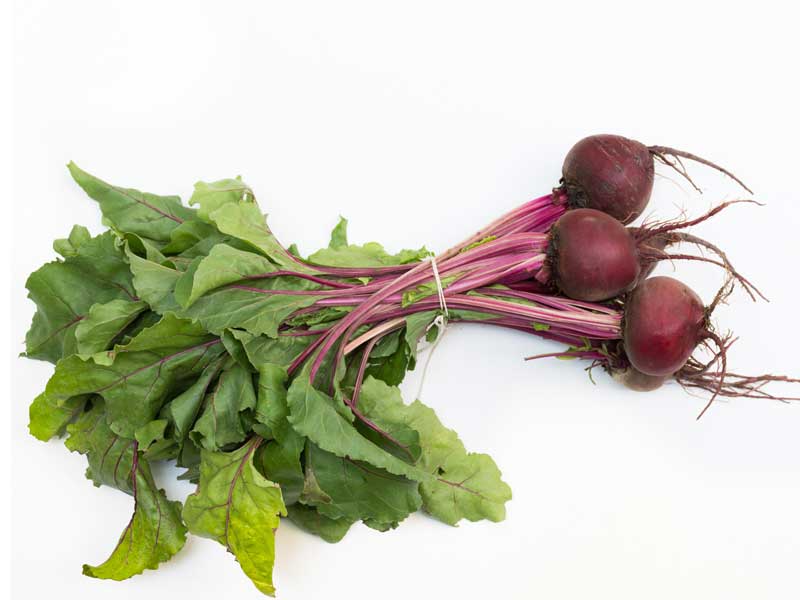
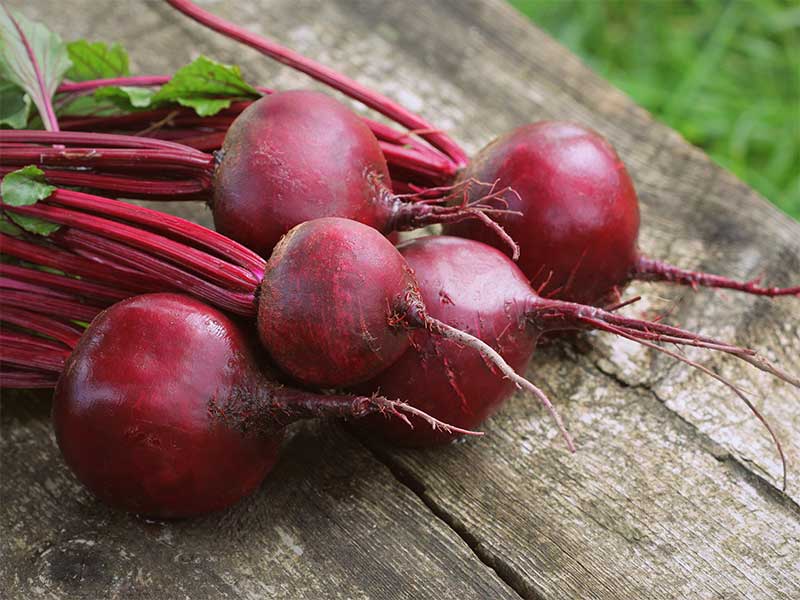
Grow classic deep-red beetroot at home with this reliable and productive garden variety. Detroit Red Beetroot (Beta vulgaris) is a popular open-pollinated beetroot producing smooth, rounded roots with rich dark-red flesh and a sweet, earthy flavour.
The uniform, globe-shaped roots are excellent for harvesting young as baby beets or allowing to mature to full size. Both the roots and young leaves are edible, making Detroit Red a versatile vegetable for home gardens and market garden production.
Reliable and relatively easy to grow, Detroit Red performs best during the cooler parts of the year and is suitable for vegetable gardens, raised beds and larger containers.
Detroit Red Beetroot Seed Details
| Botanical name | Beta vulgaris |
|---|---|
| Variety | Detroit Red |
| Seed type | Open-pollinated |
| Plant type | Cool-season root vegetable |
| Root shape | Round to globe-shaped |
| Root colour | Deep red |
| Position | Full sun |
| Sowing depth | Approximately 1–2 cm |
| Plant spacing | Approximately 7–10 cm |
| Harvest | Approximately 8–12 weeks, depending on growing conditions and desired root size |
Why Grow Detroit Red Beetroot?
- Classic beetroot variety producing attractive round, deep-red roots.
- Sweet, earthy flavour suitable for a wide range of fresh and cooked dishes.
- Roots can be harvested young as baby beetroot or grown to full size.
- Young leaves are edible and can be harvested for salads or cooking.
- Suitable for vegetable gardens, raised beds and larger containers.
- Relatively quick-growing crop that can be succession sown for extended harvests.
- Excellent for roasting, boiling, pickling, salads and preserving.
- Open-pollinated variety suitable for home gardeners and growers.
How to Grow Detroit Red Beetroot from Seed
Detroit Red Beetroot grows best in loose, fertile and well-drained soil where the developing roots can expand without obstruction. Direct sowing is generally preferred because beetroot establishes readily where it is to grow.
- Choose a sunny position.
Select a position receiving full sun. Beetroot can tolerate some light shade, but good sunlight generally encourages stronger growth and well-developed roots. - Prepare the soil.
Cultivate the soil to produce a loose, fine seedbed. Remove stones, large clods and other obstructions that may interfere with root development. Incorporate well-rotted compost or organic matter where required. - Sow the beetroot seeds.
Direct sow approximately 1–2 cm deep. Space seed clusters along the row and water gently after sowing. - Keep the seedbed moist.
Maintain reasonably consistent moisture during germination and early establishment. Avoid allowing the soil surface to repeatedly dry out. - Thin the seedlings.
Beetroot “seeds” are actually corky seed clusters that can produce more than one seedling. Thin young plants to approximately 7–10 cm apart once established. Young thinnings can be eaten as baby leaves. - Water consistently.
Regular moisture encourages steady root development. Large fluctuations between very dry and very wet conditions can reduce root quality. - Succession sow.
For a longer harvest period, sow smaller quantities every few weeks while growing conditions remain suitable. - Harvest at the preferred size.
Pull roots while young for tender baby beetroot or allow them to develop into larger mature roots. Do not leave mature roots in the ground excessively long if tender texture is preferred.
When to Plant Beetroot Seeds in Australia
Beetroot is generally considered a cool-season vegetable, although its sowing season varies considerably across Australia’s different climates. Mild temperatures favour steady leaf and root development.
| Climate | General Sowing Guide |
|---|---|
| Tropical | Best grown during the cooler, drier months; avoid the hottest and wettest periods |
| Subtropical | Best from autumn through winter and into spring; avoid extreme summer heat |
| Temperate | Generally suitable from late winter through spring and again from late summer through autumn |
| Cool / frost-prone | Sow from spring through summer and into early autumn, avoiding periods when severe frost may affect young plants |
Local temperature and seasonal conditions are more important than calendar dates alone. In warm regions, beetroot is particularly useful as an autumn and winter vegetable, while gardeners in cooler climates can generally grow it over a much broader period.
Harvesting Detroit Red Beetroot
Detroit Red Beetroot can be harvested at different stages depending on how you intend to use it.
Baby beetroot: Harvest roots while relatively small for tender baby beets suitable for roasting, salads and whole-beet dishes.
Mature beetroot: Allow roots to develop their characteristic rounded shape and deep-red colour before lifting.
Beetroot leaves: Young leaves can be harvested sparingly and eaten fresh or cooked in a similar way to other leafy greens. Avoid removing too much foliage from plants being grown primarily for their roots.
Under suitable conditions, roots may be ready to harvest approximately 8–12 weeks after sowing. Development varies according to temperature, soil conditions, spacing, moisture and desired harvest size.
How to Use Detroit Red Beetroot
Detroit Red is a versatile beetroot suitable for both fresh use and cooking.
- Roasting: Roast whole baby beets or cut mature roots into wedges or pieces.
- Salads: Use cooked or finely grated raw beetroot in fresh salads.
- Pickling: The firm, richly coloured roots are well suited to traditional pickled beetroot.
- Cooking: Boil, steam or bake the roots for use as a vegetable side dish.
- Preserving: Mature roots can be prepared for a range of preserved beetroot recipes.
- Young leaves: Tender leaves can be used fresh in salads or cooked as a leafy green.
Growing Beetroot in Pots
Detroit Red Beetroot can be grown successfully in containers provided there is sufficient soil depth for root development.
Choose a container at least 20–25 cm deep with good drainage and fill it with a loose, quality growing medium. Position the container in a sunny location and maintain consistent moisture.
Thin seedlings to provide enough space for individual roots to develop. Closely spaced plants can be harvested young as baby beetroot, while wider spacing allows roots to reach a larger mature size.
Frequently Asked Questions
What is Detroit Red Beetroot?
Detroit Red is a traditional open-pollinated beetroot variety producing rounded roots with deep-red flesh. It is grown for its edible roots as well as its young leaves.
How long does Detroit Red Beetroot take to grow?
Roots can generally be harvested in approximately 8–12 weeks under suitable conditions, although baby beetroot can be harvested earlier and maturity varies according to climate and growing conditions.
How deep should I sow beetroot seeds?
Sow beetroot seeds approximately 1–2 cm deep in loose, prepared soil and maintain consistent moisture while they germinate.
Why do several beetroot seedlings grow from one seed?
What is commonly called a beetroot seed is actually a corky cluster that can contain multiple seeds. As a result, several seedlings may emerge close together and should be thinned as they establish.
How far apart should Detroit Red Beetroot be planted?
For mature roots, thin plants to approximately 7–10 cm apart. Plants grown closer together can be harvested earlier as baby beetroot.
Can you eat beetroot leaves?
Yes. Young beetroot leaves are edible and can be eaten fresh or cooked. Harvest leaves sparingly if you also want the plant to develop a good-sized root.
Can Detroit Red Beetroot be grown in pots?
Yes. Use a reasonably deep container with good drainage and provide enough spacing for the roots to develop.
Does beetroot need full sun?
Beetroot generally performs best in full sun, although it can tolerate some light shade.
When should I plant beetroot seeds in Australia?
The best sowing period depends on climate. In subtropical and tropical regions, beetroot is generally best grown during the cooler months. Temperate and cool regions usually have a longer suitable sowing season.
Can Detroit Red Beetroot be harvested as baby beetroot?
Yes. Detroit Red can be harvested while the roots are still small and tender or left to develop into larger mature roots.
Can I direct sow beetroot seeds?
Yes. Direct sowing is generally the simplest method because beetroot establishes readily in its final growing position and does not require transplanting.
Why are my beetroot roots small?
Crowding, compacted soil, insufficient sunlight, inconsistent moisture or excessive competition can restrict root development. Thin seedlings adequately and provide loose soil with reasonably consistent moisture.
Where can I buy Detroit Red Beetroot seeds in Australia?
Seedmart supplies Detroit Red Beetroot seeds for Australian home gardeners and growers. This classic deep-red beetroot is suitable for garden beds, raised beds and containers and can be harvested as baby beetroot or allowed to mature to full size.
Reviews
There are no reviews yet.