
Greek Basil Microgreen Seeds
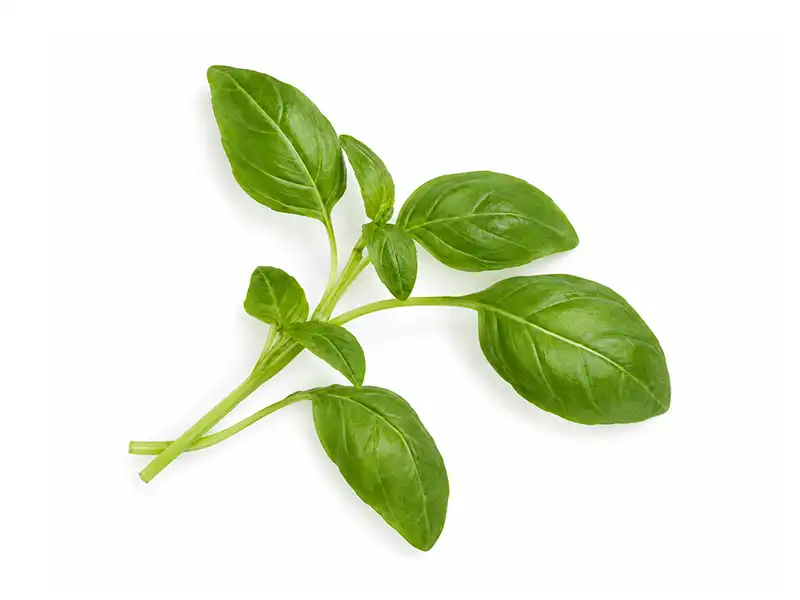
Grow aromatic Greek Basil microgreens with small green leaves and a concentrated classic basil flavour. Greek Basil (Ocimum basilicum var. minimum) is a compact basil variety known for its small leaves, strong aroma and traditional basil flavour. When grown as a microgreen, it produces tender young growth suitable for fresh culinary use.
Greek Basil is a specialty microgreen particularly suited to Mediterranean dishes, salads, pasta, tomato dishes and fresh garnishes. Like other basil varieties, it grows more slowly than fast microgreens such as broccoli and radish, but provides a distinctive aromatic crop for home growers, chefs and commercial microgreen production.
Seedmart Greek Basil seeds are untreated, non-GMO and open-pollinated and can be grown as microgreens or grown on to produce mature compact Greek Basil plants.
Greek Basil Microgreen Seed Details
| Botanical name | Ocimum basilicum |
|---|---|
| Common name | Greek Basil |
| Seed type | Open-pollinated and non-GMO |
| Seed treatment | Untreated |
| Seeds per gram | Approximately 700 |
| Pre-soak | Not required |
| Sowing rate | Approximately 28 g per 10 × 20 inch tray |
| Growing medium | Potting mix, coco coir or suitable microgreen growing medium |
| Blackout period | Approximately 4–6 days |
| Typical harvest | Approximately 12–16 days |
| Flavour | Aromatic with a robust, classic basil flavour |
Why Grow Greek Basil Microgreens?
- Strong, aromatic classic basil flavour in a tender young microgreen.
- Ideal for Mediterranean dishes, salads, pasta, tomato dishes and fresh garnishes.
- Small green leaves provide an attractive presentation for culinary use.
- Suitable for growing indoors throughout the year under suitable conditions.
- Can be grown in potting mix, coco coir or other suitable microgreen growing media.
- No seed pre-soaking required.
- Untreated, non-GMO and open-pollinated seed.
- Suitable for home growers, chefs and commercial microgreen production.
- Can also be grown on to produce compact mature Greek Basil plants.
How to Grow Greek Basil Microgreens
Greek Basil is a specialty basil microgreen that prefers warm growing conditions. Basil seeds are mucilaginous, meaning they develop a gelatinous coating after becoming wet, so pre-soaking is not recommended. For a standard 10 × 20 inch microgreen tray, approximately 28 grams of seed provides a useful starting sowing rate.
- Prepare the growing tray.
Add approximately 3–4 cm of moist potting mix, coco coir or another suitable microgreen growing medium to a shallow tray and gently level the surface. - Sow the Greek Basil seeds.
Spread the dry seeds evenly across the surface. Aim for consistent coverage while avoiding thick piles or clumps of seed. - Mist thoroughly.
Use a fine spray mister to moisten the seed and growing surface evenly. Basil seeds naturally develop a gelatinous coating after absorbing water. - Cover the tray.
Cover with a lid or blackout tray and keep in a warm, well-ventilated area during initial germination. A covered or blackout period of approximately 4–6 days provides a useful starting point. - Maintain consistent moisture.
Check the tray regularly and mist or water as required. Keep the growing medium evenly moist without allowing it to become waterlogged or leaving standing water in the tray. - Introduce the seedlings to light.
After the initial covered period, remove the lid and move the developing microgreens into bright indirect natural light or beneath suitable artificial growing lights. - Water as the crop develops.
Continue to maintain consistent moisture. Once the seedlings are established, bottom watering can help keep the foliage drier while supplying moisture to the root zone. - Harvest the microgreens.
Greek Basil microgreens are commonly ready approximately 12–16 days after sowing, when they have reached around 5–7 cm in height. Cut cleanly just above the growing medium using clean scissors or a suitable harvesting knife.
What Do Greek Basil Microgreens Taste Like?
Greek Basil microgreens have a strong, aromatic basil flavour with the familiar sweet and savoury character associated with traditional culinary basil. The young crop provides concentrated basil aroma in a tender form that can be used directly as a fresh ingredient or garnish.
They pair particularly well with tomatoes, salads, pasta, Mediterranean-style dishes, cheese, sauces and fresh vegetable dishes. Their small green leaves and distinctive aroma also make them useful as a finishing garnish where both flavour and presentation are important.
A Compact, Aromatic Basil Variety
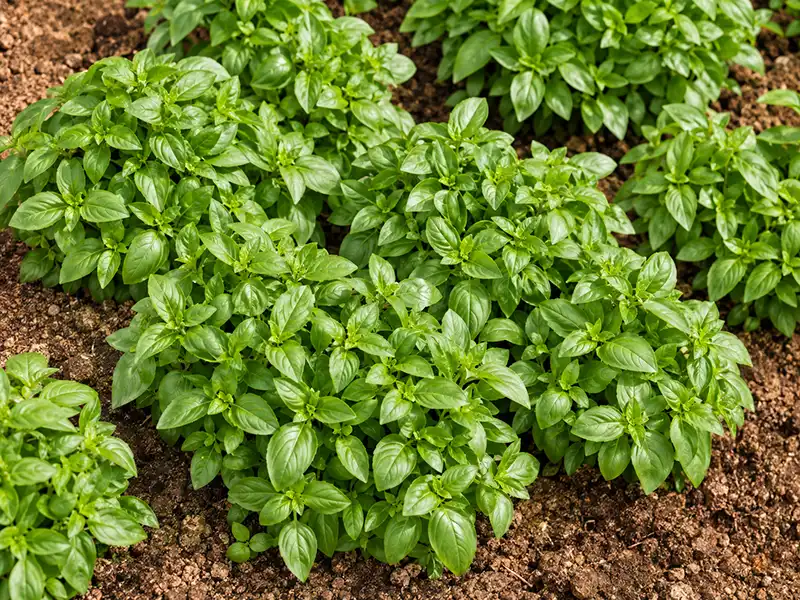
Greek Basil is distinguished from larger-leaved basil varieties by its naturally compact growth habit and small, vivid green leaves. Mature plants form neat, rounded plants, while the young microgreens retain the variety’s characteristic basil aroma and flavour.
As a microgreen, Greek Basil is particularly useful where growers want a recognisable classic basil flavour in a small, tender crop. It can be used on its own or incorporated into specialty microgreen ranges intended for chefs, restaurants and fresh-market customers.
Greek Basil can also be grown beyond the microgreen stage. Mature plants remain relatively compact, making the variety particularly useful for containers, herb gardens, balconies and other areas where growing space is limited.
Frequently Asked Questions
How long do Greek Basil microgreens take to grow?
Greek Basil microgreens are commonly ready for harvest approximately 12–16 days after sowing. Growth rate varies with temperature, light, moisture, sowing density and other growing conditions.
Do Greek Basil microgreen seeds need to be soaked?
No. Greek Basil seeds should not normally be pre-soaked. Basil seed becomes mucilaginous when wet and can be sown dry directly onto the prepared growing medium.
How much Greek Basil seed should I use in a 10 × 20 tray?
Approximately 28 grams of Greek Basil seed per standard 10 × 20 inch tray provides a useful starting sowing rate. Growers can adjust the density according to their growing system and preferred finished crop.
Why do Greek Basil seeds become gelatinous when wet?
Basil seeds are naturally mucilaginous. When they absorb water, a gelatinous coating develops around the seed. This is a normal characteristic of basil seed.
Do Greek Basil microgreens need a blackout period?
A covered or blackout period of approximately 4–6 days can be used during initial establishment. After this period, expose the developing seedlings to suitable natural or artificial growing light.
Can Greek Basil microgreens be grown without soil?
Yes. Greek Basil can be grown using coco coir or other suitable microgreen growing media in addition to potting mix. The growing medium should retain adequate moisture while providing suitable drainage and airflow.
When should Greek Basil microgreens be harvested?
Greek Basil microgreens are commonly harvested approximately 12–16 days after sowing, when the young plants are around 5–7 cm tall. Cut the stems cleanly just above the growing medium.
What do Greek Basil microgreens taste like?
Greek Basil microgreens have a robust, aromatic and recognisably classic basil flavour. They are well suited to Mediterranean dishes, salads, pasta, tomato dishes and fresh garnishes.
How is Greek Basil different from Genovese Basil?
Greek Basil is naturally compact and produces much smaller leaves than Genovese Basil. Mature Genovese Basil is generally grown for its larger leaves and is widely associated with pesto, while Greek Basil forms a dense, rounded plant with numerous small, strongly aromatic leaves.
Can these seeds also be grown as mature Greek Basil?
Yes. The same seeds can be grown beyond the microgreen stage to produce mature Greek Basil plants. The variety forms compact, dome-shaped plants with small green leaves and is particularly well suited to pots and small-space herb gardens.
Where can I buy Greek Basil microgreen seeds in Australia?
Seedmart supplies untreated Greek Basil seed in packet and bulk quantities for home growers, chefs, restaurants, market gardeners and commercial microgreen production throughout Australia.
Reviews
There are no reviews yet.