
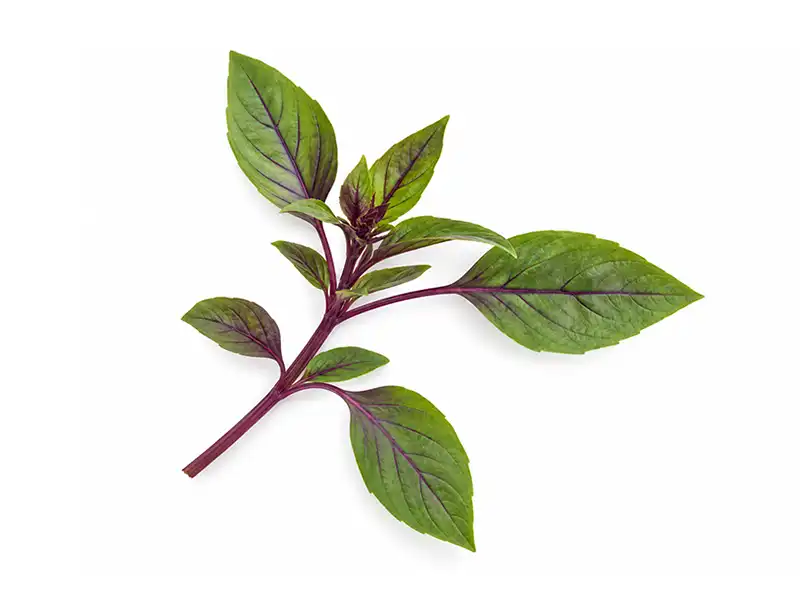
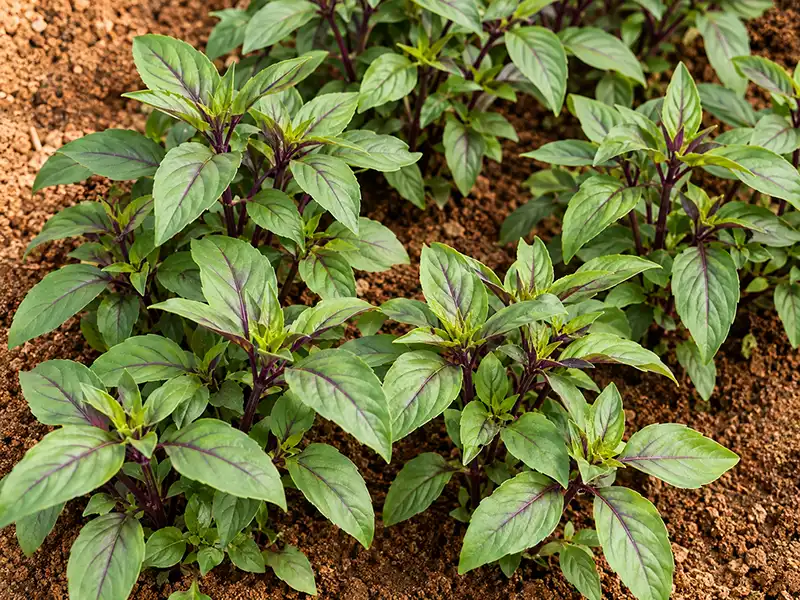
Thai Basil Microgreen Seeds
Grow aromatic Thai Basil microgreens with tender green leaves and a distinctive sweet, spicy and anise-like flavour. Thai Basil (Ocimum basilicum var. thyrsiflorum) produces attractive specialty microgreens with the characteristic fragrance and flavour of Thai basil in a young, tender crop.
Thai Basil microgreens are particularly suited to Thai and Southeast Asian dishes, salads, noodle dishes, curries and fresh garnishes. They grow more slowly than many common microgreens but are valued for their strong culinary aroma and distinctive flavour.
Seedmart Thai Basil seeds are untreated, non-hybrid and open-pollinated and can be grown as microgreens or grown on to produce mature Thai Basil plants.
Thai Basil Microgreen Seed Details
| Botanical name | Ocimum basilicum var. thyrsiflorum |
|---|---|
| Common name | Thai Basil |
| Seed type | Open-pollinated and non-hybrid |
| Seed treatment | Untreated |
| Pre-soak | Not recommended – basil seed becomes mucilaginous when wet |
| Sowing rate | Approximately 28 g per 10 × 20 inch tray |
| Growing medium | Quality soil, coco coir or suitable microgreen growing medium |
| Blackout period | Approximately 4–6 days |
| Typical harvest | Approximately 18–30 days |
| Flavour | Sweet and aromatic with distinctive anise and liquorice notes |
Why Grow Thai Basil Microgreens?
- Distinctive Thai basil flavour with sweet, spicy and anise-like notes.
- Tender young growth suitable for fresh culinary use and garnishing.
- Excellent for Thai, Vietnamese and other Southeast Asian dishes.
- Suitable for salads, noodle dishes, curries, stir-fries and specialty garnishes.
- Can be grown in soil, coco coir or other suitable microgreen growing media.
- No seed pre-soaking required.
- Untreated, non-hybrid and open-pollinated seed.
- Suitable for home growers, chefs and commercial microgreen production.
- Can also be grown on to produce mature Thai Basil plants.
How to Grow Thai Basil Microgreens
Thai Basil is a slower-growing specialty microgreen that prefers warm conditions. Basil seed is mucilaginous, meaning it develops a gelatinous coating when wet, so it should not normally be pre-soaked. For a standard 10 × 20 inch microgreen tray, approximately 28 grams of seed provides a useful starting sowing rate.
- Prepare the growing tray.
Add approximately 3–4 cm of moist quality growing medium to a shallow tray and gently level the surface. Quality soil, coco coir or another suitable microgreen growing medium can be used. - Sow the Thai Basil seeds.
Spread the dry seeds as evenly as possible across the surface. Aim for consistent coverage without allowing the seeds to form thick piles or clumps. - Mist carefully.
Use a fine spray mister to thoroughly moisten the seed and growing surface. The seeds will develop a gelatinous coating after becoming wet; this is normal for basil seed. - Cover the tray.
Cover with a tray lid or blackout dome and keep the tray in a warm, well-ventilated position during the initial germination period. A blackout period of approximately 4–6 days provides a useful starting point. - Maintain moisture during germination.
Check the tray regularly and mist or water as required to keep the growing medium consistently moist without waterlogging it. Avoid allowing the mucilaginous seed coating to dry excessively during establishment. - Introduce the seedlings to light.
After the initial germination period, remove the cover and move the tray into bright indirect natural light or beneath suitable artificial growing lights. - Water as the crop develops.
Once seedlings are established, bottom watering can help keep the foliage drier while maintaining consistent moisture around the roots. Provide good airflow and warm growing conditions. - Harvest the microgreens.
Thai Basil microgreens are generally ready approximately 18–30 days after sowing. Harvest when the crop has developed good colour, aroma and flavour. Cut the stems cleanly approximately 1–2 cm above the growing medium.
What Do Thai Basil Microgreens Taste Like?
Thai Basil microgreens have the distinctive aromatic flavour of Thai basil, combining familiar basil notes with a pronounced sweet anise or liquorice-like character. Their flavour can be quite concentrated despite the small size of the young plants.
The tender microgreens are particularly well suited to Thai and Vietnamese cuisine and can be used with curries, noodle dishes, stir-fries, salads and soups. They can also be used as a fresh garnish where their distinctive basil aroma and flavour complement the finished dish.
A Specialty Asian Culinary Microgreen
Thai Basil is particularly useful as a specialty microgreen where both flavour and presentation are important. The crop provides the characteristic aromatic qualities of mature Thai Basil while allowing the plants to be harvested at a much younger stage.
Use Thai Basil microgreens as a fresh finishing ingredient rather than cooking them for an extended period. They pair particularly well with dishes containing chilli, lime, coconut, noodles and other Southeast Asian flavours.
Thai Basil is slower to reach harvest than many standard microgreen varieties, so commercial growers should allow for its longer crop cycle when planning production. Its distinctive flavour can make it a useful addition to premium microgreen ranges and restaurant-focused production.
Frequently Asked Questions
How long do Thai Basil microgreens take to grow?
Thai Basil microgreens are generally ready for harvest approximately 18–30 days after sowing. Growth rate varies with temperature, light, moisture, sowing density and preferred harvest stage.
Do Thai Basil microgreen seeds need to be soaked?
No. Thai Basil seeds should not normally be pre-soaked. Basil seed is mucilaginous and develops a gelatinous coating when wet, making direct sowing onto the growing medium more practical.
How much Thai Basil seed should I use in a 10 × 20 tray?
Approximately 28 grams of Thai Basil seed per standard 10 × 20 inch tray provides a useful starting sowing rate. Growers can adjust the density according to their equipment, growing conditions and preferred finished crop.
Why do Thai Basil seeds become gelatinous when wet?
Basil seeds are naturally mucilaginous. When water is absorbed, a gelatinous coating forms around each seed. This is normal and does not indicate that the seed is deteriorating.
Do Thai Basil microgreens need a blackout period?
A short covered or blackout period can be used during initial establishment. Approximately 4–6 days provides a useful starting point, after which the developing seedlings should be exposed to suitable natural or artificial growing light.
Can Thai Basil microgreens be grown without soil?
Yes. Thai Basil can be grown in suitable soilless microgreen systems, including coco coir and hydroponic growing systems. The growing system should maintain reliable moisture while also allowing appropriate drainage and airflow.
What do Thai Basil microgreens taste like?
Thai Basil microgreens have an aromatic basil flavour with distinctive sweet anise and liquorice-like notes. The flavour can be more concentrated than that of mature leaves.
When should Thai Basil microgreens be harvested?
Harvest is generally around 18–30 days after sowing. Cut the stems cleanly above the growing medium once the crop has developed good colour, aroma and the flavour intensity you prefer.
Is Thai Basil the same as Holy Basil?
No. Thai Basil and Holy Basil are different basil types. Thai Basil has a sweeter flavour with pronounced anise or liquorice notes, while Holy Basil generally has a more peppery, spicy and clove-like aromatic character.
Can these seeds also be grown as mature Thai Basil?
Yes. The same Thai Basil seed can be grown beyond the microgreen stage to produce mature herb plants. Thai Basil is a warm-season, frost-tender herb that performs best under warm growing conditions.
Where can I buy Thai Basil microgreen seeds in Australia?
Seedmart supplies Thai Basil seed in packet and bulk quantities for home growers, chefs, market gardeners, restaurants and commercial microgreen production throughout Australia.
Reviews
There are no reviews yet.