
Peppermint Microgreen Seeds
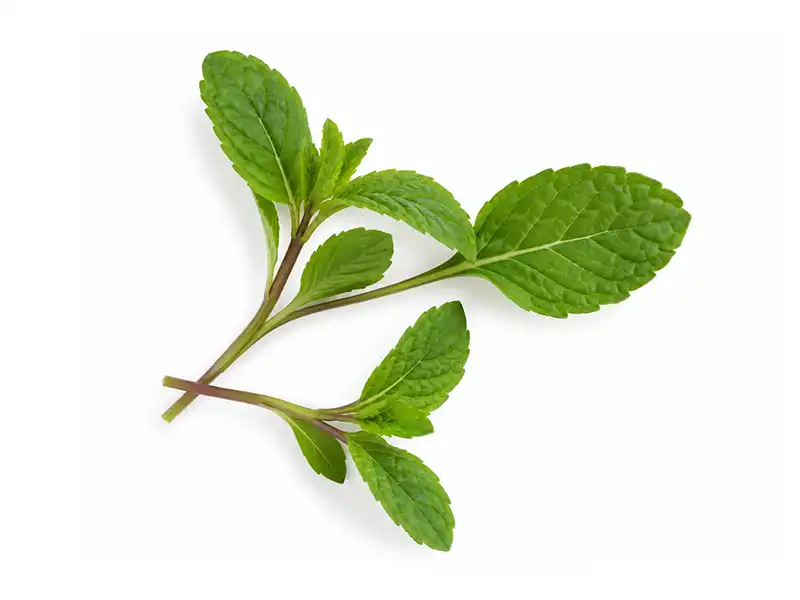
Grow aromatic Peppermint microgreens with delicate green leaves and a fresh, cooling mint flavour. Peppermint (Mentha × piperita) produces fine, intensely aromatic microgreens that develop the characteristic fragrance and flavour associated with mature peppermint.
Peppermint is a slower-growing specialty microgreen rather than a rapid crop such as broccoli or radish. Its distinctive flavour and attractive young foliage make it particularly useful for desserts, drinks, fruit dishes, salads and premium culinary garnishes.
Seedmart Peppermint seeds are untreated and open-pollinated and can be grown as microgreens or grown on to produce mature perennial herb plants.
Peppermint Microgreen Seed Details
| Botanical name | Mentha × piperita |
|---|---|
| Common name | Peppermint |
| Seed type | Open-pollinated |
| Seed treatment | Untreated |
| Seeds per gram | Approximately 12,000 |
| Pre-soak | Not required |
| Sowing rate | Approx. 0.5–1 g per 10 × 20 inch tray as a starting rate |
| Growing medium | Fine soil, coir or suitable fine-textured microgreen growing medium |
| Germination | Approximately 7–14 days |
| Typical harvest | Approximately 18–30 days |
| Flavour | Fresh, cooling and strongly minty |
Why Grow Peppermint Microgreens?
- Distinctive fresh, cooling peppermint flavour and aroma.
- Fine green foliage suitable for premium culinary presentation.
- Excellent specialty microgreen for desserts, drinks, fruit and garnishes.
- Very fine seed means only a small quantity is required per tray.
- No seed pre-soaking required.
- Untreated and open-pollinated seed.
- Can also be grown on to produce mature Peppermint plants.
- Suitable for home growers, restaurants and specialty microgreen production.
How to Grow Peppermint Microgreens
Peppermint is a slow-growing specialty microgreen with extremely fine seed. Unlike many common microgreens, Peppermint should be surface sown and provided with light during germination rather than being placed under a dark weighted tray. For a standard 10 × 20 inch tray, approximately 0.5–1 gram of seed provides a useful starting sowing rate.
- Prepare the growing tray.
Add approximately 2–3 cm of moist, fine-textured growing medium to a shallow tray and gently level the surface. Fine seed-raising mix, coir or another suitable microgreen growing medium can be used. - Sow the Peppermint seeds.
Spread the very fine seed thinly and as evenly as possible over the surface. Peppermint contains thousands of seeds per gram, so the tray should not have the dense visible seed layer used for larger-seeded microgreens. - Surface sow the seed.
Leave the seeds on or very close to the surface rather than burying them. Gently press if necessary to improve contact between the seed and moist growing medium. - Mist carefully.
Use a fine spray to moisten the seed and surface without washing the tiny seeds into concentrated patches. - Provide light during germination.
Do not use an opaque blackout tray or weighted cover. Place the tray in bright indirect natural light or beneath suitable grow lights. A clear humidity dome can be used if required to help prevent the surface from drying during germination. - Maintain consistent moisture.
Keep the surface evenly moist without saturating the growing medium. Peppermint can germinate gradually and somewhat unevenly, commonly taking approximately 7–14 days. - Water carefully as seedlings establish.
Once the roots are established, bottom watering can help maintain moisture while reducing prolonged wetness on the foliage. Provide good airflow as the crop develops. - Harvest the microgreens.
Peppermint microgreens can generally be harvested approximately 18–30 days after sowing. Allowing the first small true leaves to develop produces the recognisable mint foliage and a stronger peppermint aroma. Cut cleanly just above the growing medium.
What Do Peppermint Microgreens Taste Like?
Peppermint microgreens have a fresh, cooling mint flavour with the distinctive aromatic character associated with Peppermint. Their small size and concentrated aroma make them particularly useful where a fresh mint flavour is wanted without using larger mature leaves.
Freshly harvested Peppermint microgreens can be used with fruit, desserts, yoghurt, salads and cold drinks, or as a garnish for cakes, plated dishes and other sweet or savoury foods.
A Specialty Culinary Microgreen
Peppermint is best considered a specialty micro herb rather than a high-volume, rapid-turnover microgreen. The crop takes longer to establish than broccoli, radish, mustard and many other common microgreens, but provides a distinctive flavour that can be particularly useful for chefs and specialty growers.
For culinary presentation, growers may allow the crop to develop its first true leaves before harvesting. These young leaves begin to show the recognisable shape and aroma of Peppermint while remaining small enough for use as a microgreen garnish.
Because the seeds are exceptionally fine, only a small amount of seed is required for each tray. Careful sowing and moisture management are more important than achieving the dense crop normally associated with larger and faster-growing microgreen varieties.
Frequently Asked Questions
How long do Peppermint microgreens take to grow?
Peppermint is a relatively slow-growing specialty microgreen. Harvest is generally around 18–30 days after sowing, depending on germination speed, temperature, light and preferred harvest stage.
Do Peppermint microgreen seeds need to be soaked?
No. Peppermint seed does not normally require pre-soaking. The seeds are extremely small and are best sown dry onto the surface of a moist growing medium.
How much Peppermint seed should I use in a 10 × 20 tray?
Approximately 0.5–1 gram per standard 10 × 20 inch tray provides a useful starting range. Peppermint contains approximately 12,000 seeds per gram, so a relatively small amount of seed provides thousands of individual plants.
How long does Peppermint take to germinate?
When grown as a microgreen, Peppermint commonly germinates over approximately 7–14 days. Emergence may be gradual and somewhat uneven, so maintain consistent surface moisture while allowing sufficient time for germination.
Should Peppermint microgreens have a blackout period?
A dark blackout period is not recommended. Peppermint seed is best surface sown with access to light during germination. If additional humidity is required, a clear humidity dome can be used rather than an opaque cover.
Should Peppermint seeds be covered with soil?
Peppermint seed should be surface sown or pressed very lightly into the growing medium rather than buried. The fine seeds require good contact with the moist surface and access to light for reliable germination.
What do Peppermint microgreens taste like?
They have a fresh, cooling and aromatic mint flavour. Their distinctive flavour makes them particularly suitable for desserts, fruit, drinks, salads and specialty garnishes.
When should Peppermint microgreens be harvested?
Harvest can begin once the plants have reached a useful size and developed good mint aroma. Allowing the first small true leaves to develop gives the crop a more recognisable mint appearance and flavour. This is commonly around 18–30 days after sowing.
Can these seeds also be grown as mature Peppermint?
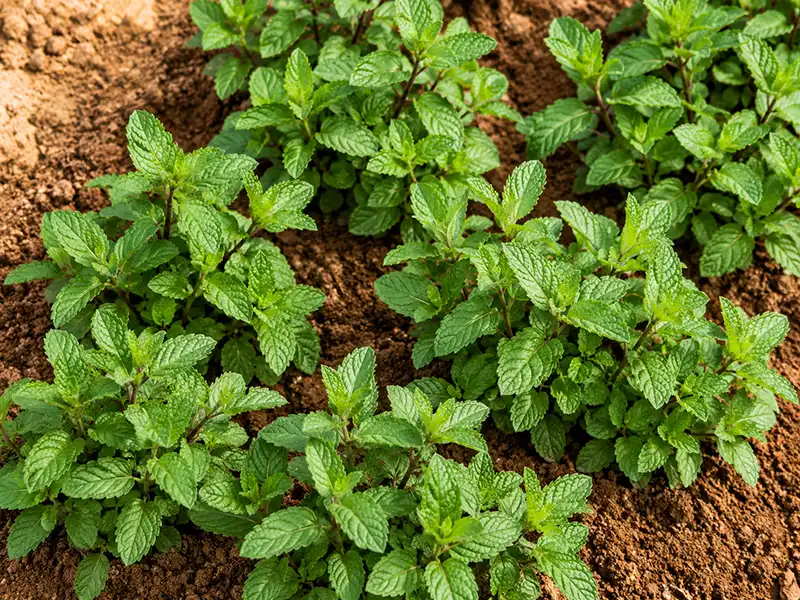
Yes. Mentha × piperita can be grown beyond the microgreen stage to produce mature perennial herb plants. Established Peppermint has a spreading habit and is often grown in containers to keep the plants contained.
Where can I buy Peppermint microgreen seeds in Australia?
Seedmart supplies untreated Peppermint seed in packet and bulk quantities for home growers, restaurants, market gardeners and specialty microgreen production throughout Australia.
Reviews
There are no reviews yet.