
Basil Dark Opal Microgreen Seeds
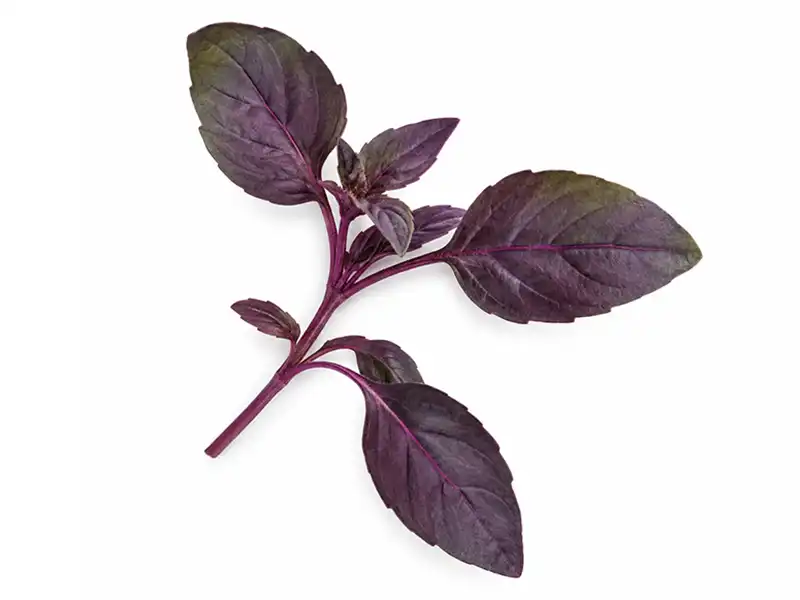
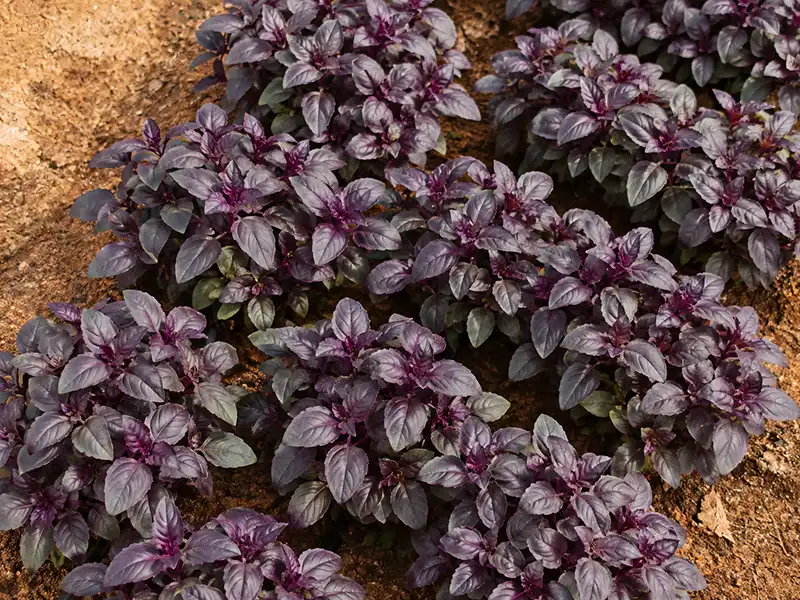
Grow colourful Dark Opal basil microgreens with aromatic purple foliage and classic basil flavour. Dark Opal basil microgreen seeds produce attractive seedlings with rich purple to burgundy colouring, sometimes accompanied by green tones. Their distinctive colour and aromatic basil flavour make them particularly useful as a premium garnish and culinary microgreen.
Dark Opal basil is slower growing than many common microgreen varieties such as broccoli, radish and mustard. It is generally grown for its distinctive appearance, aroma and flavour rather than for rapid crop turnover.
Seedmart Dark Opal basil seeds are untreated, heirloom and open-pollinated seed suitable for growing as either microgreens or mature culinary herbs.
Dark Opal Basil Microgreen Seed Details
| Botanical name | Ocimum basilicum |
|---|---|
| Variety | Dark Opal |
| Seed type | Heirloom and open-pollinated |
| Seed treatment | Untreated |
| Seeds per gram | Approximately 500–1,000 |
| Pre-soak | Do not soak |
| Approximate sowing rate | Approximately 10–15 g per 10 × 20 inch tray as a starting rate |
| Growing medium | Fine soil or quality seed-raising / microgreen growing medium |
| Germination | Approximately 5–10 days under suitable warm conditions |
| Typical harvest | Approximately 18–25 days, depending on growing conditions and preferred harvest stage |
| Colour | Purple to burgundy foliage, with some green variation possible |
Why Grow Dark Opal Basil Microgreens?
- Distinctive purple to burgundy foliage provides excellent colour contrast.
- Aromatic basil flavour suited to salads, garnishes and fresh dishes.
- Particularly attractive for restaurants, chefs and specialty microgreen growers.
- Can be grown indoors under suitable growing lights.
- No seed pre-soaking required.
- Untreated heirloom and open-pollinated seed.
- The same seed can also be grown on to produce mature Dark Opal basil plants.
- Suitable for home and commercial microgreen production.
How to Grow Dark Opal Basil Microgreens
Basil requires a slightly different growing method from many fast-growing microgreens. When wet, basil seeds develop a gelatinous coating around the seed. For this reason, they should not be pre-soaked. Sow the dry seed directly and evenly onto a moist growing medium.
- Prepare the growing tray.
Add approximately 3–4 cm of moist, fine-textured growing medium to a shallow tray. Level the surface gently without heavily compacting it. - Sow the Dark Opal basil seeds.
Spread the dry seed evenly across the surface. Approximately 10–15 grams per standard 10 × 20 inch tray can be used as a starting rate, with density adjusted according to growing conditions and the preferred finished crop. - Mist the seeds carefully.
Mist thoroughly enough to wet the seeds and growing surface. The seeds will begin developing a translucent, gelatinous coating after they absorb moisture. This is normal for basil. - Keep warm and moist during germination.
Maintain consistent moisture without saturating the growing medium. Basil generally germinates best under warm conditions. Avoid allowing the seed surface to dry out during establishment. - Provide light after germination.
Once the seedlings emerge, provide suitable natural or artificial growing light. Adequate light helps produce compact growth and encourages the characteristic colour of Dark Opal basil. - Water carefully.
As the seedlings establish, bottom watering can help keep the foliage drier and reduce excess surface moisture. Allow adequate airflow around the tray and avoid persistently saturated conditions. - Harvest the microgreens.
Dark Opal basil microgreens are generally harvested once the cotyledons have developed well and the crop has reached the desired size and colour. This is commonly around 18–25 days after sowing, although growth rate varies considerably with temperature, light and growing conditions. Cut cleanly just above the growing medium.
What Do Dark Opal Basil Microgreens Taste Like?
Dark Opal basil microgreens have a distinctive aromatic basil flavour with sweet and mildly spicy notes. The flavour is recognisably basil-like, making the microgreens useful wherever a fresh basil character is wanted in a smaller, colourful form.
Their purple to burgundy foliage provides particularly attractive contrast in salads, plated dishes, sandwiches and garnishes. They pair well with tomatoes, fresh cheeses, pasta dishes and Mediterranean-style foods.
Why Grow Purple Basil Microgreens?
Dark Opal is particularly valued as a microgreen for its colour. Unlike standard green basil varieties, Dark Opal develops predominantly purple to burgundy foliage, although individual seedlings can show some green colouring or variation.
Colour intensity can be influenced by genetics and growing conditions, particularly light. Providing good-quality light after germination helps the developing seedlings achieve their characteristic pigmentation.
For commercial growers, purple basil can be particularly useful as a contrasting component in microgreen mixes or as a specialty crop supplied separately to restaurants, caterers and chefs.
Frequently Asked Questions
How long do Dark Opal basil microgreens take to grow?
Dark Opal basil is slower growing than many common microgreens. Harvest is commonly around 18–25 days after sowing, depending on temperature, light, growing conditions and the preferred harvest stage.
Should Dark Opal basil seeds be soaked before sowing?
No. Basil seed should not normally be pre-soaked for microgreen production. The seeds develop a gelatinous coating when wet and can clump together, making them difficult to distribute evenly.
Why do basil seeds become slimy or gelatinous when wet?
This is normal. Basil seeds are mucilaginous and develop a clear gelatinous coating after absorbing water. It is a natural characteristic of the seed rather than an indication that the seed is deteriorating.
How much Dark Opal basil seed should I use in a 10 × 20 tray?
Approximately 10–15 grams per standard 10 × 20 inch tray provides a practical starting range. The ideal density can vary with the growing system, seed lot, environmental conditions and preferred finished crop.
Are Dark Opal basil microgreens completely purple?
Dark Opal is grown for its rich purple to burgundy colouring, but some variation is normal and individual seedlings may display green colouring. Light levels and other growing conditions can also influence colour development.
Do Dark Opal basil microgreens need light?
Yes. After germination, provide suitable natural or artificial growing light. Adequate light supports compact seedling growth and good colour development.
What do Dark Opal basil microgreens taste like?
They have an aromatic basil flavour with sweet and mildly spicy notes. Their flavour and striking colour make them particularly useful in salads and as a fresh culinary garnish.
Can these seeds also be grown as mature basil?
Yes. Dark Opal is a culinary basil variety. The same untreated seed can be grown beyond the microgreen stage to produce mature plants with attractive purple foliage.
Is Dark Opal basil suitable for commercial microgreen growers?
Yes. Dark Opal can be grown as a specialty microgreen for its distinctive colour, aroma and culinary value. It generally has a longer production cycle than fast-growing crops such as radish and broccoli, so commercial growers should account for the additional tray time when planning production.
Where can I buy Dark Opal basil microgreen seeds in Australia?
Seedmart supplies Dark Opal basil seed in packet and bulk quantities for home growers, microgreen growers, market gardeners and businesses throughout Australia.
Reviews
There are no reviews yet.