

Thai Basil Herb Seeds – Singapore
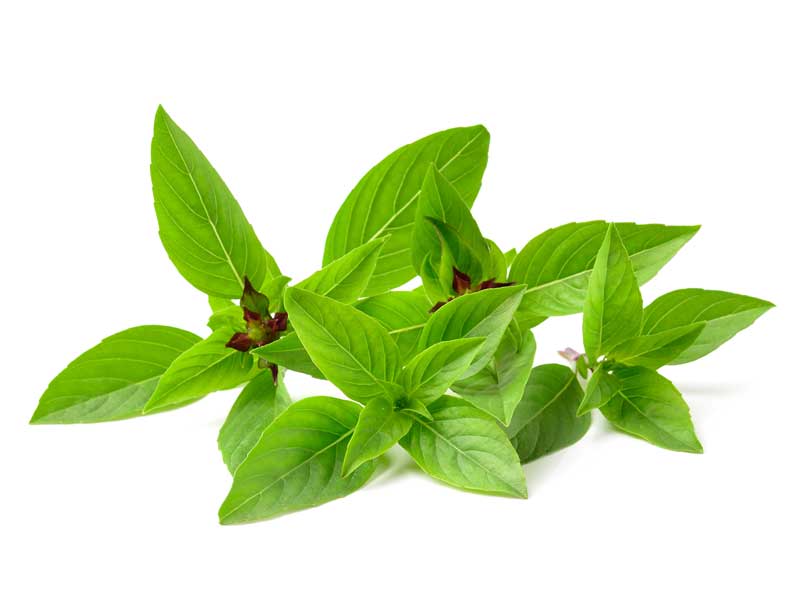
Untreated Thai basil seed for growing aromatic fresh herbs in Singapore. A heat-loving culinary basil with distinctive green leaves, purple stems and a sweet, aromatic flavour with aniseed and clove-like notes.
Thai basil is an open-pollinated, non-hybrid variety valued in Thai and Southeast Asian cooking. Plants develop attractive green foliage, purple stems and pale lavender to purple flowers, making Thai basil useful as both a productive culinary herb and an ornamental addition to the garden.
Well suited to Singapore’s tropical climate, Thai basil thrives in warm conditions and can be grown in garden beds, raised beds and containers. Regular harvesting encourages bushier growth and a continued supply of aromatic leaves.
Thai Basil Herb Seed Details
| Botanical name | Ocimum basilicum var. thyrsiflora |
|---|---|
| Variety | Thai Basil |
| Seed type | Open-pollinated, non-hybrid |
| Seed treatment | Untreated – no chemical treatment |
| GMO status | Non-GMO |
| Plant type | Warm-season annual herb |
| Plant height | Up to approximately 60 cm |
| Sowing depth | Surface sow; press gently into soil without covering heavily |
| Germination | Approximately 7–14 days |
| Plant spacing | Approximately 30–45 cm |
| Position | Full sun; partial shade tolerated in hot climates |
| Leaf harvest | From approximately 80 days after sowing |
| Fulfilment | Stocked and dispatched in Singapore |
Why Grow Thai Basil?
- Aromatic culinary herb widely used in Thai and Southeast Asian dishes.
- Sweet, distinctive flavour with aniseed and clove-like notes.
- Heat-loving basil well suited to Singapore’s tropical climate.
- Attractive green foliage with purple stems and pale lavender to purple flowers.
- Suitable for garden beds, raised beds and containers.
- Regular harvesting encourages bushier growth and continued leaf production.
- Untreated, non-GMO, open-pollinated seed.
How to Grow Thai Basil in Singapore
Thai basil enjoys warmth and is well suited to Singapore’s tropical growing conditions. Choose a bright, well-ventilated position with fertile, free-draining soil. Full sun is preferred, although some partial shade can be beneficial where plants are exposed to particularly intense heat.
- Prepare the growing area.
Choose fertile, well-drained soil or quality potting mix enriched with compost. Thai basil can be grown directly in garden beds, raised beds or containers. - Sow the seeds.
Surface sow the small Thai basil seeds and press them gently against the moist growing medium. Avoid burying the seeds deeply. - Maintain moisture.
Keep the growing medium consistently moist but not waterlogged while the seeds germinate. Germination commonly takes approximately 7–14 days. - Thin or transplant seedlings.
Once seedlings are established, allow approximately 30–45 cm between mature plants to provide room for branching and good airflow. - Encourage bushy growth.
Pinch the growing tips regularly as plants become established. Removing developing flower buds when leaf production is the priority helps encourage branching and prolong the leafy harvest. - Water consistently.
Maintain even soil moisture, particularly during hot weather, while ensuring excess water drains freely. Avoid keeping the root zone continuously saturated. - Harvest regularly.
Begin harvesting established leaves and young shoots as plants become sufficiently developed, with the main leaf harvest from around 80 days after sowing. Frequent picking encourages continued branching and fresh growth.
Flavour & Uses
Thai basil has a distinctive sweet, aromatic flavour with noticeable aniseed and clove-like notes. Compared with many sweet basil varieties, its flavour is particularly well suited to the aromatic and spicy dishes of Southeast Asian cuisine.
Fresh leaves can be used in Thai curries, stir-fries, noodle dishes, soups, salads and rice dishes, or added as a fresh garnish. Adding the leaves towards the end of cooking helps retain their characteristic aroma and flavour.
Thai Basil Seeds for Singapore
Thai basil is particularly well suited to home herb gardens in Singapore because it enjoys warm growing conditions and does not require a large amount of space. Plants can be grown in garden beds, raised beds or individual containers on sunny balconies and patios.
Regular harvesting can provide an ongoing supply of fresh aromatic leaves, while the attractive purple stems and flower spikes add ornamental value to the garden.
This Singapore range is stocked locally, with seed dispatched within Singapore rather than individually shipped from Australia.
Frequently Asked Questions
Can Thai basil be grown in Singapore?
Yes. Thai basil prefers tropical, subtropical and warm growing conditions, making it well suited to Singapore. Good drainage and airflow are particularly important because of Singapore’s high rainfall and humidity.
Can Thai basil be grown year-round in Singapore?
Thai basil can grow through much of the year in Singapore’s warm climate. However, prolonged periods of heavy rainfall and very high humidity can increase disease pressure, so protected growing positions with good airflow and drainage can be beneficial during the wettest conditions.
How long does Thai basil take to germinate?
Thai basil seed typically germinates in approximately 7–14 days under suitable warm and moist growing conditions.
How long does Thai basil take to harvest?
Leaves can be picked once plants are sufficiently established, with the main harvest beginning from approximately 80 days after sowing. Regular harvesting encourages new shoots and bushier growth.
Does Thai basil need full sun?
Full sun is generally preferred. In very hot tropical conditions, Thai basil can also tolerate partial shade, particularly protection from intense afternoon sun.
Can Thai basil be grown in containers?
Yes. Thai basil grows well in pots and containers. Use fertile, free-draining potting mix and ensure the container has adequate drainage holes.
Should I remove Thai basil flowers?
If producing leaves is the priority, pinch off developing flower buds to encourage continued leafy growth. Flowers can be allowed to develop when flowering or seed production is desired.
What does Thai basil taste like?
Thai basil has a sweet, aromatic basil flavour with characteristic aniseed and clove-like notes. It is commonly used in Thai and other Southeast Asian cuisines.
Is this Thai basil seed treated?
No. This Thai basil seed is supplied untreated and is also non-GMO, non-hybrid and open-pollinated.
Where are Singapore orders dispatched from?
This product is stocked and dispatched locally in Singapore.
Is this product shipped from Australia?
No. Although orders are placed through the Seedmart Australia website, this product is held in Singapore and Singapore orders are packed and dispatched locally.
Where can I buy Thai basil seeds in Singapore?
Seedmart supplies Thai basil herb seeds online for customers in Singapore, with stock held and fulfilled locally in Singapore.
Reviews
There are no reviews yet.