
Victorian Perennial Ryegrass Lawn Seeds
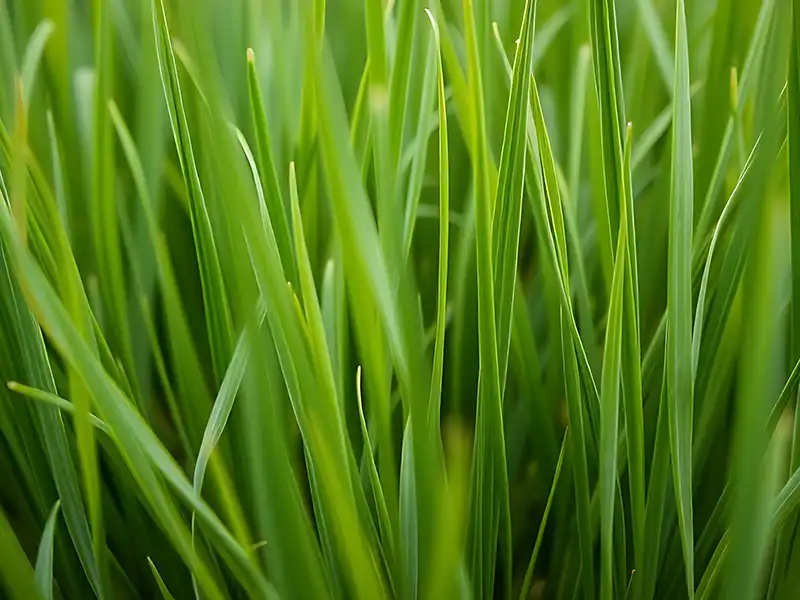
Establish a fast-growing, fine-textured green lawn with Victorian Perennial Ryegrass, a cool-season perennial grass suited to lawns, overseeding, recreational areas and general-purpose turf.
Victorian Perennial Ryegrass (Lolium perenne) is a cool-season perennial grass valued for rapid germination, strong establishment and attractive green growth. It is particularly well suited to temperate and cooler regions where moderate temperatures support active growth.
Perennial ryegrass is widely used in home lawns, parks, recreational turf, lawn repairs and overseeding. Its fast establishment makes it particularly useful where quick green cover is required, while regular mowing encourages a dense and even turf surface.
Victorian Perennial Ryegrass performs best during the cooler months and is particularly suited to southern and temperate regions of Australia. It can also be used to provide temporary winter colour when overseeding suitable warm-season lawns.
Victorian Perennial Ryegrass Seed Details
Why Choose Victorian Perennial Ryegrass Lawn Seed?
- Fast germination and establishment for quicker lawn cover under suitable conditions.
- Produces an attractive, fine to medium-textured green lawn.
- Well suited to cool-season lawn establishment and lawn repairs.
- Useful for overseeding suitable warm-season lawns for winter colour.
- Responds well to regular mowing and appropriate lawn maintenance.
- Suitable for residential lawns, recreational areas and general landscaping.
- Provides rapid cover to help fill bare or thinning lawn areas.
- Best suited to temperate and cooler Australian growing conditions.
Where to Use Victorian Perennial Ryegrass
| Home lawns | Suitable for establishing green, cool-season residential lawns in temperate areas. |
|---|---|
| Lawn repairs | Rapid establishment makes ryegrass useful for repairing bare or thinning lawn areas. |
| Recreational areas | Suitable for general-purpose recreational turf where fast establishment is desirable. |
How to Sow Victorian Perennial Ryegrass Lawn Seed
Good seedbed preparation and consistent moisture are important for successful lawn establishment. Ryegrass establishes quickly under favourable conditions, but the seedbed should not be allowed to dry out during germination.
- Remove weeds and unwanted growth.
Clear existing weeds, debris and unwanted vegetation before preparing the lawn area. - Prepare a fine, level seedbed.
Loosen compacted soil and rake the surface until it is reasonably fine and even. Improve poor soils with suitable compost or lawn soil amendments where required. - Broadcast the seed evenly.
For new lawns, sow approximately 30–50 g per m². For lawn repairs or overseeding, approximately 20–30 g per m² can be used depending on the existing lawn density. - Lightly cover the seed.
Rake the seed gently into the surface or cover with approximately 5–10 mm of fine soil or suitable lawn topdressing. - Improve seed-to-soil contact.
Gently roll or press the surface after sowing to provide good contact between the seed and moist soil. - Water gently.
Use a fine spray to moisten the seedbed thoroughly without washing the seed away. - Maintain consistent moisture.
Keep the upper soil layer moist throughout germination and early establishment. Avoid allowing newly germinated seedlings to dry out. - Begin mowing once established.
Allow the young grass to establish sufficient height and root strength before the first mow. Avoid removing more than approximately one-third of the leaf height at one time.
Seed Quantity & Lawn Coverage
Coverage varies according to sowing rate, lawn preparation, soil conditions and the density required. The following figures are suitable as a general guide for new lawn establishment at approximately 30–50 g per m².
| Seed Quantity | Approximate New Lawn Coverage |
|---|---|
| 250 g | Approximately 5–8 m² |
| 1 kg | Approximately 20–33 m² |
| 5 kg | Approximately 100–165 m² |
| 10 kg | Approximately 200–330 m² |
Coverage figures are approximate. Actual seed requirements vary according to seedbed preparation, establishment conditions, desired turf density and whether the seed is being used for a new lawn or overseeding.
When to Sow Victorian Perennial Ryegrass in Australia
Victorian Perennial Ryegrass is a cool-season grass that establishes best during mild conditions with adequate soil moisture. The optimum sowing period varies according to climate.
| Climate | General Sowing Guide |
|---|---|
| Tropical | Generally not recommended as a permanent lawn grass in hot tropical conditions. It may have limited use during the coolest part of the year. |
| Subtropical | Best sown during autumn and the cooler months. Often more useful for seasonal overseeding than as a permanent lawn. |
| Temperate | Autumn and spring are generally the preferred establishment periods when temperatures are mild and reliable moisture is available. |
| Cool / frost-prone | Spring or early autumn can provide suitable establishment conditions. Avoid sowing immediately before severe frost where young seedlings may be stressed. |
| Arid | Establishment requires reliable irrigation or suitable rainfall. Avoid establishing during periods of high heat and rapid soil drying. |
For best results, select the sowing period according to local temperature, available moisture and expected summer conditions rather than relying on calendar dates alone.
Lawn Care & Maintenance
- Keep the seedbed consistently moist during germination and early establishment.
- Avoid heavy traffic until the new lawn has developed a strong root system.
- Begin mowing once the grass is well established and has reached a suitable mowing height.
- Avoid removing more than approximately one-third of the leaf height during a single mow.
- Regular mowing encourages a denser and more uniform lawn appearance.
- Provide adequate moisture during extended dry periods, particularly in warmer weather.
- Light seasonal fertilising can help maintain colour and turf density where required.
- Performance may decline during prolonged hot weather, particularly in warmer Australian climates.
About Cool-Season Perennial Ryegrass
Victorian Perennial Ryegrass is a cool-season grass, meaning its strongest growth generally occurs when conditions are mild rather than during prolonged summer heat.
This makes it particularly useful for temperate lawns and for seasonal overseeding of compatible warm-season turf. In warmer subtropical regions, perennial ryegrass may provide excellent winter colour but can decline as temperatures rise.
Unlike spreading grasses such as Couch, perennial ryegrass develops primarily as a tufted or bunch-forming grass. Good initial sowing density and regular lawn maintenance therefore help produce an even turf surface.
Frequently Asked Questions
What is Victorian Perennial Ryegrass?
Victorian Perennial Ryegrass (Lolium perenne) is a cool-season perennial grass that can be used for lawns, recreational turf, repairs and overseeding. It is valued for rapid establishment and attractive green growth.
Is perennial ryegrass suitable for lawns?
Yes. Perennial ryegrass is widely used in lawn and turf applications, particularly in cool and temperate climates. It is also commonly included in turf seed mixtures.
How much Victorian Perennial Ryegrass seed do I need?
For new lawn establishment, use approximately 30–50 g per m². For repairing or overseeding existing turf, approximately 20–30 g per m² can be used depending on the density of the existing lawn.
How much area will 1 kg cover?
At approximately 30–50 g per m², 1 kg will cover around 20–33 m² when establishing a new lawn.
How deep should I sow perennial ryegrass?
Sow approximately 5–10 mm deep. Broadcast the seed evenly across a well-prepared seedbed, then lightly rake or cover the seed and gently firm the soil.
Does perennial ryegrass germinate quickly?
Yes. Perennial ryegrass is regarded as a fast-establishing turf grass when soil moisture and temperatures are favourable.
Can Victorian Perennial Ryegrass be used to repair bare lawn patches?
Yes. Its rapid establishment makes perennial ryegrass particularly useful for repairing bare or thinning lawn areas during suitable cool-season conditions.
Can I overseed Couch or other summer lawns with perennial ryegrass?
Yes, perennial ryegrass can be used for seasonal winter overseeding of suitable warm-season turf. The ryegrass provides green growth during cooler conditions and generally declines as hotter weather returns.
Is perennial ryegrass suitable for Queensland?
It can be useful in cooler parts of Queensland and as a seasonal winter lawn or overseeding grass in subtropical areas. It is generally not the best choice for a permanent lawn in hot tropical or strongly subtropical conditions.
Is Victorian Perennial Ryegrass suitable for NSW?
Yes. It is particularly useful in cooler and temperate parts of NSW, including areas where mild autumn and spring conditions favour cool-season turf growth.
Does perennial ryegrass spread?
Traditional perennial ryegrass has a tufted growth habit rather than spreading aggressively by runners like Couch Grass. For this reason, correct sowing density is important when establishing a lawn.
How often should newly sown ryegrass be watered?
Keep the upper soil layer consistently moist during germination and early establishment. Use gentle, frequent watering as required to prevent the seedbed from drying out, then reduce watering frequency as the root system develops.
When can I mow a new perennial ryegrass lawn?
Begin mowing once the seedlings are firmly established and have developed sufficient height and root strength. Avoid removing more than approximately one-third of the leaf growth in a single mow.
Reviews
There are no reviews yet.