
Chilli ‘Thai Hot’ Vegetable Seeds
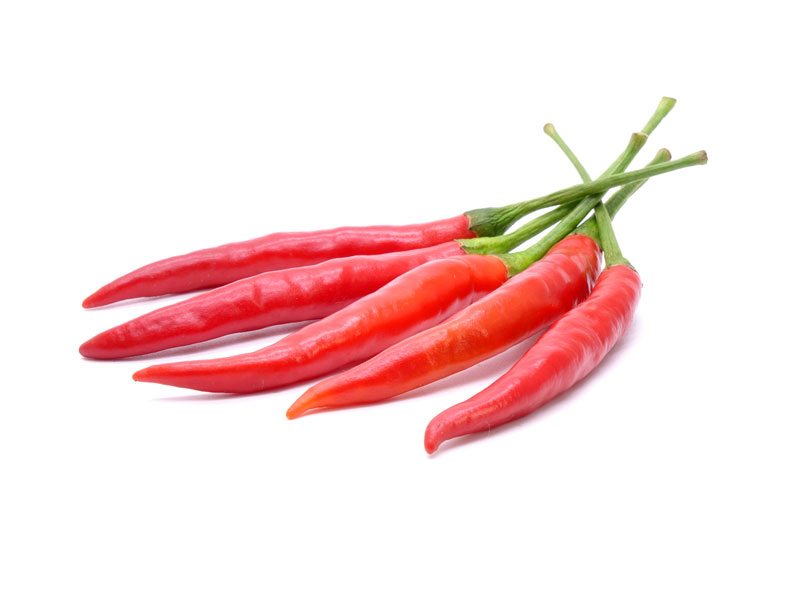
Grow fiery Thai Hot chillies at home for fresh Asian cooking, sauces, chilli pastes and drying. Thai Hot Chilli (Capsicum annuum) is a compact, highly productive chilli variety producing masses of small, slender fruits with an intense heat and classic Thai-style chilli flavour.
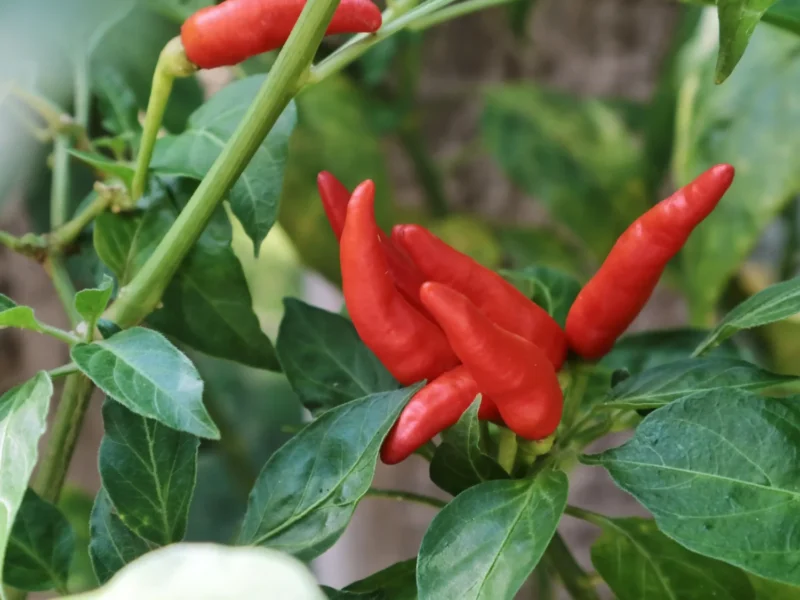
The upright fruits mature from green to bright red and can be harvested at either stage. With a typical heat level of approximately 50,000–100,000 Scoville Heat Units (SHU), Thai Hot delivers considerably more heat than mild chilli varieties while remaining extremely versatile in the kitchen.
Well suited to Australia’s warm growing conditions, Thai Hot Chilli can be grown in vegetable gardens, raised beds and containers. Its compact growth habit and prolific fruiting also make it an excellent choice where growing space is limited.
Thai Hot Chilli Seed Details
| Botanical name | Capsicum annuum |
|---|---|
| Variety | Thai Hot |
| Seed treatment | Treated seed |
| Packet size | 100 seeds |
| Plant type | Warm-season, frost-tender chilli |
| Plant height | Approximately 60–80 cm |
| Fruit colour | Green, ripening to bright red |
| Heat level | Hot – approximately 50,000–100,000 SHU |
| Position | Full sun |
| Sowing depth | Approximately 5–8 mm |
| Plant spacing | Approximately 40–50 cm |
| Harvest | Approximately 80–100 days, depending on growing conditions |
Why Grow Thai Hot Chilli?
- Produces hot chillies with approximately 50,000–100,000 Scoville Heat Units.
- Excellent variety for Thai, Southeast Asian and other spicy cuisines.
- Small upright fruits ripen from green to bright red.
- Compact plants are suitable for garden beds, raised beds and containers.
- Highly productive plants can produce chillies over an extended season.
- Fruit can be harvested green or allowed to fully ripen to red.
- Excellent for eating fresh, cooking, drying and making chilli pastes and sauces.
- Regular harvesting encourages plants to continue flowering and fruiting.
How to Grow Thai Hot Chilli from Seed
Thai Hot Chilli is a warm-season crop that performs best with plenty of sun, warmth and a long growing season. Chilli seeds germinate most reliably in warm conditions, so gardeners in cooler areas can start seeds indoors before outdoor temperatures are suitable.
- Choose a warm, sunny position.
Select a location receiving full sun. Chillies require warmth and good light to produce strong plants and abundant fruit. - Prepare a fertile, free-draining soil.
Thai Hot Chilli performs best in fertile, well-drained soil. Incorporate compost or well-rotted organic matter before planting where required. A slightly acidic soil around pH 5.5–6.5 is suitable. - Sow the chilli seeds.
Sow approximately 5–8 mm deep into seedling trays, cells or small pots filled with a quality seed-raising mix. Cover lightly and water gently. - Keep the seeds warm.
Chilli seeds require warm conditions for reliable germination. Keep the growing medium consistently moist but not waterlogged while seedlings establish. - Transplant once conditions are warm.
Transplant established seedlings outdoors after frost danger has passed and the soil has warmed. Harden seedlings gradually before planting them into their permanent position. - Space plants correctly.
Allow approximately 40–50 cm between plants to provide adequate room for growth, airflow and fruit development. - Water consistently.
Maintain reasonably even soil moisture, particularly during flowering and fruit development. Avoid allowing plants to repeatedly dry out completely between watering. - Harvest regularly.
Pick chillies green for a fresher flavour or leave them on the plant to develop their mature bright-red colour and full heat. Regular harvesting can encourage continued fruit production.
When to Plant Chilli Seeds in Australia
Thai Hot Chilli prefers warm growing conditions and is sensitive to frost. The best sowing period depends on your local climate, with gardeners in cooler regions benefiting from starting seeds indoors before spring conditions are warm enough for transplanting.
| Climate | General Sowing Guide |
|---|---|
| Tropical | Can be grown through much of the year; avoid periods of extreme heat, heavy rain or other unsuitable conditions |
| Subtropical | Spring through the warmer months; extended growing periods are possible in frost-free locations |
| Temperate | Start indoors in late winter to early spring with additional warmth; transplant outdoors after frost danger has passed |
| Cool / frost-prone | Start seeds indoors with warmth and transplant after the final frost once outdoor conditions have warmed |
For best results, consider local temperatures and frost risk rather than relying on the calendar alone. Chillies establish and grow much more vigorously once both soil and air temperatures are consistently warm.
How Hot Is Thai Hot Chilli?
Thai Hot Chilli is a genuinely hot chilli, typically rated at approximately 50,000–100,000 Scoville Heat Units (SHU). Individual fruit can vary in heat according to genetics and growing conditions.
Its heat is considerably stronger than mild chillies and jalapeño-type varieties, making Thai Hot particularly suitable for cooks who want a pronounced chilli kick.
The small fruits are commonly used in Thai and Southeast Asian cooking, where their concentrated heat means only a relatively small quantity may be required.
Harvesting Thai Hot Chillies
Thai Hot chillies can be harvested while green or left on the plant until they mature to bright red.
Green chillies: Harvest before full ripening for fresh chilli flavour and use in curries, stir-fries, sauces and other cooked dishes.
Red chillies: Allow the fruit to ripen fully on the plant for its characteristic bright-red colour and mature flavour.
For drying: Fully ripened red fruit is particularly suitable for drying and can later be used whole, crushed into chilli flakes or ground.
Under suitable conditions, plants can begin producing harvestable fruit at approximately 80–100 days, although maturity varies with temperature, sowing time and growing conditions.
Regular harvesting helps prevent mature fruit from remaining on the plant unnecessarily and can encourage continued flowering and fruit production.
How to Use Thai Hot Chillies
Thai Hot is an extremely versatile culinary chilli suited to recipes where concentrated heat and chilli flavour are required.
- Thai cooking: Excellent for curries, soups, stir-fries and traditional chilli-based dishes.
- Fresh chillies: Finely slice fresh green or red fruit into dishes where strong heat is desired.
- Chilli pastes: Well suited to homemade chilli pastes and spicy condiments.
- Hot sauces: Use fresh ripe fruit as the basis for homemade chilli sauces.
- Drying: Mature red chillies can be dried for longer-term storage.
- Chilli flakes and powder: Dried fruit can be crushed or ground for use as a concentrated seasoning.
Growing Thai Hot Chilli in Pots
Thai Hot is particularly well suited to container growing because of its relatively compact habit. This makes it a useful chilli variety for patios, courtyards, balconies and other smaller growing spaces.
Choose a reasonably large container with excellent drainage and fill it with a quality growing medium. Position the pot in full sun and water regularly, particularly during hot weather and while plants are carrying fruit.
Container-grown chillies can dry out more quickly than plants growing in garden soil, so check moisture levels frequently during summer. Avoid leaving pots permanently waterlogged.
Frequently Asked Questions
What is Thai Hot Chilli?
Thai Hot is a hot chilli variety of Capsicum annuum producing numerous small, slender fruits that mature from green to bright red. It is particularly well suited to Thai and Southeast Asian cooking.
How hot is Thai Hot Chilli?
Thai Hot Chilli typically falls around 50,000–100,000 Scoville Heat Units (SHU), although the heat of individual fruit can vary according to growing conditions and other factors.
Is Thai Hot the same as Bird’s Eye chilli?
Thai Hot produces small, hot chillies similar to types commonly described as Thai or Bird’s Eye chillies. However, “Bird’s Eye” is used for several different chilli types, so the names should not necessarily be treated as referring to an identical cultivar.
How tall does Thai Hot Chilli grow?
Plants typically reach approximately 60–80 cm tall, although final size varies according to climate, soil fertility, growing conditions and container size.
Can Thai Hot Chilli be grown in pots?
Yes. Its relatively compact growth habit makes Thai Hot an excellent chilli for growing in containers. Use a sufficiently large pot with good drainage and position it in full sun.
How deep should I sow Thai Hot Chilli seeds?
Sow the seeds approximately 5–8 mm deep into seed-raising mix and keep them warm and consistently moist during germination.
Does Thai Hot Chilli need full sun?
Yes. A warm position receiving plenty of direct sunlight generally provides the best conditions for strong growth, flowering and fruit production.
When should I plant chilli seeds in Australia?
In temperate and frost-prone areas, start chilli seeds indoors with additional warmth in late winter or early spring and transplant after frost danger has passed. Gardeners in warmer subtropical and tropical climates generally have a much longer chilli-growing season.
How long does Thai Hot Chilli take to harvest?
Harvest can begin at approximately 80–100 days under suitable growing conditions. Actual maturity depends on temperature, sowing time, plant establishment and whether the fruit is being harvested green or fully ripe.
Can Thai Hot chillies be harvested green?
Yes. Thai Hot chillies can be picked while green or left on the plant until they ripen to bright red.
Can Thai Hot chillies be dried?
Yes. Mature red Thai Hot chillies are well suited to drying. Once thoroughly dried, they can be stored whole or used to make chilli flakes and ground chilli.
Why is my chilli plant producing lots of leaves but few chillies?
Excess nitrogen, insufficient sunlight, cool conditions or poor flower set can contribute to vigorous leafy growth with reduced fruit production. Provide plenty of sunlight and avoid excessive high-nitrogen fertiliser.
Does harvesting chillies encourage more fruit?
Regularly removing mature fruit can help keep the plant actively flowering and producing additional chillies while growing conditions remain favourable.
Where can I buy Thai Hot Chilli seeds in Australia?
Seedmart supplies Thai Hot Chilli seeds for Australian home gardeners and growers. This compact, productive variety is suitable for garden beds, raised beds and containers and produces hot green-to-red chillies for fresh cooking, sauces and drying.
Learn More About Growing Chillies
Not sure which chilli variety to grow? Read our Ultimate Guide to Chilli Varieties for more information on choosing chilli seeds, growing chilli plants and harvesting your crop.
Reviews
There are no reviews yet.