

Bunching Onion White Lisbon Seeds
Botanical Name: Allium cepa
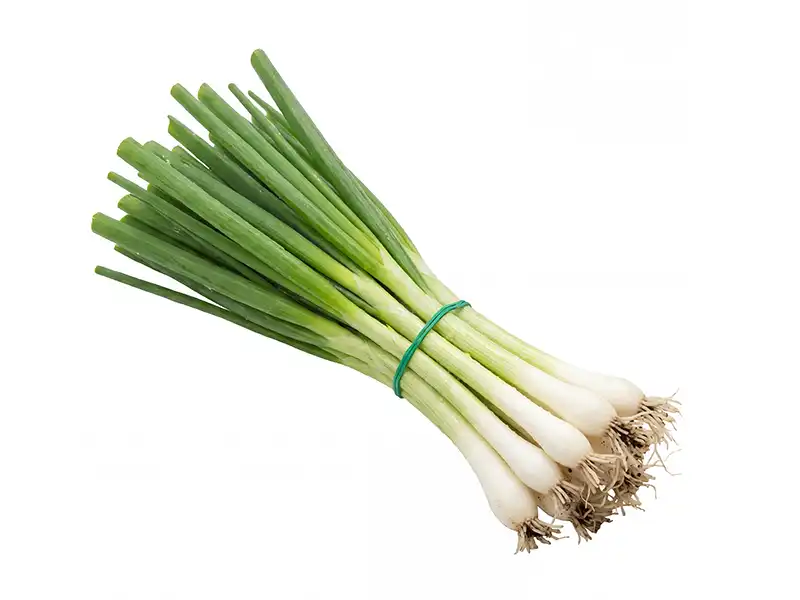
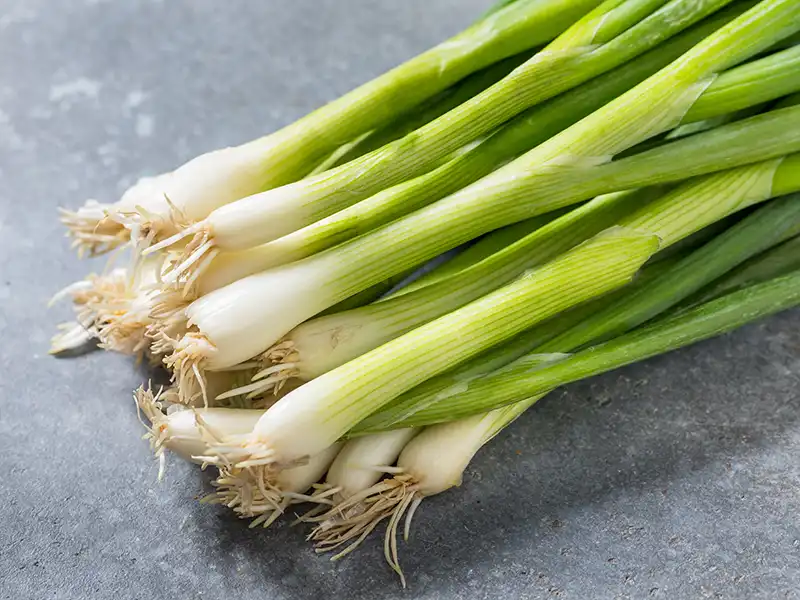
White Lisbon is a classic bunching onion and spring onion variety producing crisp white stems topped with fresh green foliage and a mild, pleasantly onion-like flavour. Fast growing and easy to cultivate, it is an excellent choice for home vegetable gardens, raised beds, containers and market garden production.
Also widely known as White Lisbon Spring Onion or salad onion, this traditional variety is primarily harvested young before a mature bulb develops. The slender white stems and green tops can both be eaten, making White Lisbon a versatile vegetable for salads, sandwiches, stir-fries, soups, garnishes and Asian-style dishes.
White Lisbon is particularly useful for successive sowings because it grows quickly and requires relatively little garden space. Small batches can be sown regularly throughout suitable seasons to provide a continuing supply of fresh spring onions.
Key Attributes
Classic White Spring OnionProduces slender white stems with attractive green tops for the familiar appearance and flavour of traditional spring onions. |
Fast GrowingA quick-growing salad onion that can begin reaching useful harvest size in approximately 8–10 weeks under favourable conditions. |
Mild Onion FlavourYoung stems and leaves have a fresh, mild onion flavour ideal for eating raw or adding to cooked dishes. |
Excellent for Successive SowingsSow small batches every few weeks during suitable weather for an extended supply of fresh bunching onions. |
Space-Efficient VegetableRequires relatively little growing space and is well suited to garden beds, raised beds, pots, troughs and urban vegetable gardens. |
Versatile Kitchen CropExcellent for salads, sandwiches, stir-fries, soups, noodles, garnishes and a wide range of Asian and everyday dishes. |
Product Description
White Lisbon is a traditional and widely grown spring onion variety valued for its rapid growth, crisp white stems, fresh green foliage and mild flavour.
Botanically classified as Allium cepa, White Lisbon belongs to the Amaryllidaceae family alongside bulb onions, leeks, garlic, shallots and chives.
Although commonly called a bunching onion, White Lisbon is usually grown as a young salad or spring onion and harvested before substantial bulb development occurs.
Plants develop slender white lower stems transitioning into upright green leaves. Both portions are edible.
The white stems provide a crisp texture and mild onion flavour, while the green tops have a fresh flavour and can be sliced and used similarly to chives or scallions.
White Lisbon is particularly valuable because it matures quickly. Harvest can generally begin approximately 8–10 weeks after sowing under favourable conditions, although young onions may be pulled earlier or left longer to develop thicker stems.
Because the plants occupy relatively little space, White Lisbon is ideal for intensive vegetable gardens and successive sowing. Small quantities can be planted every two to four weeks during suitable growing conditions to maintain a continuous supply.
Why Grow White Lisbon Bunching Onions?
- Classic White Lisbon spring onion variety.
- Fast-growing vegetable crop.
- Produces crisp white stems.
- Fresh upright green foliage.
- Mild, pleasant onion flavour.
- Both white stems and green leaves are edible.
- Excellent for fresh salads.
- Ideal for stir-fries and Asian-style dishes.
- Suitable for soups, noodles and garnishes.
- Excellent for successive sowings.
- Requires relatively little garden space.
- Suitable for raised garden beds.
- Excellent for pots and containers.
- Suitable for home vegetable gardens.
- Useful for market garden production.
- Can be harvested at different stages depending on preferred stem size.
- Suitable for cool to mild growing conditions.
- Approximately 300–400 seeds per gram.
Plant Details
| Plant Type | Spring onion / salad onion vegetable |
| Variety | White Lisbon |
| Botanical Name | Allium cepa |
| Family | Amaryllidaceae |
| Growth Habit | Upright, slender spring onion |
| Stem Colour | White lower stem with green foliage |
| Flavour | Mild, fresh onion flavour |
| Harvest | Approximately 8–10 weeks from sowing under favourable conditions |
| Position | Full sun to light partial shade |
| Life Cycle | Biennial botanically, generally grown as an annual vegetable |
| Seeds per Gram | Approximately 300–400 |
Sowing Information
| Sowing Method | Direct sow where plants will grow; can also be raised for transplanting |
| Sowing Depth | Approximately 5–10 mm |
| Germination | Usually approximately 7–14 days under suitable conditions |
| Germination Temperature | Approximately 10–25°C; mild soil temperatures generally provide reliable establishment |
| Plant Spacing | Approximately 2–5 cm depending on desired stem size |
| Row Spacing | Approximately 15–30 cm |
| Position | Full sun; light partial shade tolerated |
| Soil | Fertile, loose and well drained with consistent moisture |
| Successive Sowing | Every 2–4 weeks during suitable growing conditions |
When to Sow White Lisbon Spring Onions in Australia
| Climate Zone | Suggested Sowing Time | Growing Notes |
|---|---|---|
| Cool | Spring – autumn | Sow successively during frost-free growing conditions. Protect very young seedlings from severe frost. |
| Temperate | Most of the year | Successive sowings can provide an extended harvest. Avoid establishing crops during periods of extreme heat. |
| Subtropical | February – October | Excellent through the cooler months. Light afternoon shade can be useful as temperatures increase. |
| Tropical | March – August | Concentrate production into the cooler, drier season for better stem and leaf quality. |
| Arid | Autumn – spring | Grow during mild weather and provide reliable irrigation to maintain tender growth. |
These sowing periods are general guides. Local frost, temperature, elevation, rainfall, seasonal heat and water availability should also be considered.
How to Grow White Lisbon Bunching Onions from Seed
White Lisbon is easy to grow from seed and is particularly well suited to direct sowing.
Choose a position receiving full sun for most of the day. Light partial shade can be useful in warmer climates.
Prepare the soil by removing weeds and incorporating well-decomposed compost where required.
Create shallow rows and sow the seeds approximately 5–10 mm deep.
Cover lightly with fine soil and water gently.
Maintain consistent moisture while germination occurs.
Seedlings commonly emerge within approximately 7–14 days under suitable conditions.
For slender spring onions, relatively close spacing can be maintained.
If thicker stems are preferred, thin seedlings to approximately 2–5 cm apart.
Keep the growing area reasonably free from weeds, particularly while seedlings are small.
Successive Sowing for Continuous Harvests
One of the major advantages of White Lisbon is its suitability for succession sowing.
Rather than planting the entire seed supply at once, sow smaller batches approximately every 2–4 weeks while seasonal conditions remain suitable.
As one planting reaches harvest size, younger plantings will continue developing.
This approach can provide a much more consistent supply of fresh spring onions over an extended period.
Successive sowing is particularly useful for:
- Home vegetable gardens
- Restaurants and kitchen gardens
- Market gardens
- Raised beds
- Container production
Growing White Lisbon in Australian Conditions
White Lisbon is adaptable across a wide range of Australian climates when planted during suitable seasonal conditions.
In cool climates, sow from spring through autumn while severe frost risk is low.
Temperate gardeners can often grow White Lisbon for much of the year.
In subtropical areas such as South East Queensland, the variety is particularly productive from late summer through autumn, winter and spring.
In tropical regions, concentrate production into the cooler and drier months.
During hot weather, provide reliable irrigation and consider light afternoon shade.
Soil Preparation
White Lisbon performs best in fertile, loose, well-drained soil.
Fine soil structure is particularly useful because the plants have relatively small root systems and slender stems.
Before sowing:
- Remove established weeds.
- Break up large soil clods.
- Incorporate well-decomposed compost where required.
- Ensure the soil drains freely.
- Level the seedbed before creating shallow rows.
Avoid using large quantities of fresh manure immediately before sowing.
A fertile soil with adequate organic matter supports rapid, tender growth.
Watering White Lisbon Spring Onions
Maintain reasonably consistent soil moisture throughout the growing period.
The most important watering stages include:
- Seed germination
- Early seedling establishment
- Rapid leaf development
- Stem thickening
- Warm or windy weather
Avoid repeatedly allowing the plants to wilt.
Irregular moisture can slow growth and reduce stem quality.
At the same time, avoid permanently saturated soil because onions require adequate drainage.
Feeding Bunching Onions
White Lisbon grows quickly and benefits from fertile soil.
Incorporate compost or well-decomposed organic matter before sowing where required.
A suitable balanced vegetable fertiliser can be applied according to soil conditions and product directions.
Because the crop is harvested relatively young, the aim is to maintain steady vegetative growth rather than encourage bulb development.
Avoid applying concentrated fertiliser directly against young seedlings.
Growing White Lisbon in Pots
White Lisbon is an excellent vegetable for container gardens because the plants require relatively little space.
Choose a container with adequate drainage.
Fill with a good-quality vegetable potting mix.
Sow the seeds approximately 5–10 mm deep.
Plants can be grown relatively close together when harvesting them as slender spring onions.
Keep container-grown plants consistently watered because potting mix can dry more rapidly than garden soil.
Successive sowings can be made in several containers to maintain continuous production.
Growing White Lisbon in Raised Beds
Raised beds are ideal for White Lisbon because the loose soil promotes easy establishment and clean harvesting.
Prepare a fine seedbed and sow directly into shallow rows.
Rows can be spaced approximately 15–30 cm apart.
Because the plants occupy relatively little space, White Lisbon can be fitted between slower-growing vegetables where competition for light and nutrients is limited.
Maintain good weed control while seedlings are young.
Growing Longer White Stems
The white portion of a spring onion develops where the lower stem receives limited light.
If longer white stems are desired, soil can be drawn gently around the base of established plants as they grow.
This process is known as blanching.
Do not bury the growing leaves or cover small seedlings too deeply.
Alternatively, harvest White Lisbon at its natural young spring-onion stage without additional blanching.
Both methods produce useful edible crops.
Harvesting White Lisbon Spring Onions
White Lisbon is normally harvested while young.
Under favourable conditions, harvesting can begin approximately 8–10 weeks after sowing.
However, there is no single required harvest size.
Pull younger plants for fine, delicate spring onions or leave them longer to develop thicker white stems.
To harvest:
- Water dry soil beforehand if necessary.
- Hold the plant close to the base.
- Pull gently from loose soil.
- Use a garden fork to loosen compacted soil where required.
- Remove damaged outer leaves.
- Wash thoroughly before use.
Harvest only the quantity required and allow remaining plants to continue growing.
When Is White Lisbon Ready to Harvest?
White Lisbon can be harvested once the plants have developed useful white stems and healthy green tops.
For traditional spring onions, harvest before significant bulb development occurs.
Plants are generally ready when:
- The stems are long enough for kitchen use.
- The white bases have begun to thicken.
- The foliage is upright and healthy.
- The stems feel firm and crisp.
Smaller plants generally have a particularly mild flavour and tender texture.
Using White Lisbon Bunching Onions
Both the white stems and green leaves are edible.
White Lisbon can be used for:
- Fresh salads
- Sandwiches and wraps
- Stir-fries
- Fried rice
- Noodle dishes
- Soups and broths
- Omelettes
- Asian-style dishes
- Salsas and dips
- Potato dishes
- Savoury pancakes
- Fresh garnishes
- Grilled vegetables
- Everyday cooking
For raw dishes, finely slice the white and green portions.
For cooked dishes, add spring onions near the end of cooking where a fresher flavour is preferred.
Can You Eat the Green Tops?
Yes. The green leaves of White Lisbon are edible.
They have a fresh onion flavour and can be sliced finely and used similarly to scallions or chives.
The green tops are excellent for:
- Garnishing soups
- Stir-fries
- Noodles
- Egg dishes
- Salads
- Rice dishes
- Savoury pancakes
Tender young foliage generally provides the best texture.
Storing Fresh Spring Onions
After harvesting, remove damaged outer foliage and excess soil.
Store White Lisbon under refrigeration.
Keeping the plants cool and limiting moisture loss helps maintain crispness.
For best eating quality, use freshly harvested spring onions relatively promptly.
Do not leave harvested onions exposed to warm, dry conditions for extended periods, as the foliage and stems can wilt quickly.
Common Pests
White Lisbon may be affected by pests that commonly attack onions and related Allium crops.
Potential pests include:
- Thrips
- Onion fly in regions where present
- Slugs and snails around young seedlings
- Other sap-feeding or leaf-feeding insects
Inspect crops regularly.
Maintain good weed control and remove severely damaged plant material where appropriate.
Use locally suitable pest-management methods if intervention is required.
Common Diseases
Potential onion diseases can include:
- Downy mildew
- Onion white rot
- Rust
- Various fungal leaf diseases
Disease risk varies according to climate, soil and growing conditions.
Good management includes suitable crop spacing, well-drained soil, crop rotation and avoiding unnecessary prolonged leaf wetness.
Crop Rotation
White Lisbon belongs to the Allium group.
Related crops include:
- Bulb onions
- Leeks
- Garlic
- Shallots
- Chives
Where practical, avoid repeatedly growing Allium crops in the same garden bed.
Rotating with unrelated vegetable families can form part of a broader strategy for reducing the build-up of some soil-borne pests and diseases.
Bolting and Flowering
White Lisbon is botanically biennial, although it is normally harvested during its first season as a young spring onion.
Plants left growing for an extended period may eventually produce flowering stems.
Temperature, plant maturity and environmental stress can influence flowering.
Once a plant begins flowering, the stem can become tougher and less desirable as a spring onion.
For the best eating quality, harvest while plants are young, tender and actively growing.
Saving White Lisbon Onion Seed
Plants intended for seed production must be allowed to mature beyond the normal spring-onion harvest stage.
As a biennial, Allium cepa normally flowers after completing the appropriate growth and cool-period cycle.
Flowering plants develop tall stems topped with rounded umbels containing numerous small flowers.
After pollination, black onion seeds develop.
Allow the seed heads to mature and begin drying before harvesting.
Cut mature heads and finish drying them in a sheltered, well-ventilated area if necessary.
Thresh or rub the dried heads to release the seeds.
Remove as much chaff as practical.
Store completely dry seed in a labelled container in cool, dry conditions.
Where varietal purity is important, appropriate isolation from compatible flowering onion varieties is required because cross-pollination can occur.
Perfect For
- Home vegetable gardens
- Spring onion production
- Bunching onion production
- Salad gardens
- Raised garden beds
- Pots and containers
- Small-space gardening
- Urban vegetable gardens
- Market gardens
- Successive sowings
- Quick vegetable crops
- Fresh salads
- Stir-fries
- Noodle and rice dishes
- Soups and broths
- Asian-style cooking
- Fresh garnishes
- Growers wanting a traditional white spring onion
Frequently Asked Questions
What is White Lisbon?
White Lisbon is a traditional fast-growing spring or salad onion producing crisp white lower stems and fresh green foliage with a mild onion flavour.
Is White Lisbon a spring onion?
Yes. White Lisbon is one of the classic varieties grown and harvested as a spring onion or salad onion.
Is White Lisbon a bunching onion?
White Lisbon is commonly marketed and grown as a bunching onion because it is harvested young for its slender white stems and green tops. Botanically, however, it is generally classified as Allium cepa rather than the true Welsh or bunching onion species Allium fistulosum.
What is the botanical name of White Lisbon?
White Lisbon is generally classified as Allium cepa.
What is the difference between White Lisbon and a true bunching onion?
White Lisbon is an Allium cepa variety traditionally harvested young as a spring or salad onion. Many true non-bulbing bunching onions belong to Allium fistulosum. In the kitchen and garden trade, both types are commonly called spring onions, scallions or bunching onions.
What does White Lisbon taste like?
White Lisbon has a fresh, mild onion flavour. Young plants are particularly tender and suitable for eating raw.
How long does White Lisbon take to grow?
Harvest can generally begin approximately 8–10 weeks after sowing under favourable growing conditions.
Can White Lisbon be harvested earlier?
Yes. Plants can be pulled younger for fine, tender spring onions or left longer to develop thicker white stems.
How many White Lisbon seeds are in a gram?
Approximately 300–400 onion seeds per gram is a useful guide. Actual seed count varies naturally between seed lots.
When should White Lisbon be planted in Australia?
White Lisbon can be grown over an extended period in many Australian climates. It performs particularly well during mild to cool conditions, with exact sowing periods varying according to region.
Can White Lisbon be grown in Brisbane?
Yes. In Brisbane and South East Queensland, White Lisbon is particularly well suited to late summer, autumn, winter and spring production.
Can White Lisbon grow in tropical Australia?
Yes, but the coolest part of the year generally provides the best growing conditions. Reliable irrigation is important during dry weather.
Can White Lisbon tolerate cold weather?
Established plants tolerate cool conditions well. Severe frost can damage tender foliage, particularly on young plants.
Does White Lisbon need full sun?
Full sun generally produces strong growth. Light partial shade can be useful in warmer climates.
How deep should White Lisbon seeds be planted?
Sow approximately 5–10 mm deep and maintain consistent moisture during germination.
How long does White Lisbon take to germinate?
Germination generally occurs within approximately 7–14 days under suitable conditions.
Can White Lisbon be direct sown?
Yes. Direct sowing is generally the simplest method because spring onions establish readily and require relatively little space.
Can White Lisbon be transplanted?
Yes. Seedlings can be raised in trays and transplanted, although direct sowing is usually convenient for home garden production.
How far apart should White Lisbon be planted?
Approximately 2–5 cm between plants is suitable for most spring onion production. Plants can be kept closer where fine young onions are desired.
Should White Lisbon be thinned?
Thinning is only necessary where seedlings are excessively crowded or thicker individual stems are required. Removed young seedlings can be used as edible baby onions once sufficiently developed.
Can White Lisbon be grown in pots?
Yes. White Lisbon is particularly suitable for pots, troughs and containers because the plants require relatively little root space compared with many vegetables.
Can White Lisbon grow in raised beds?
Yes. Raised beds provide excellent conditions when the soil is fertile, loose and well drained.
How often should I sow White Lisbon?
For a continuous supply, sow small batches approximately every two to four weeks while growing conditions remain suitable.
Does White Lisbon form a bulb?
White Lisbon is normally harvested young before significant bulb development. If left growing for much longer, some swelling at the base may occur because it belongs to Allium cepa.
Can I eat the entire White Lisbon plant?
The white stem and tender green foliage are both edible and commonly used in cooking.
Can the green tops of White Lisbon be eaten?
Yes. The green leaves have a fresh onion flavour and are excellent finely sliced over soups, noodles, salads, eggs and rice dishes.
Can White Lisbon be eaten raw?
Yes. Young White Lisbon spring onions are excellent raw in salads, sandwiches, wraps and garnishes.
Can White Lisbon be cooked?
Yes. Use it in stir-fries, soups, fried rice, noodle dishes, omelettes and many other savoury recipes.
How do I get longer white stems?
Gently drawing soil around the lower stems as established plants grow can increase the blanched white portion. Avoid burying the growing leaves.
When is White Lisbon ready to harvest?
Harvest once the plants have developed useful white stems and healthy green tops. Under favourable conditions this is commonly around 8–10 weeks after sowing.
How do I harvest White Lisbon?
Gently pull the plants from loose soil. If the soil is compacted, loosen it first with a small garden fork to avoid breaking the stems.
Why are my spring onions thin?
Thin stems may result from overcrowding, insufficient fertility, inadequate moisture, low light or simply harvesting the plants while very young.
Why are my White Lisbon onions bolting?
Plant maturity, temperature changes and environmental stress can encourage flowering. For the best spring-onion quality, harvest while plants are young and actively growing.
What pests attack White Lisbon?
Potential pests include thrips, onion fly where present, slugs and snails around young plants and other pests associated with onion crops.
What diseases can affect White Lisbon?
Potential problems include onion white rot, downy mildew, rust and other onion diseases. Good drainage, crop rotation and suitable airflow can help reduce disease risk.
Can I save seeds from White Lisbon?
Yes. White Lisbon can produce seed if selected plants are allowed to complete their flowering cycle. Appropriate isolation from compatible flowering onion varieties is required where maintaining varietal purity is important.
Is White Lisbon suitable for market gardens?
Yes. Its rapid growth, familiar appearance, mild flavour and suitability for successive sowing make White Lisbon useful for fresh-market spring onion production.
Why is White Lisbon a good variety for home gardens?
It is fast growing, space efficient and versatile in the kitchen. Regular small sowings can provide fresh spring onions over an extended harvest period.
Reviews
There are no reviews yet.