
Quick Facts
What Are Fenugreek Sprouts?
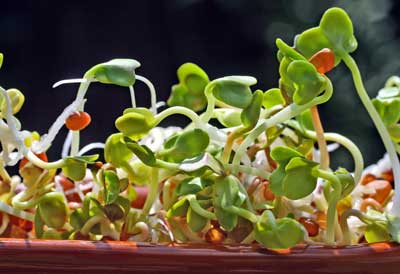
Fenugreek sprouts are the young germinated shoots produced from fenugreek seeds. The dry seeds are soaked in water and then repeatedly rinsed and drained until a small root and shoot emerge.
Unlike fenugreek microgreens, sprouts are grown without soil or potting mix. The entire young sprout—including the softened seed, root and developing shoot—is normally harvested together.
Fenugreek belongs to the legume family and is widely known as methi in South Asian cooking. Mature fenugreek plants are grown for fresh leaves, dried leaves and culinary seeds. When germinated as sprouts, the seed develops a fresher texture and a less concentrated flavour than the dry spice.
Are Methi Sprouts the Same as Fenugreek Sprouts?
Yes. Methi sprouts and fenugreek sprouts are the same thing.
Methi is a commonly used name for fenugreek, particularly in Indian and South Asian cooking. Depending on the context, the term methi may refer to:
- Methi seeds: mature fenugreek seeds.
- Fresh methi: fresh fenugreek leaves.
- Kasuri methi: dried fenugreek leaves.
- Methi sprouts: germinated fenugreek seeds.
Can Fenugreek Sprouts Be Grown in Singapore?
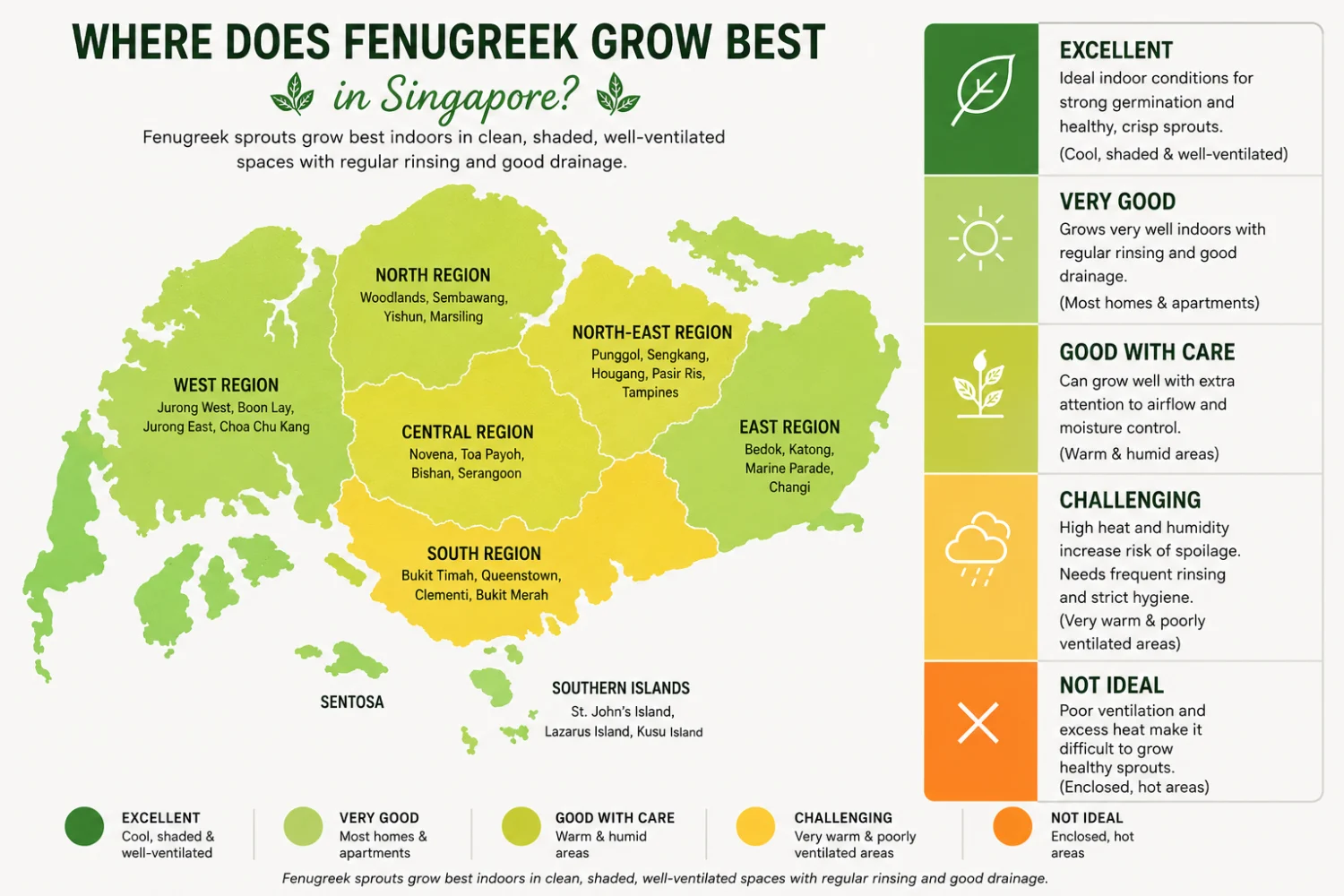
Yes. Fenugreek sprouts can be grown indoors throughout the year in Singapore.
They do not require soil, a balcony or direct sunlight, making them suitable for apartments, condominiums and compact kitchens. A clean sprouting jar, potable water and a well-ventilated indoor location are usually sufficient.
The main challenge in Singapore is not germination. Fenugreek germinates readily in warm conditions. The challenge is preventing the seeds from remaining excessively warm, wet or poorly ventilated.
Singapore’s tropical conditions can cause sprouts to develop faster than they would in a cool climate. They can also increase the likelihood of:
- Sour or fermented odours.
- Excess moisture remaining inside the jar.
- Bacterial or fungal growth.
- Sprouts deteriorating before harvest.
- Strong or bitter flavour developing quickly.
Successful sprouting in Singapore depends on short growing cycles, thorough drainage, clean equipment and regular observation. For more information about the nutritional characteristics and global diversity of fenugreek sprouts, see this scientific review of fenugreek sprouts.
Best Indoor Conditions for Fenugreek Sprouts in Singapore
Fenugreek sprouts can germinate across a range of normal indoor temperatures. A relatively cool, shaded and well-ventilated part of the home is preferable.
What Equipment Do You Need?
Fenugreek sprouts can be grown with simple equipment:
- A clean wide-mouth glass sprouting jar.
- A mesh sprouting lid or securely fitted sprouting screen.
- A jar stand or dish rack that holds the jar at an angle.
- Cool, potable water.
- Fenugreek seed supplied for sprouting.
- A clean bowl or draining tray.
A sprouting bag or purpose-designed tray may also be used. The important features are drainage, ventilation and ease of cleaning.
Avoid tightly sealed containers. Germinating seeds require oxygen, and a sealed wet environment can quickly develop unpleasant odours.
How Much Fenugreek Seed Should You Use?
Start with approximately one tablespoon of fenugreek seed in a one-litre sprouting jar.
Fenugreek seeds expand after soaking and require space for rinsing, circulation and drainage. Overfilling the jar can cause the sprouts to pack together, trapping moisture and reducing airflow.
Once you understand how the seed behaves in your indoor conditions, the quantity can be adjusted slightly. It is generally safer to grow a smaller, well-drained batch than to overcrowd the jar.
One to two tablespoons of seed may produce approximately one to two cups of sprouts, although yield varies according to seed size, germination rate, growing temperature and harvest stage.
How to Grow Fenugreek Sprouts in Singapore
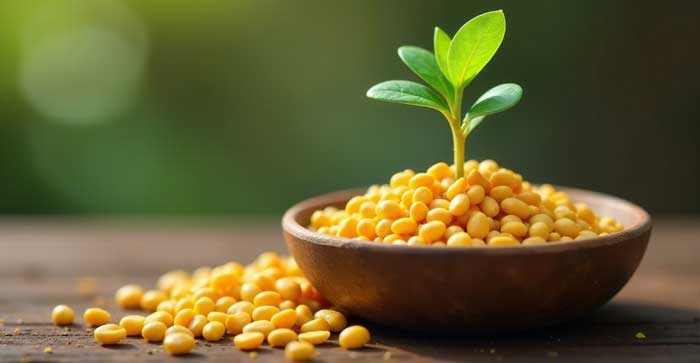
1. Clean the Sprouting Equipment
Wash the jar, lid, screen, stand and utensils thoroughly before beginning.
Use clean hands when handling the seed and avoid placing the inside of the lid or screen onto an unclean surface. Equipment should be washed again between every batch.
A jar that appears visually clean may still contain residue around the rim, lid or mesh, so inspect these areas carefully.
2. Measure the Fenugreek Seeds
Add approximately one tablespoon of fenugreek seeds to a clean one-litre jar.
Remove any visibly damaged seeds, stones or unrelated plant material before soaking.
Use seed specifically supplied for sprouting. Garden seed and culinary spice seed may have been stored, treated or handled differently and may not be suitable for producing sprouts for consumption.
3. Rinse Before Soaking
Add cool water, swirl the seeds thoroughly and drain.
Repeat until the rinse water is reasonably clear. This removes loose dust and surface residue but does not sterilise the seed.
4. Soak for 6–8 Hours
Cover the seeds with several times their volume of cool water. Fenugreek absorbs water and expands considerably during soaking.
Soak for approximately 6–8 hours. Overnight soaking is convenient, but avoid leaving the seeds submerged for an unnecessarily long period in a warm Singapore kitchen.
After soaking, drain the water completely.
- Recommended soak: 6–8 hours.
- Water: cool, potable water.
- Location: shaded indoor position.
- Avoid: direct sunlight and hot benchtops.
5. Rinse and Drain Thoroughly
After soaking, fill the jar with fresh cool water, gently swirl the seeds and drain.
Turn the jar upside down at an angle so that excess water can escape while air can still enter through the mesh lid.
The seeds should remain moist, but they should not sit in a pool of water.
6. Rinse 2–3 Times Daily
Rinse and drain the fenugreek seeds approximately every 8–12 hours.
In especially warm rooms, rinsing three times daily may be preferable. Use cool water, swirl gently and drain until water is no longer dripping from the jar.
A practical Singapore schedule is:
- Morning rinse.
- Late afternoon rinse.
- Evening rinse during particularly warm weather.
Do not compensate for heat by leaving water inside the jar. Fenugreek needs moisture, but standing water restricts oxygen and encourages deterioration.
7. Keep the Jar Shaded and Ventilated
Place the draining jar in a clean indoor area with indirect light and airflow.
Suitable locations may include:
- An air-conditioned kitchen or dining area.
- A shaded utility shelf with good airflow.
- A ventilated area away from the stove.
- A countertop that does not receive direct afternoon sun.
Avoid placing the jar:
- Beside a sunny window.
- Near an oven, rice cooker or other heat-producing appliance.
- Inside a closed cupboard.
- Beside unwashed produce, raw meat or food waste.
- Where insects or splashing water can reach it.
8. Harvest After Approximately 3–5 Days
Fenugreek usually germinates quickly. A small root may appear within the first day after soaking, followed by elongating pale shoots.
Harvest when the sprouts are crisp, fresh and at the preferred size. This is usually approximately 3–5 days after soaking.
Younger sprouts generally have a milder flavour. As they grow, the fenugreek character may become stronger and more bitter.
Do not extend the growing period merely to obtain a larger volume. In Singapore’s warm conditions, prompt harvesting is usually preferable.
9. Complete a Final Rinse
Rinse the harvested sprouts thoroughly with cool potable water and drain well.
Remove any loose seed coats if desired. Seed coats are generally harmless, but removing detached hulls can improve appearance and storage quality.
Allow as much surface water as possible to drain before refrigeration.
10. Refrigerate Promptly
Transfer the well-drained sprouts to a clean food-safe container and refrigerate promptly.
Do not place visibly wet sprouts into an airtight container for extended storage. Excess moisture can cause rapid deterioration.
Use harvested sprouts promptly. Discard them if they develop:
- A sour, fermented or rotten odour.
- A slimy texture.
- Unusual discolouration.
- Visible mould.
- Excessive softness or collapse.
Day-by-Day Fenugreek Sprouting Guide
Do Fenugreek Sprouts Need Sunlight?
Fenugreek sprouts do not require direct sunlight.
During the first stages of germination, indirect room light is sufficient. Direct sunlight can rapidly heat a glass jar, particularly beside a window in Singapore.
A brief period of gentle indirect light near the end of the growing cycle may encourage slightly greener shoots, but it is optional. Do not sacrifice temperature control or food safety simply to produce greener sprouts.
How Often Should Fenugreek Sprouts Be Rinsed in Singapore?
Rinse fenugreek sprouts at least two or three times daily.
During warm weather or in a non-air-conditioned home, an additional rinse may be useful. Every rinse must be followed by complete drainage.
Rinsing serves several purposes:
- Maintains the moisture needed for germination.
- Removes some loose residue.
- Helps cool the seeds temporarily.
- Refreshes the water around the developing sprouts.
Rinsing does not sterilise the sprouts or remove every food-safety risk. Clean seed, clean equipment, potable water and appropriate handling remain essential.
Why Is Drainage So Important?
Sprouts require moisture and oxygen at the same time.
When water remains pooled at the bottom of the jar, the seeds can become oxygen-deprived. Warm standing water also creates conditions in which undesirable microorganisms can multiply rapidly.
After each rinse:
- Allow the main volume of water to drain through the mesh.
- Gently rotate the jar to release water trapped among the sprouts.
- Place the jar upside down at an angle.
- Ensure air can enter through the sprouting lid.
- Empty water collected in the draining tray.
The sprouts should look moist rather than submerged.
Fenugreek Sprouts vs Fenugreek Microgreens
Fenugreek sprouts and microgreens are produced from the same plant species, but the growing methods and harvest stages are different.
Choose sprouts when you want the fastest harvest and simplest equipment. Choose microgreens when you prefer larger, greener shoots with developed leaves.
Fenugreek Sprouts vs Dried Fenugreek Seeds
Dried fenugreek seeds are normally used as a spice, while fenugreek sprouts are eaten as fresh young shoots.
The dried seed has a concentrated aroma, firm texture and pronounced bitterness. It may be dry-roasted, soaked, ground or added in small quantities to spice blends, pickles, curries and lentil dishes.
Sprouting softens the seed and produces a crisp fresh ingredient. The sprouts retain the characteristic fenugreek flavour, but the experience is different from eating the dried spice.
For a more detailed comparison, read our guide to Fenugreek Sprouts vs Fenugreek Seeds.
How to Use Fenugreek Sprouts

Fenugreek sprouts have a bold savoury flavour and are often most enjoyable in small quantities.
They can be used in:
- Mixed green salads.
- Sandwiches and wraps.
- Rice and grain bowls.
- Noodle dishes.
- Omelettes and savoury pancakes.
- Curries and dals.
- Stir-fries.
- Soups added shortly before serving.
- Fresh garnishes for Indian and Middle Eastern meals.
- Mixed sprout combinations.
Because fenugreek has a stronger flavour than many common sprouts, it combines well with milder types such as:
- Alfalfa sprouts.
- Clover sprouts.
- Broccoli sprouts.
- Mung bean sprouts.
- Lentil sprouts.
When combining seed types in one jar, choose varieties with similar soaking and harvest requirements. Alternatively, grow each type separately and mix them after harvesting.
Can Fenugreek Sprouts Be Cooked?
Yes. Fenugreek sprouts can be added to cooked dishes.
They may be stirred into curries, soups, lentils, omelettes, noodles or stir-fries. Adding them near the end of cooking preserves more of their texture, while longer cooking softens the sprouts and reduces their raw character.
Cooking sprouts thoroughly reduces microbial risk compared with eating them raw, although normal food-handling practices are still required.
Food Safety When Growing Sprouts at Home
All raw sprouts carry a food-safety risk because the same warm and moist conditions that support germination can also support the growth of bacteria.
Clean-looking sprouts are not necessarily free from harmful microorganisms. Contamination may originate on the seed and can multiply during sprouting.
Reduce risk by following these practices:
- Use seed supplied specifically for sprouting.
- Wash hands before handling seed or sprouts.
- Clean and dry all equipment between batches.
- Use potable water for soaking and rinsing.
- Keep the jar away from raw meat, dirty produce and food waste.
- Drain thoroughly after every rinse.
- Keep the batch as cool as reasonably practical.
- Harvest promptly.
- Refrigerate immediately after harvest.
- Discard any batch with an unusual smell, slime, discolouration or visible mould.
People who are pregnant, elderly, immunocompromised or very young are generally considered more vulnerable to foodborne illness. They should follow current professional and local food-safety advice before consuming raw or lightly cooked sprouts.
Thorough cooking is the most reliable way to reduce the microbial risk associated with sprouts.
Common Problems When Growing Fenugreek Sprouts
Fenugreek Seeds Are Not Germinating
Poor germination may be caused by:
- Old or non-viable seed.
- Seed not intended for sprouting.
- Insufficient soaking.
- Seeds drying out after soaking.
- Damage caused by excessive heat.
- Seed that has been treated or processed.
Use fresh sprouting seed, soak for approximately 6–8 hours and maintain regular rinsing without leaving the seed submerged.
Sprouts Smell Sour
A sour, fermented or rotten smell is not normal and the batch should be discarded.
Common causes include:
- Poor drainage.
- Overcrowding.
- High temperature.
- Insufficient rinsing.
- Dirty equipment.
- A batch being grown for too long.
Do not attempt to rescue questionable sprouts by repeatedly rinsing them.
Sprouts Feel Slimy
Sliminess may indicate deterioration or microbial growth. Discard the batch.
To reduce the chance of this occurring:
- Use less seed.
- Drain more thoroughly.
- Improve airflow.
- Rinse more frequently during warm weather.
- Harvest earlier.
White Fuzz Is Appearing on the Roots
Fine root hairs may appear as white fuzz around healthy roots, particularly immediately before rinsing. Root hairs normally disappear or flatten when rinsed.
Mould is more likely to appear as irregular webbing that spreads across multiple seeds, may have an unpleasant smell and does not simply disappear after rinsing.
When uncertain, discard the batch. It is not worth taking a food-safety risk.
The Sprouts Are Too Bitter
Fenugreek naturally has a mildly bitter flavour, but bitterness becomes stronger as sprouts mature.
For a milder result:
- Harvest at approximately three days rather than waiting for long shoots.
- Use smaller amounts in meals.
- Mix fenugreek with milder sprouts.
- Add the sprouts to cooked dishes.
- Avoid growing the batch beyond the preferred harvest stage.
The Jar Is Becoming Too Crowded
Fenugreek expands substantially during germination. If the sprouts become compressed, water and air cannot move easily through the batch.
Use less seed in the next batch. Approximately one tablespoon per one-litre jar is a practical starting point.
The Sprouts Are Growing Slowly
Slow development may be caused by cool air-conditioning, insufficient initial soaking, drying between rinses or low seed vigour.
A slightly slower batch is not necessarily a problem if it remains fresh, clean-smelling and well drained. Do not increase the temperature aggressively to accelerate germination.
Can Fenugreek Sprouts Be Grown in an Air-Conditioned Room?
Yes. An air-conditioned room can be useful in Singapore because it provides a cooler indoor environment.
Do not place the jar directly beneath an air-conditioning vent, where strong airflow may dry the seeds unevenly. Position it in a shaded area of the room and maintain the normal rinsing schedule.
A cooler room may slightly extend the growing period, but it can make moisture and odour easier to manage.
Can Fenugreek Sprouts Be Grown Without Air Conditioning?
Yes, provided the room is reasonably ventilated and the batch is managed carefully.
In a warm non-air-conditioned room:
- Use a smaller amount of seed.
- Rinse approximately three times daily.
- Use cool water.
- Drain extremely well.
- Keep the jar away from windows and appliances.
- Harvest at the younger end of the normal range.
Check the sprouts at every rinse. A batch can deteriorate quickly in hot, humid conditions.
Can Fenugreek Sprouts Be Grown All Year in Singapore?
Yes. Indoor fenugreek sprouting is not dependent on a planting season.
However, indoor conditions may vary throughout the year according to ventilation, air-conditioning use, rainfall, room temperature and humidity.
During especially warm periods, smaller batches and shorter growing cycles are advisable. During cooler indoor conditions, germination may take slightly longer.
How Long Do Fenugreek Sprouts Last in the Fridge?
Home-grown sprouts are best used promptly.
Storage time varies according to hygiene, initial seed quality, drainage, refrigerator temperature and handling. Rather than relying on a fixed maximum number of days, inspect the sprouts before every use.
Store them:
- Fully drained.
- In a clean food-safe container.
- In the refrigerator.
- Away from raw meat and potential contaminants.
Discard them immediately if they develop slime, an unusual smell, discolouration or loss of firmness.
Frequently Asked Questions
How long does fenugreek take to sprout in Singapore?
Fenugreek normally produces visible roots within one or two days and is commonly harvested approximately 3–5 days after soaking. Warm Singapore conditions may accelerate development.
How long should fenugreek seeds be soaked?
Soak fenugreek seeds for approximately 6–8 hours in cool potable water. Drain completely after soaking.
How many times should fenugreek sprouts be rinsed?
Rinse and thoroughly drain them at least two or three times daily. Three rinses may be preferable in a warm, non-air-conditioned room.
Can I use supermarket fenugreek seeds for sprouting?
Culinary fenugreek seed may germinate, but its age, handling, treatment and suitability for producing raw sprouts may be unknown. Use seed specifically supplied for sprouting.
Do fenugreek sprouts need soil?
No. Sprouts are grown in a jar, bag or suitable sprouting tray without soil. Fenugreek microgreens are grown for longer and normally use a growing medium.
Do fenugreek sprouts need sunlight?
No direct sunlight is required. Indirect indoor light is sufficient, and direct tropical sun should be avoided because it can overheat the jar.
Why do my fenugreek sprouts smell like curry?
Fenugreek naturally has a strong aromatic character often associated with curry blends. A characteristic fenugreek aroma is normal, but sour, fermented or rotten odours are not.
Are fenugreek sprouts bitter?
Fenugreek sprouts have a mild natural bitterness. Younger sprouts are usually milder, while older sprouts may develop a stronger flavour.
Can fenugreek sprouts be eaten raw?
Fenugreek sprouts are commonly used raw, but all raw sprouts carry a microbial food-safety risk. Vulnerable people should follow current professional advice, and thorough cooking provides a safer option.
Can fenugreek sprouts be added to curry?
Yes. Add them near the end of cooking for some remaining texture, or cook them more thoroughly when a softer result is preferred.
Can I grow fenugreek and alfalfa in the same jar?
It is possible, but growing them separately gives better control over soaking, rinsing, expansion and harvest time. The finished sprouts can be mixed after harvest.
Why are my fenugreek sprouts turning green?
Developing shoots produce chlorophyll when exposed to light. Slight greening is normal and does not mean the sprouts have become microgreens.
How much seed should I place in a sprouting jar?
Approximately one tablespoon in a one-litre jar is a practical starting quantity. Avoid overcrowding because fenugreek expands considerably.
Can fenugreek sprouts be grown in a sprouting bag?
Yes. Use a clean sprouting bag, rinse thoroughly and hang it where water can drain freely and air can circulate.
What should healthy fenugreek sprouts smell like?
They should have a fresh, characteristic fenugreek aroma. Discard sprouts with sour, fermented, rotten or otherwise unpleasant odours.
Should the jar be kept upside down?
After every rinse, place the jar upside down at an angle. This allows excess water to escape while maintaining airflow through the mesh lid.
Can I leave fenugreek sprouts soaking overnight?
A 6–8 hour overnight soak is normally suitable. Avoid leaving them submerged well beyond the recommended soaking period, particularly in a warm room.
What is the best temperature for growing fenugreek sprouts?
Fenugreek germinates readily at normal indoor temperatures. In Singapore, use the coolest practical indoor location and avoid hot, poorly ventilated areas. Temperature management should be combined with frequent rinsing and complete drainage.
How do I know when fenugreek sprouts are ready?
Harvest when the roots and shoots are well developed, the sprouts remain crisp and fresh, and the flavour suits your preference. This is usually around 3–5 days.
Can I sprout fenugreek in a sealed container?
No. Germinating seeds need airflow. Use a mesh lid or ventilated sprouting system that allows complete drainage and oxygen exchange.
Free Sprouting Guide
Download Seedmart’s FREE Sprouting Guide for additional guidance on soaking, rinsing, draining and harvesting sprouts at home.
Click here to download the free sprouting guide.
Tips for Growing Fenugreek Sprouts Successfully in Singapore
Fenugreek is quick and rewarding to sprout at home, but Singapore’s tropical conditions require a more disciplined approach to moisture and temperature.
For reliable results:
- Begin with a small batch.
- Use seed specifically intended for sprouting.
- Soak for approximately 6–8 hours.
- Rinse two or three times daily.
- Drain completely after every rinse.
- Keep the jar out of direct sunlight.
- Provide ventilation.
- Harvest promptly at approximately 3–5 days.
- Refrigerate immediately after the final rinse and drainage.
- Discard any questionable batch.
The most important principle is simple: fenugreek sprouts should remain moist enough to germinate but never waterlogged. In Singapore, smaller batches, good airflow and careful drainage are more valuable than allowing the sprouts to grow as large as possible.
Ready to grow your own methi sprouts? Our Fenugreek Sprouting Seeds are suitable for growing fresh sprouts in jars, bags and purpose-designed sprouting trays. Fenugreek is an excellent choice for growers who enjoy bold savoury flavours and want a fast indoor crop that can be grown without soil or a garden.