
Quick Facts
What Is Echinacea?
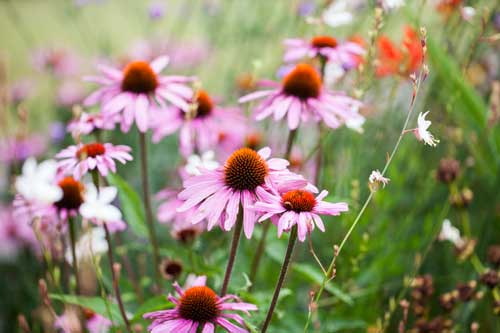
Echinacea is a flowering perennial native to North America. The most commonly grown type is Echinacea purpurea, widely known as Purple Coneflower. It produces upright stems, broad leaves and large daisy-like flowers with a prominent raised cone in the centre.
In the garden, echinacea is valued for its long flowering period, strong ornamental appeal and ability to attract bees, butterflies and other beneficial insects. It is often used in cottage gardens, wildlife gardens, mixed perennial borders and low-maintenance flower beds.
Is Echinacea the Same as Purple Coneflower?
In most gardening contexts, yes. The name Purple Coneflower usually refers to Echinacea purpurea. There are other echinacea species, including Echinacea angustifolia and Echinacea pallida, but Echinacea purpurea is generally the best-known and most widely grown form.
The name “coneflower” comes from the raised cone-shaped centre of the flower. This central cone remains attractive after the petals fade and can add structure to the garden later in the season.
Where Does Echinacea Grow Best in Australia?
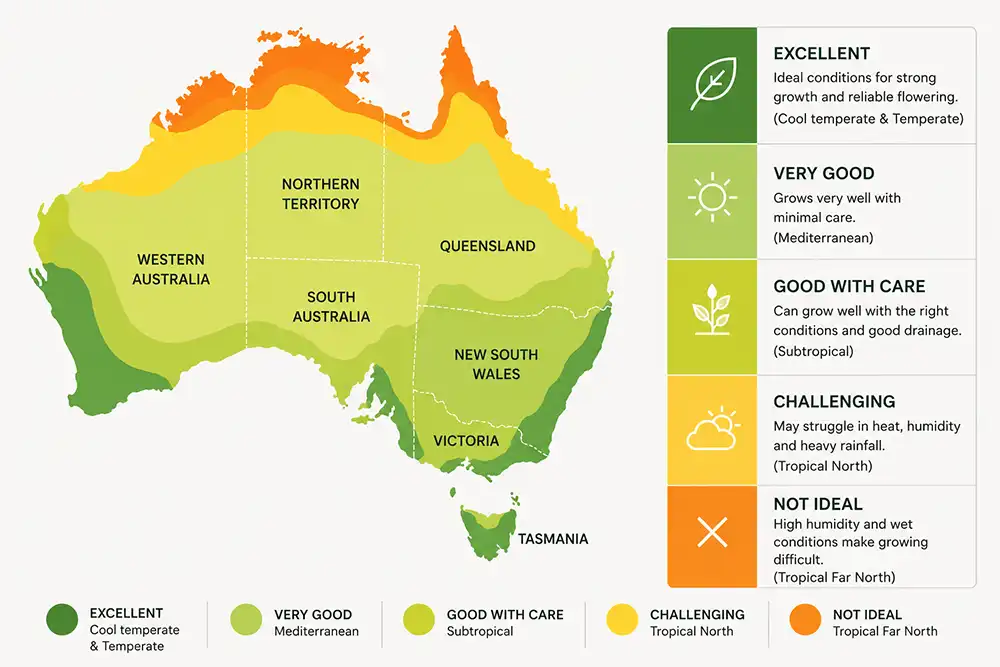
Echinacea grows best in a sunny position with free-draining soil. It is well suited to temperate and cool temperate regions, and it can also be grown successfully in many Mediterranean and subtropical areas with the right soil and watering conditions.
The most important thing is drainage. Echinacea is much more tolerant of dry conditions than wet, heavy soil. If your garden soil becomes waterlogged after rain, grow echinacea in a raised bed or large pot instead.
When to Plant Echinacea in Australia
The best time to sow echinacea depends on your climate. Seed germinates best in mild to warm conditions, and young plants need time to establish before harsh summer heat, heavy wet weather or severe frost.
How to Grow Echinacea from Seed
Echinacea can be sown directly into the garden or started in seed trays. For most gardeners, trays are the easiest option because they give better control over moisture, temperature and weeds.
1. Prepare Seed Raising Mix
Use a clean, free-draining seed raising mix. Fill trays or small pots and gently firm the surface. The mix should be moist before sowing, but not waterlogged.
2. Sow the Seed Shallowly
Sow echinacea seed close to the surface. Cover lightly with approximately 2–3 mm of seed raising mix or fine vermiculite. Do not bury the seed too deeply, as this can reduce germination.
- Sowing depth: 2–3 mm
- Germination temperature: around 18–24°C
- Germination time: usually 10–21 days, sometimes longer
- Transplant stage: when seedlings are large enough to handle
3. Keep Evenly Moist
Keep the seed raising mix evenly moist until germination. Avoid letting it dry out completely, but do not keep it saturated. A fine mist or gentle watering method is best so the seed is not disturbed.
4. Provide Light and Airflow
Once seedlings emerge, move them into bright light. Good light helps prevent weak, leggy growth. Provide airflow around seedlings and avoid overcrowding to reduce the risk of fungal problems.
5. Transplant Carefully
Transplant seedlings once they have several true leaves and are sturdy enough to handle. Before planting them into the garden, harden them off by gradually exposing them to outdoor conditions over several days.
Does Echinacea Need Cold Stratification?
Echinacea seed can germinate without cold stratification, especially when seed is fresh and conditions are suitable. However, cold stratification can improve germination consistency, particularly with older seed or when germination has been patchy.
To cold stratify echinacea seed, place the seed in a sealed bag or container with a slightly damp paper towel or seed raising mix. Refrigerate for 2–4 weeks, then sow as normal.
This step is optional, but it is useful for gardeners who want more even germination or who have struggled with echinacea seed in the past.
Planting Echinacea Seedlings in the Garden
Choose a position with full sun and good drainage. Echinacea performs best with at least 6 hours of sunlight per day. In very hot regions, light afternoon shade can help reduce stress during summer.
Space plants around 30–45 cm apart. This gives each plant enough room to develop and improves airflow, which helps reduce disease issues.
After transplanting, water well and keep the soil lightly moist while plants establish. Once established, echinacea is much tougher and can handle drier conditions.
Soil Preparation
Echinacea does not need rich, heavily fertilised soil. In fact, overly rich soil can encourage leafy growth rather than strong flowering. The ideal soil is moderately fertile, open and free draining.
If your soil is sandy, add compost to improve moisture retention. If your soil is heavy clay, improve the structure with compost and consider raising the bed. Avoid planting echinacea where water pools after rain.
Watering Echinacea
Water regularly while seedlings and young plants are establishing. Once mature, echinacea is reasonably drought tolerant, but it will flower better with occasional deep watering during extended dry periods.
Avoid frequent shallow watering. Deep watering encourages stronger roots and helps plants cope better with Australian heat.
Feeding Echinacea
Echinacea is not a heavy feeder. A light application of compost or a balanced organic fertiliser in spring is usually enough. Avoid excessive nitrogen, as this can produce soft leafy growth and fewer flowers.
How Long Does Echinacea Take to Flower?
Echinacea may flower in its first year if sown early and grown well, but it often reaches its best flowering from the second year onwards. This is normal for many perennial flowers.
In the first season, plants may focus on developing strong roots and foliage. Once established, they usually produce a better display each season.
When Does Echinacea Flower in Australia?
Echinacea generally flowers from late spring through summer and into autumn, depending on climate and sowing time. In cooler regions, flowering may begin later. In warmer regions, plants may flower earlier but need protection from heat stress and poor drainage.
Growing Echinacea in Pots
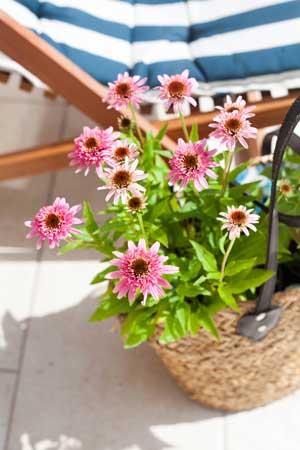
Echinacea can be grown in pots if the container is large enough. Choose a pot at least 30 cm wide, with good drainage holes. Larger pots are better because they hold moisture more evenly and give the root system more space.
- Use a premium, free-draining potting mix.
- Place the pot in full sun or light afternoon shade.
- Water regularly while the plant establishes.
- Do not allow the pot to sit in water.
- Top dress with compost in spring if needed.
Potted echinacea may need more frequent watering than plants grown in the ground, especially in hot weather.
Should You Deadhead Echinacea?
Deadheading spent flowers can encourage a longer flowering season and keep plants looking tidy. Cut the flower stem back to a lower set of leaves once the bloom has faded.
You can also leave some seed heads on the plant. The dried cones add structure to the garden and may attract seed-eating birds.
Does Echinacea Attract Bees and Butterflies?
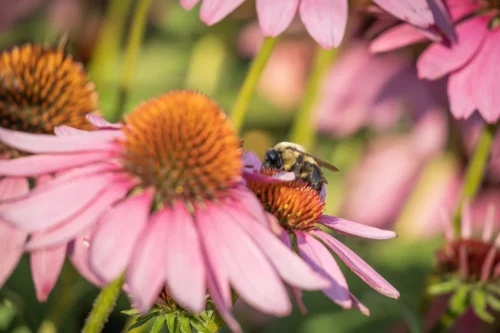
Yes. Echinacea is an excellent pollinator plant. The large flowers are attractive to bees, butterflies and other beneficial insects. For best results, plant echinacea in groups rather than as a single isolated plant.
A small clump of echinacea in a sunny garden bed can become a useful nectar source during the flowering season. It combines well with other pollinator-friendly flowers such as calendula, yarrow, lavender, borage and cornflower.
Can Echinacea Self-Seed?
Echinacea can self-seed in suitable conditions, although it is not usually aggressive. To encourage self-seeding, leave some mature flower heads on the plant. To prevent self-seeding, remove spent flowers before seed drops.
Can You Divide Echinacea?
Established echinacea plants can be divided, but they do not need frequent division. If a clump becomes crowded or loses vigour, divide it in early spring or autumn. Replant divisions into prepared, free-draining soil and water well while they re-establish.
Common Problems When Growing Echinacea
Echinacea Seeds Not Germinating
Poor germination is usually caused by seed being sown too deeply, drying out during germination, cold temperatures, old seed or inconsistent moisture. Sow shallowly, keep the mix evenly moist and consider cold stratification if results have been unreliable.
Seedlings Collapsing
Seedlings can collapse from damping off, a fungal issue encouraged by excess moisture, poor airflow and overcrowding. Use clean seed raising mix, avoid overwatering and provide good ventilation.
Plants Growing Leaves but Not Flowers
Young plants may not flower heavily in their first year. Too much shade or excessive nitrogen can also reduce flowering. Move plants to a sunnier position if needed and avoid overfeeding.
Yellowing Leaves
Yellowing leaves can be caused by poor drainage, overwatering, nutrient imbalance or root stress. Check whether the soil is staying too wet, especially after rain.
Powdery Mildew
Powdery mildew may occur in humid conditions or where airflow is poor. Space plants properly, avoid overhead watering and remove badly affected foliage if required.
Slugs and Snails
Young echinacea seedlings can be damaged by slugs and snails. Protect seedlings until they are larger and more resilient.
Is Echinacea Suitable for Australian Cottage Gardens?
Yes. Echinacea is ideal for cottage-style gardens because it provides strong colour, height, texture and a naturalistic look. It pairs well with both ornamental and edible garden plantings, especially where pollinator activity is encouraged.
Plant it behind lower-growing flowers or among other perennials. Its upright stems and bold flowers make it useful in the middle or back of mixed borders.
Frequently Asked Questions
Is echinacea easy to grow?
Yes. Echinacea is easy to grow once established. The main challenges are getting seed to germinate evenly and avoiding wet, poorly drained soil.
Is echinacea a perennial in Australia?
Yes. Echinacea is a herbaceous perennial. In cooler regions it may die back in winter and reshoot in spring.
Can echinacea grow in Queensland?
Yes, echinacea can grow in many parts of Queensland, especially in free-draining soil with good airflow. In hot or humid areas, provide morning sun and light afternoon shade.
Does echinacea need full sun?
Echinacea flowers best in full sun. In very hot areas, light afternoon shade can be helpful.
How long does echinacea take to germinate?
Echinacea usually germinates in 10–21 days, but it can take longer if conditions are cool or uneven.
How deep should I sow echinacea seed?
Sow echinacea seed shallowly, around 2–3 mm deep. Cover only lightly with fine seed raising mix.
Does echinacea need cold stratification?
Not always. Fresh seed can germinate without cold stratification, but chilling the seed for 2–4 weeks can improve germination consistency.
Can echinacea be grown in pots?
Yes. Use a large pot with excellent drainage and place it in a sunny position.
Is echinacea drought tolerant?
Established plants are reasonably drought tolerant, but they flower better with occasional deep watering during dry periods.
Should I cut back echinacea?
You can cut back old stems after flowering or in late winter before new growth appears. Some gardeners leave seed heads through autumn for garden structure and bird interest.
Tips for Growing Echinacea Successfully
Echinacea is a rewarding perennial for Australian gardens, especially if you want a hardy flower that attracts bees and butterflies while adding long-lasting colour. The key is to sow shallowly, keep seed trays evenly moist, transplant carefully and choose a sunny position with excellent drainage.
Once established, Echinacea purpurea is tough, beautiful and low maintenance. It is an excellent choice for cottage gardens, perennial borders, pollinator patches and large pots across much of Australia.
Ready to grow your own Echinacea purpurea? Our Echinacea Purple Coneflower Seeds are ideal for home gardeners, pollinator gardens and larger landscaping projects. These beautiful perennial flowers produce striking purple blooms that attract bees and butterflies while bringing long-lasting colour and interest to the garden. Whether you’re creating a cottage garden, establishing a dedicated pollinator patch or simply adding a hardy, low-maintenance perennial to your flower beds, echinacea is a rewarding plant that can return year after year under the right conditions.