
Moringa (Moringa oleifera), also known as the Drumstick Tree, grows very well in the hot, humid conditions of Singapore and many parts of Southeast Asia. With year-round warmth, high rainfall and strong sunlight, tropical gardeners can grow moringa as a fast-growing backyard tree, edible landscape plant, hedge, or regularly pruned leaf-producing tree.
This guide explains how to grow moringa in Singapore and Southeast Asia, including the best growing conditions, when to plant, how to sow moringa seeds, how to manage heavy rain, pruning, pests and growing moringa in pots.
Quick Summary
- Best climate: Tropical and subtropical regions.
- Best areas: Singapore, Malaysia, Thailand, Indonesia, the Philippines, Vietnam, Cambodia, Laos and Myanmar.
- Sunlight: Full sun, ideally 6–8 hours per day.
- Soil: Free-draining sandy or loamy soil.
- Main risk: Waterlogging during heavy tropical rain.
- Best method: Grow in the ground where space allows, or in large pots for smaller gardens.
Table of Contents
Moringa and the Tropics
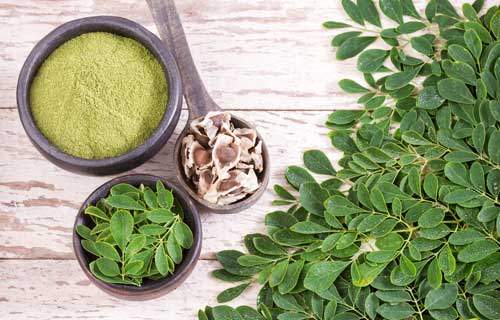
Moringa is native to the Indian subcontinent but adapts extremely well to tropical and subtropical regions. The consistent warmth, strong sunlight and seasonal rainfall found across Singapore and Southeast Asia create excellent conditions for rapid growth.
In the tropics, moringa can grow year-round when soil drainage is good and plants are pruned regularly. It can produce abundant foliage and, in suitable conditions, flowers and long slender pods known as drumsticks.
Where Moringa Grows in Southeast Asia
Moringa grows well throughout much of Southeast Asia, especially in warm lowland and mid-elevation regions. It is particularly suitable for Singapore, Malaysia, Thailand, Indonesia, the Philippines, Vietnam, Cambodia, Laos and Myanmar.
Although moringa handles heat very well, it does not like sitting in waterlogged soil. In areas with heavy monsoon rainfall or compacted urban soils, raised beds, mounds or large containers can improve drainage and reduce root problems.
| Country / Region | Suitability | Growing Notes |
|---|---|---|
| Singapore | Excellent | Best in full sun, large pots, raised beds or free-draining garden soil. |
| Malaysia | Excellent | Grows well in lowland tropical areas; avoid waterlogged soil. |
| Thailand | Excellent | Very suitable in warm regions; prune regularly for leaf production. |
| Indonesia | Excellent | Suitable across many islands where drainage and sunlight are adequate. |
| Philippines | Excellent | Well suited to tropical gardens; protect young plants from strong storms. |
| Vietnam | Very good | Best in warm southern and lowland regions; cooler highlands may slow growth. |
| Cambodia | Excellent | Hot conditions suit moringa well; water young plants during dry periods. |
| Laos / Myanmar | Very good | Performs best in warm, lowland areas with good drainage. |
Best Growing Conditions for Moringa in Singapore and Southeast Asia
Moringa thrives when grown in full sun, warm temperatures and free-draining soil. In tropical climates, the main issue is usually not lack of warmth, but too much moisture around the roots during heavy rain.
- Sunlight: Full sun is best. Aim for 6–8 hours of direct sunlight per day.
- Temperature: Warm tropical temperatures support rapid growth.
- Soil: Sandy, loamy or free-draining soil is preferred.
- Rainfall: Moringa handles seasonal rain but dislikes waterlogging.
- Wind: Young trees should be protected from strong wind and storms.
- Drainage: Raised beds or mounds are useful in wet areas.
Tropical growing tip: In Singapore and other wet tropical areas, plant moringa slightly raised above ground level. This helps prevent root problems during periods of heavy rain.
How to Grow Moringa from Seed
Moringa seeds germinate quickly in warm conditions. In the tropics, seeds can often be sown directly into the ground or started in pots before transplanting.
- Soak seeds: Optional, but soaking for 12–24 hours can help soften the seed coat.
- Sow: Plant seeds 1–2 cm deep in seed raising mix, pots or directly into prepared soil.
- Keep warm: Place in a warm, bright position but avoid waterlogging.
- Germination: Seeds usually germinate in 7–14 days in warm conditions.
- Transplant: Move seedlings carefully once they are strong enough to handle.
Use a free-draining mix if starting seeds in pots. Avoid keeping the mix constantly wet, as excessive moisture can cause seed rot.
Planting and Spacing
Moringa can grow quickly into a small to medium tree, but it can also be kept compact with regular pruning. Spacing depends on whether you want a tree, hedge, windbreak or regularly harvested leaf crop.
- Feature tree: Space plants 2–3 metres apart.
- Hedge or screen: Space plants closer together and prune regularly.
- Leaf production: Keep plants cut back to encourage new shoots.
- Small gardens: Grow in large pots or prune heavily to control size.
Care and Maintenance
Moringa is low-maintenance once established, but young plants need consistent care during the first few months.
- Water regularly while seedlings establish.
- Reduce watering once plants have developed deeper roots.
- Mulch lightly to conserve moisture, but keep mulch away from the trunk.
- Feed with compost or a balanced organic fertiliser during active growth.
- Keep the base of the plant clear and well ventilated.
In Singapore, container-grown moringa may need more regular watering than plants grown in the ground, especially during hot, dry periods.
Pruning Moringa for Better Growth
Pruning is essential if you want a manageable, productive moringa tree. Without pruning, moringa can grow tall and open, making the leaves and pods harder to reach.
- Pinch or cut the growing tip when the young plant is around 30–50 cm tall.
- Prune regularly to encourage branching and bushier growth.
- Remove weak, damaged or crossing branches.
- Cut back hard if the plant becomes too tall.
- Harvesting leaves regularly also encourages new growth.
In tropical climates, moringa responds very well to pruning and can produce repeated flushes of new leaves throughout the year.
Growing Moringa in Pots in Singapore
Moringa can be grown in large pots, which is useful for balconies, courtyards, rental homes and small urban gardens. Choose the largest practical container and make sure it has excellent drainage.
- Use a deep pot with drainage holes.
- Choose a free-draining potting mix.
- Place the pot in full sun.
- Water deeply, then allow excess water to drain away.
- Prune regularly to keep the plant compact.
- Avoid leaving the pot sitting in a saucer of water.
For Singapore apartments and small gardens, moringa is best treated as a regularly pruned container tree rather than a full-sized shade tree.
Pests and Problems
Moringa is generally resilient, but pests and root issues can occur, especially in humid tropical conditions.
Root Rot
Root rot is usually caused by waterlogged soil or poor drainage. Use raised beds, mounds or containers with drainage holes.
Caterpillars
Caterpillars may feed on leaves. Check young plants regularly and remove pests early if damage appears.
Aphids and Scale
Aphids and scale insects can occasionally affect soft new growth. Improve airflow, avoid overcrowding and monitor plants regularly.
Storm Damage
Young moringa trees can be damaged by strong wind or heavy rain. Stake young plants if needed and prune to create a stronger structure.
Harvesting Moringa
Moringa leaves can be harvested once plants are well established and producing strong new growth. Regular harvesting encourages new shoots and keeps the plant compact.
Young pods, known as drumsticks, are harvested while still tender. Flowers may also appear once plants are mature and growing strongly. In tropical climates, well-managed plants can produce multiple flushes of leaves throughout the year.
Important Food Safety Notice
Seedmart supplies moringa seeds as seeds for planting and growing. They are not sold as a ready-to-eat food, sprouting seed for human consumption, therapeutic product, medicine, supplement, or food safety-approved ingredient.
If you grow moringa and choose to harvest leaves, flowers, pods or seeds for personal use, you are responsible for preparing and consuming them safely and complying with local food safety, import, growing and sale requirements in your country.
Moringa FAQs for Singapore and Southeast Asia
Can moringa grow in Singapore?
Yes. Singapore’s warm, humid climate is well suited to moringa, provided the plant receives full sun and is grown in free-draining soil or a well-drained pot.
Can moringa grow year-round in the tropics?
Yes, moringa can grow year-round in tropical climates when conditions are warm, sunny and well drained. Growth may slow during extended wet, cloudy or stormy periods.
Does moringa need full sun?
Yes. Moringa grows best in full sun with at least 6–8 hours of direct sunlight per day.
Can moringa grow in pots?
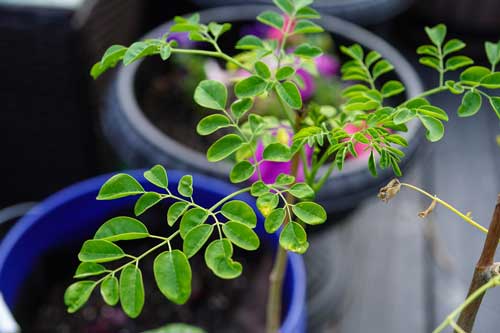
Yes. Moringa can grow in large pots, making it suitable for small gardens, patios and some balcony situations where there is enough sunlight.
How fast does moringa grow in Singapore?
Moringa can grow quickly in Singapore’s tropical climate. Under good conditions, young plants may reach several metres in their first year, especially if planted in the ground.
Why is my moringa turning yellow?
Yellowing leaves are often caused by overwatering, poor drainage, waterlogged soil, nutrient stress or insufficient sunlight.
When should I plant moringa seeds in Singapore?
Moringa seeds can be planted year-round in Singapore, but avoid periods when the growing area is likely to stay saturated for long periods after heavy rain.
Start Growing Moringa from Seed
Moringa is one of the most suitable warm-climate trees for Singapore and tropical Southeast Asia. With full sun, good drainage and regular pruning, it can become a productive and attractive garden plant.
When available, you can buy Moringa Seeds from Seedmart.