

TEA TREE Seeds
Botanical Name: Melaleuca alternifolia
Other Names: Tea Tree, Narrow-leaved Paperbark
- Australian native shrub renowned for its aromatic foliage and medicinal oil.
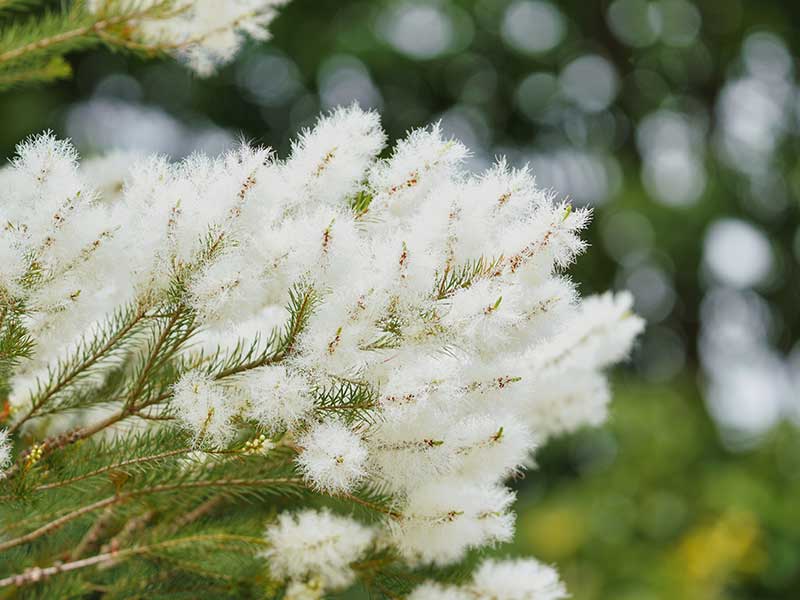
- Produces masses of fluffy white flowers that attract bees and pollinators.
- Hardy species suited to coastal, damp, and low-lying areas.
- Fast-growing and adaptable to a range of soil types.
- Excellent for screening, windbreaks, and native revegetation projects.
- Leaves traditionally used for their natural antiseptic properties.
- Provides valuable habitat for birds and beneficial insects.
Plant Details
- Plant Type: Evergreen native shrub / small tree
- Plant Height: 3–7 m tall (can be pruned smaller)
Sowing Information
- Germination: 2–4 weeks
- Depth: Surface sow; press lightly into soil
- Position: Full sun to part shade
- Sow Where: Seed trays or tubes; transplant when established
- Soil Type: Moist, well-draining soils; tolerates sandy or clay soils
- Spacing: 1.5–3 m between plants
Growing Tips
- Keep soil consistently moist during early growth.
- Benefits from mulch to retain moisture and suppress weeds.
- Prune lightly after flowering to encourage bushy growth.
- Suitable for rain gardens and damp sites.
Flowering & Fruiting
In spring and early summer, Tea Tree produces abundant white bottlebrush-like flowers, followed by small woody seed capsules that remain on the stems.
Traditional & Practical Uses
- Leaves traditionally used by Indigenous Australians for their medicinal properties.
- Commercially cultivated for tea tree essential oil production.
- Planted for windbreaks, habitat restoration, and ornamental native gardens.
When to Sow Tea Tree in Your Climate
| Climate Zone | Best Planting Time | Tips |
|---|---|---|
| Temperate | September–November | Sow in spring once frost risk has passed. |
| Subtropical | March–May | Autumn sowing supports strong root establishment. |
| Tropical | May–July | Plant in the dry season for best results. |
| Cool | October–November | Start in trays and protect from late frosts. |
| Arid | August–September | Provide supplemental water during establishment. |
Reviews
There are no reviews yet.