

EVERLASTING DAISY MIXED Seeds
Botanical Name: Xerochrysum bracteatum
Other Names: Paper Daisy, Golden Everlasting, Mixed Colours
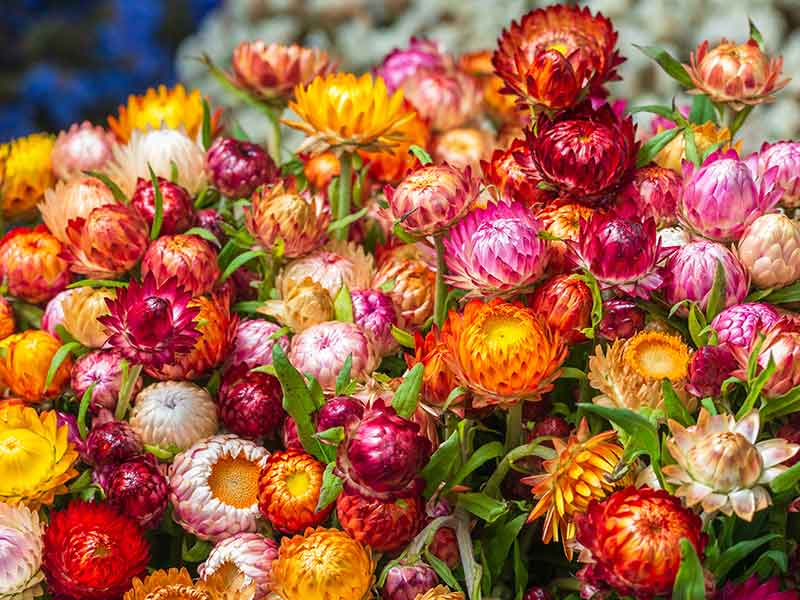
- Hardy Australian native annual with vibrant mixed-colour flowers including yellow, orange, pink, and red.
- Well-suited to arid, semi-arid, and low-water gardens.
- Produces long-lasting blooms that attract pollinators and add year-round colour to landscapes.
- Highly tolerant of drought, wind, and poor soils.
- Excellent for cut flowers, dried arrangements, and cottage-style gardens.
- Supports biodiversity by providing nectar for bees, butterflies, and other beneficial insects.
Plant Details
- Plant Type: Annual wildflower / garden bedding plant
- Plant Height: 30–80 cm tall; spreads up to 40–50 cm wide
Sowing Information
- Germination: 10–20 days
- Depth: Surface sow to 2 mm deep
- Position: Full sun
- Sow Where: Seed trays, tubes, or direct sow in prepared garden beds
- Soil Type: Well-draining soils; tolerates sandy, loamy, and poor soils
- Spacing: 20–30 cm between plants
Growing Tips
- Use light, well-drained soil and avoid heavy fertilisers.
- Keep soil lightly moist during germination and early growth.
- Deadhead spent flowers to encourage continuous blooming.
- Highly drought-tolerant once established; suited to low-maintenance gardens.
Flowering & Fruiting
Bright, papery flowers in a mix of colours appear throughout the growing season, providing long-lasting beauty for gardens and floral arrangements.
Traditional & Practical Uses
- Ideal for fresh and dried floral arrangements.
- Widely used in cottage gardens, wildflower meadows, and pollinator-friendly plantings.
- Perfect for adding vibrant colour to low-water and low-maintenance landscapes.
When to Sow Everlasting Daisy Mixed in Your Climate
| Climate Zone | Best Planting Time | Tips |
|---|---|---|
| Temperate | September–November | Warm spring soils improve germination and establishment. |
| Subtropical | April–June | Avoid peak heat and humidity during early growth. |
Reviews
There are no reviews yet.