
Chilli Growing Guide
Chilli seeds open up a huge range of flavours, colours and heat levels for home gardeners, urban growers and cooks.
From sweet peppers and mild chillies through to habaneros, Ghost Pepper and Carolina Reaper, different varieties vary enormously in flavour, fruit shape, plant size and Scoville heat.
This guide covers the main chilli groups, popular varieties, heat levels, growing conditions, small-space production, harvesting, seed saving and kitchen uses.
Capsicum
Warm season
Usually 7–21 days
Around 22–30°C
6+ hours direct sun
Commonly 60–120 days
Chilli, chili, hot pepper, capsicum, bell pepper and pepper.
Understanding Chilli Seeds and Capsicum Varieties
Chillies belong to the genus Capsicum, which includes both sweet peppers and extremely hot cultivars.
The most commonly cultivated chilli species include Capsicum annuum, Capsicum chinense, Capsicum frutescens and Capsicum baccatum.
Ranges from zero-heat sweet peppers through to super-hot varieties.
Can be sweet, fruity, smoky, grassy, tangy or intensely pungent.
Varieties range from compact bushes to larger, heavily cropping plants.
Long, round, conical, lantern-shaped, blocky or tiny and upright.
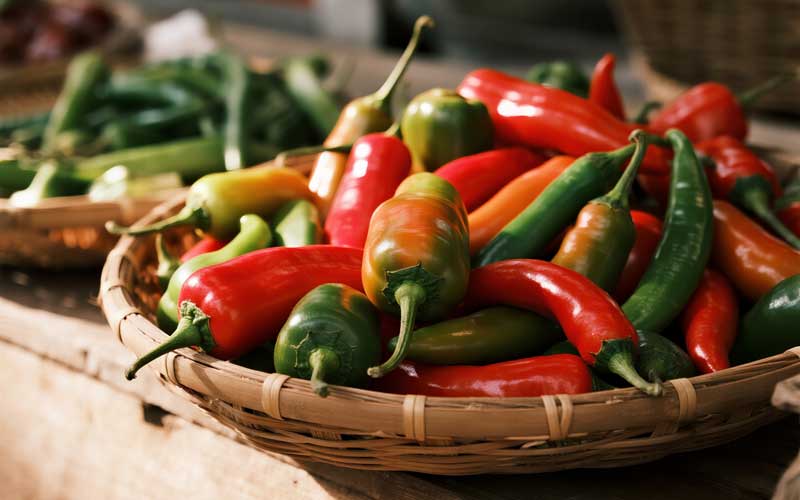
The easiest way to choose a chilli is to decide whether you want something for fresh eating, pickling, drying, sauces or extreme heat.
Popular Chilli Varieties: Mild to Super-Hot
Chilli varieties can be grouped roughly by heat level, but flavour and culinary use are just as important as Scoville rating.
Mild & Sweet
Capsicum annuum
Heat: 0 SHU
Large, sweet fruits for salads, roasting and stuffing.
Heat: About 0–1,000 SHU
Sweet to mildly warm, often used fresh, roasted or dried into powder.
Heat: About 500–2,500 SHU
Mild and versatile, particularly useful for roasting and Mexican-style dishes.
Medium Heat
Heat: About 2,500–8,000 SHU
Popular for salsa, pickling, stuffing and fresh use.
Heat: About 10,000–23,000 SHU
Crisp, clean heat that suits fresh salsa and sauces.
Heat: About 30,000–50,000 SHU
Productive variety widely used for drying, flakes and chilli powder.
Hot & Super-Hot
Habanero Yellow
Heat: About 100,000–350,000 SHU
Fruity flavour combined with strong heat. Particularly suited to hot sauces and Caribbean-style dishes.
Habanero Red
Heat: About 100,000–350,000 SHU
Intense heat with distinctive aromatic flavour.
Bhut Jolokia / Ghost Pepper
Heat: Roughly 800,000–1,000,000 SHU
Extremely hot and best handled carefully.
Carolina Reaper
Heat: 1,400,000+ SHU
An exceptionally hot cultivar suited to experienced growers and people specifically seeking super-hot chillies.
Wear gloves when harvesting or processing extremely hot varieties and avoid touching your eyes, face or other sensitive skin.
Specialty & Regional Varieties
Mild heat with rich red colour
Fruity Peruvian chilli
Round fruit for roasting or stuffing
The Scoville Scale and Chilli Heat Levels
The Scoville Heat Unit (SHU) scale estimates the pungency of chilli peppers by measuring compounds associated with capsaicin heat.
0–1,000 SHU
Sweet peppers, paprika and other very mild types.
1,000–30,000 SHU
Includes many jalapeño and serrano-type chillies.
30,000–100,000 SHU
Cayenne and many Bird’s Eye-style varieties.
100,000+ SHU
Habanero, Ghost Pepper, Carolina Reaper and similar cultivars.
Genetics are the major factor, but ripeness and growing conditions can influence the heat perceived in individual fruit.
Choosing the Right Chilli Seeds
Before choosing a chilli variety, consider three practical questions: How much space do you have? What climate are you growing in? How will you use the fruit?
1. Space
Compact chillies such as Jalapeño, Thai chillies and many cherry types work well in containers and small gardens.
Larger, heavily producing varieties benefit from bigger pots or dedicated garden-bed space.
2. Climate
Chillies prefer warmth and a long growing season.
Gardeners in cooler areas can start seed earlier under protection and transplant once temperatures are reliably warm.
3. How Will You Use Them?
Jalapeño, serrano and similar medium-heat chillies.
Cayenne and other thin-walled productive types.
Habanero, Aji and other aromatic hot chillies.
Anaheim, paprika types and larger mild chillies.
How to Grow Chilli Plants from Seed
Chillies are warm-season plants and often benefit from an early start, particularly in cooler parts of Australia.
Sow the Seeds
Sow approximately 3–6 mm deep into a light seed-raising mix.
Provide Warmth
Maintain approximately 22–30°C for reliable germination. Bottom heat can be useful in cooler conditions.
Give Seedlings Strong Light
Once seedlings emerge, provide bright light to encourage compact, sturdy growth.
Harden Off
Gradually expose seedlings to outdoor conditions over approximately 7–10 days before transplanting.
Transplant
Move plants outside once frost risk has passed and night temperatures are consistently mild.
Water & Feed
Keep soil evenly moist without leaving roots waterlogged and maintain appropriate fertility as plants grow.
3–6 mm
22–30°C for germination
About 30–60 cm
Around 6.0–7.0
Pollination
Growing Chillies in Pots and Small Spaces
Chillies are particularly well suited to urban gardens because many varieties grow successfully in containers.
Jalapeño, Cherry Bomb, Thai chilli and many ornamental types are well suited to pots.
Around 10–20 litres is useful for many medium-sized varieties, with larger plants benefiting from more root volume.
Aim for at least six hours of direct sunlight where practical.
Sheltered walls, courtyards and sunny balconies can provide useful extra warmth.
Soil, Water and Nutrient Requirements
Chillies perform best in fertile, free-draining soil with reasonably consistent moisture.
Soil
Aim for a well-drained growing medium with organic matter and a pH around 6.0–7.0.
Compost or well-rotted organic matter can improve soil structure and nutrient supply.
Water
Keep moisture reasonably even, particularly during flowering and fruit development.
Avoid leaving roots sitting in saturated soil.
Feeding Chillies
Young plants need balanced nutrition for healthy establishment. Once plants begin flowering and fruiting, avoid excessive nitrogen, which can encourage leafy growth at the expense of fruit production.
Suitable fertiliser programs should provide adequate potassium and other essential nutrients as fruit develops.
You can read this
research on NPK nutrition in chilli.
Organic mulch helps reduce moisture loss and moderate soil temperature around the root zone.
Pest and Disease Management
Healthy plants, adequate spacing, clean growing practices and regular inspection are the foundation of chilli pest and disease management.
Aphids
Often cluster on soft new growth. Monitor regularly and use appropriate low-impact controls where required.
Whitefly
Common on the underside of leaves, particularly in protected or warm growing environments.
Spider Mites
More likely under hot, dry conditions. Look for fine stippling and webbing on foliage.
Damping Off
Reduce risk by avoiding saturated seed-raising media and maintaining good airflow around young seedlings.
Bacterial Spot
Remove seriously affected material, avoid unnecessary leaf wetting and use clean seed and growing practices.
Flower Drop
Can be triggered by temperature extremes, moisture stress or other adverse growing conditions.
Good plant spacing, crop rotation, clean tools and avoiding prolonged leaf wetness can reduce the risk of several common problems.
Harvesting Chillies, Saving Seed and Storage
Chillies can often be harvested green or allowed to ripen to their mature colour, depending on the variety and intended use.
Harvesting
- Cut fruit with scissors or secateurs rather than pulling hard on the plant.
- Harvest regularly during productive periods.
- Wear gloves when handling extremely hot chillies.
Seed Saving
- Choose healthy, fully ripe fruit.
- Open-pollinated and heirloom varieties are the most predictable for true-to-type seed saving.
- Dry seed thoroughly before storage.
- Label with the variety and year.
Seed saved from an F1 hybrid can produce plants that differ substantially from the parent plant.
Storing & Preserving the Harvest
Refrigerate for short-term use
Use whole, flaked or powdered
Useful for later cooked dishes
Preserve flavour for longer use
Culinary Uses for Different Chillies
One of the advantages of growing several chilli varieties is that each can fill a different role in the kitchen.
Use in salsa, salads, garnishes, sandwiches and fresh sauces.
Roasting can soften texture and develop sweetness and complexity.
Turn productive varieties into flakes, powder or whole dried chillies.
Habaneros, Aji types and other aromatic chillies work well in fermented hot sauces and pastes.
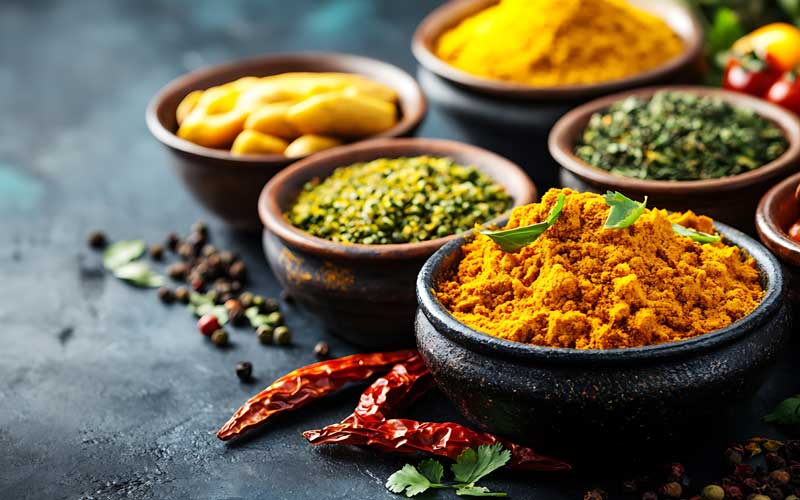
Grow one mild variety, one medium chilli and one genuinely hot variety. That gives far more flexibility than growing several chillies with almost identical heat and flavour.
Frequently Asked Questions
How Long Do Chillies Take from Seed to Harvest?
Many varieties take roughly 60–120 days, although timing varies considerably with cultivar, temperature and growing conditions.
Can Chillies Be Grown Indoors?
Yes, provided they receive sufficient warmth and strong light. Compact varieties are usually easier to manage indoors.
Why Are My Chilli Flowers Falling Off?
Temperature extremes, water stress and other growing stresses can contribute to flower drop.
Do Chillies Need Full Sun?
Chillies generally crop best in a sunny position with around 6–8 hours of direct light where possible.
Can I Save Chilli Seeds?
Yes. Choose mature healthy fruit from open-pollinated varieties and dry the seed thoroughly before storage.
Are Ornamental Chillies Edible?
Many ornamental chilli cultivars are edible, but flavour and heat can vary considerably. Confirm the individual variety before using it as food.
Start Growing Chillies from Seed
From sweet capsicums and mild roasting chillies to productive cayennes and super-hot varieties, chilli seed offers an enormous range of options for Australian gardeners.
Match the variety to your climate, available space and intended kitchen use, then provide warmth during germination, plenty of light, free-draining soil and steady care through flowering and fruit development.
Heat and flavour you will actually use
Seed with reliable warmth
In sun and free-draining soil
At the colour and maturity you prefer
Explore Chilli Seeds
Browse Seedmart’s range of chilli seeds, from mild varieties through to hot and super-hot cultivars.