
Cornflower Mixed Flower Seeds
Botanical Name: Centaurea cyanus
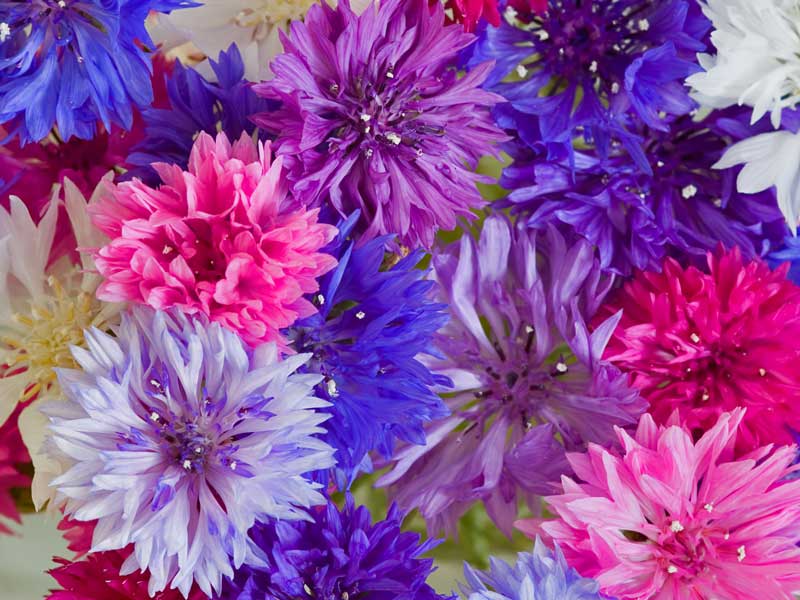
Cornflower Mixed is an easy-to-grow annual flowering plant producing masses of distinctive, finely ruffled flowers in a beautiful mixture of colours. Depending on the individual plants, blooms may include shades of blue, pink, white, mauve, purple and deeper rose tones, creating a relaxed cottage-garden display over slender grey-green foliage.
Also known as Bachelor’s Buttons, cornflowers are well suited to cottage gardens, flower borders, cutting gardens, wildflower-style plantings and pollinator gardens. Their upright stems make excellent cut flowers, while the open flower heads provide a valuable source of nectar and pollen for bees and other beneficial insects.
Cornflowers establish readily from seed and perform particularly well when direct sown into a sunny, well-drained position. Regular picking or deadheading encourages plants to continue producing flowers over an extended period.
Key Attributes
Beautiful Mixed ColoursProduces attractive ruffled flowers in a varied mixture that may include blue, pink, white, mauve, purple and rose shades. |
Excellent Cut FlowerLong, slender flowering stems make cornflowers particularly useful for fresh bouquets, informal arrangements and cutting gardens. |
Pollinator FriendlyThe open flower heads provide nectar and pollen for bees and other beneficial pollinating insects visiting the garden. |
Easy to GrowA hardy annual that establishes readily from seed and performs well in sunny positions with free-draining soil. |
Long Flowering DisplayRegular cutting and removal of faded blooms encourages continued flower production through the growing season. |
Versatile Garden FlowerIdeal for cottage gardens, borders, wildflower-style plantings, pollinator gardens, mass sowings and cut-flower production. |
Product Description
Cornflower Mixed is a colourful mixture of Centaurea cyanus, one of the classic annual flowers associated with traditional cottage gardens and flowering meadows. The plants produce slender branching stems topped with distinctive flower heads composed of finely divided, ruffled florets.
Rather than producing a single flower colour, this mixture creates a varied display that may include traditional cornflower blue together with shades of white, pink, mauve, purple and deeper rose. The combination is particularly effective when planted in groups or drifts, where the different colours intermingle naturally.
Plants generally develop an upright, branching habit and commonly grow approximately 60–90 cm tall under suitable conditions, although individual plants within a mixed population may vary. The narrow grey-green foliage provides a soft background to the brightly coloured flower heads.
Cornflowers are particularly useful for cut flower gardens. Their wiry stems hold the blooms above the foliage and combine readily with other annual flowers such as poppies, calendula, cosmos, larkspur, phacelia and baby’s breath. Frequent picking can also encourage the plants to continue producing additional flowering stems.
The flowers are attractive to bees and other pollinating insects, making cornflowers a valuable addition to wildlife-friendly gardens and flowering areas designed to increase floral diversity.
Cornflowers are relatively undemanding plants. They prefer full sun and free-draining soil and generally perform better where the soil is not excessively rich or waterlogged. Once established, plants tolerate periods of relatively dry weather, although watering during extended dry conditions will support stronger flowering.
For the most natural display, sow directly where the plants are intended to flower. Cornflowers can also be incorporated into annual flower mixtures or sown in dedicated rows for cut-flower production.
Why Grow Cornflower Mixed?
- Beautiful mixture of traditional cornflower colours.
- May produce blue, pink, white, mauve, purple and rose-toned flowers.
- Distinctive finely ruffled flower heads.
- Classic cottage-garden and meadow-style annual.
- Excellent flower for cutting and fresh arrangements.
- Attracts bees and other beneficial pollinating insects.
- Easy to establish directly from seed.
- Suitable for mass planting and naturalistic garden displays.
- Performs well in sunny, free-draining positions.
- Can tolerate relatively low-fertility soils once established.
- Regular cutting encourages continued flowering.
- Suitable for home gardens and larger landscape plantings.
- Combines readily with other annual wildflowers.
- Useful for cottage gardens, pollinator gardens and cutting gardens.
Plant Details
| Plant Type | Hardy annual flowering plant |
| Botanical Name | Centaurea cyanus |
| Common Names | Cornflower, Bachelor’s Buttons |
| Family | Asteraceae |
| Flower Colour | Mixed colours that may include blue, pink, white, mauve, purple and rose shades |
| Growth Habit | Upright, branching annual |
| Approximate Height | Approximately 60–90 cm; individual plants may vary |
| Approximate Spread | Approximately 20–30 cm |
| Position | Full sun |
| Soil | Well-drained garden soil; avoid persistently waterlogged conditions |
| Flowering | Spring to summer or through the cooler growing season, depending on climate and sowing time |
| Life Cycle | Annual |
| Uses | Flower borders, cottage gardens, cut flowers, pollinator gardens, mass plantings and wildflower-style displays |
Sowing Information
| Sowing Method | Direct sow where plants are to flower; seedlings may also be raised carefully in trays or cells |
| Sowing Depth | Approximately 5–10 mm |
| Germination | Usually approximately 7–14 days under suitable conditions |
| Plant Spacing | Approximately 20–30 cm |
| Row Spacing | Approximately 30 cm or according to the planting design |
| Position | Full sun |
| Soil | Free-draining soil; cornflowers generally do not require highly fertile soil |
| Watering | Keep moist during germination and establishment; water established plants during extended dry periods |
When to Sow Cornflower Seeds in Australia
| Climate Zone | Suggested Planting Time | Growing Notes |
|---|---|---|
| Cool | March – May and September – November | Autumn sowings can establish before winter, while spring sowings provide flowers through the warmer growing period. Avoid sowing into severely frozen or waterlogged soil. |
| Temperate | April – June and September – November | Cornflowers perform particularly well through the mild months. Autumn and early winter sowings can produce strong spring displays. |
| Subtropical | November – May | Best performance is generally obtained through the cooler part of the year. Avoid establishment during periods of extreme heat and humidity. |
| Tropical | April – June | Grow primarily through the cooler and drier season. Good airflow and free-draining soil are particularly important in humid regions. |
| Arid | April – October | Sow through the cooler months and provide irrigation during establishment and prolonged dry conditions. |
These sowing periods are general guides. Local frost dates, elevation, rainfall, summer heat, humidity and seasonal conditions should always be considered when deciding when to plant.
How to Grow Cornflower Mixed from Seed
Choose an open position receiving plenty of direct sunlight. Cornflowers flower most strongly in full sun and prefer soil that drains freely after rain or irrigation.
Prepare the planting area by removing established weeds and lightly cultivating the soil to produce a reasonably fine surface. Heavy applications of fertiliser are generally unnecessary. Excessively rich soil can encourage lush leafy growth at the expense of sturdy flowering stems.
Cornflowers are particularly well suited to direct sowing because the seedlings establish quickly where they are intended to grow.
Sow the seeds approximately 5–10 mm deep and cover lightly with soil. Water gently so that the seed remains in place.
Keep the soil consistently moist while germination occurs. Under suitable conditions, seedlings commonly emerge in approximately 7–14 days.
Once seedlings are established, thin crowded plants to approximately 20–30 cm apart. Adequate spacing improves branching, air circulation and flower production.
Water young plants while their root systems develop. Established cornflowers can tolerate relatively dry conditions, but supplementary watering during prolonged dry weather will support continued flowering.
Avoid consistently wet or waterlogged soil. Cornflowers perform best where excess moisture can drain readily away from the roots.
Once flowering begins, pick blooms regularly or remove fading flower heads to encourage further buds and extend the flowering display.
Growing Cornflowers for Cut Flowers
Cornflowers are traditional cut flowers and work particularly well in informal bouquets, cottage-style arrangements and mixed flower bunches.
For a dedicated cutting garden, sow the seeds in rows or blocks where the flowers can be reached easily. Plants grown for cutting may be positioned relatively closely while still maintaining sufficient airflow between plants.
Harvest flowering stems when the blooms are freshly opened and in good condition. Cut during the cooler part of the morning where practical and place the stems into clean water promptly.
Regular harvesting is beneficial because removing flowering stems before they form mature seed encourages the plants to direct more energy into producing additional buds.
Cornflowers combine particularly well in arrangements with:
- Cosmos
- Calendula
- Larkspur
- Poppies
- Baby’s breath
- Phacelia
- Linseed or flax
- Other cottage-garden annuals
For a continuous supply of flowers, smaller successive sowings can be made several weeks apart while seasonal conditions remain suitable.
Cornflowers for Bees and Pollinator Gardens
Cornflowers are a useful addition to bee-friendly and pollinator gardens. Their accessible flower heads provide nectar and pollen to visiting insects while adding strong colour and vertical structure to mixed flower plantings.
For pollinator habitat, grow cornflowers alongside other flowering species with different flower shapes and flowering periods. A diverse planting can provide a broader range of food resources over a longer season than a single flowering species alone.
Cornflowers can be combined with suitable annual flowers such as calendula, phacelia, poppies, alyssum, cosmos and other pollinator-friendly species.
Avoid unnecessary insecticide use while plants are in flower, particularly when bees and other beneficial insects are actively visiting the blooms.
Watering and Feeding
Maintain even moisture while the seeds germinate and during early seedling growth. Young plants have relatively small root systems and can be damaged if the surface soil dries completely during establishment.
Once plants are well established, cornflowers are reasonably tolerant of short dry periods. However, continued flowering is usually improved by supplementary watering during prolonged hot or dry weather.
Water around the base of the plants rather than repeatedly wetting the foliage where possible. Good airflow and well-drained soil help reduce the likelihood of fungal problems.
Cornflowers generally do not require heavy feeding. In average garden soil, excessive fertiliser can produce tall, soft vegetative growth rather than compact plants with abundant flowers.
Where soil is extremely poor, a moderate application of a balanced garden fertiliser or well-decomposed compost may be incorporated before planting.
Encouraging More Cornflower Blooms
Cornflowers naturally produce multiple flowering stems as the plants mature. Regular removal of flowers can significantly extend the flowering period.
For continued flowering:
- Grow plants in full sun.
- Avoid excessive nitrogen fertiliser.
- Maintain adequate moisture during prolonged dry periods.
- Pick flowers regularly for indoor arrangements.
- Remove faded blooms before mature seed develops.
- Make successive sowings where a particularly long flowering season is required.
If seed production is desired, leave selected flower heads on the plants after flowering rather than deadheading every bloom.
Deadheading Cornflowers
Deadheading simply means removing flowers once they begin to fade.
When a flower is allowed to mature completely, the plant begins directing energy towards seed development. Removing old flower heads encourages the plant to continue producing additional flowering stems.
Use clean scissors or secateurs to cut the faded stem back to a healthy leaf junction or branching point.
If you would like the plants to produce seed, stop deadheading selected flowers towards the end of the flowering season and allow the seed heads to mature naturally.
Growing Cornflowers in Pots and Containers
Cornflowers can be grown in sufficiently large containers provided the pot receives plenty of sunlight and drains freely.
Choose a container with adequate drainage holes and fill it with a quality free-draining potting mix. Avoid allowing containers to remain permanently saturated.
Because container-grown plants dry more quickly than plants growing in open ground, check soil moisture regularly during warm or windy weather.
Mixed cornflowers can provide a colourful vertical feature in larger containers and may be combined with lower-growing annual flowers around the edges.
Taller plants may require some protection from strong wind when containers are positioned in exposed locations.
Mass Planting Cornflowers
Cornflower Mixed is particularly effective when planted in larger groups rather than as isolated individual plants.
For informal mass planting, prepare a weed-free area, scatter seed reasonably evenly and rake lightly so the seed is covered by approximately 5–10 mm of soil.
Water carefully after sowing and maintain moisture until the seedlings are established.
As the plants mature, the mixture of flower colours creates an informal meadow or cottage-garden appearance. Cornflowers may also be incorporated into suitable annual flower seed blends.
Weed control during establishment is important because young cornflower seedlings can be overshadowed by vigorous weeds.
Flowering Period
Flowering time depends strongly on climate, sowing date and local seasonal conditions.
Autumn-sown cornflowers often establish during the cooler months and produce a strong flush of flowers in spring. Spring-sown plants generally flower later in spring and through summer in cooler regions.
In warm subtropical areas, cornflowers are often best treated as a cool-season annual and may flower through winter and spring following autumn sowing.
Individual flowers are relatively short-lived, but healthy plants continually develop new buds. Regular cutting and deadheading can therefore provide a much longer overall display.
Self-Seeding
Where mature flower heads are allowed to remain on the plants, cornflowers can drop seed into the surrounding soil.
Some of this seed may germinate naturally when temperature and moisture conditions become suitable.
The extent of self-seeding varies considerably according to climate, soil disturbance, rainfall, mulch depth and garden management.
If unwanted seedlings appear, they can usually be removed easily while young. Where self-seeding is not wanted, deadhead the plants before mature seed is released.
Perfect For
- Cottage gardens
- Cut flower gardens
- Fresh flower bouquets
- Mixed flower borders
- Pollinator gardens
- Bee-friendly plantings
- Wildlife gardens
- Wildflower-style displays
- Mass flowering areas
- Annual flower beds
- Naturalistic garden designs
- Large containers
- Informal landscaping
- Successive sowings for extended flowering
- Gardeners looking for easy-to-grow annual flowers
Frequently Asked Questions
What is Cornflower Mixed?
Cornflower Mixed is a seed mixture of Centaurea cyanus, a hardy annual flowering plant also commonly known as Bachelor’s Buttons. The mixture produces the characteristic ruffled cornflower blooms in a range of colours rather than a single colour.
What colours are in Cornflower Mixed?
Individual plants may produce flowers in shades including traditional cornflower blue, pink, white, mauve, purple and deeper rose tones. As this is a mixed seed population, the exact proportion of individual colours can vary.
Are cornflowers annuals or perennials?
Centaurea cyanus is normally grown as an annual. Plants germinate, grow, flower and produce seed within one growing cycle.
How tall does Cornflower Mixed grow?
Plants typically reach approximately 60–90 cm under suitable conditions, although individual plants can vary according to genetics, soil fertility, moisture, climate and spacing.
Are cornflowers easy to grow from seed?
Yes. Cornflowers are generally considered easy annual flowers to establish from seed. Direct sowing into prepared soil is particularly effective.
How long do cornflower seeds take to germinate?
Cornflower seed commonly germinates in approximately 7–14 days under suitable moisture and temperature conditions. Germination may be slower where soil is unusually cold or dry.
How deep should cornflower seeds be planted?
Sow the seeds approximately 5–10 mm deep and cover lightly with soil. Avoid burying them deeply.
Should cornflowers be direct sown?
Direct sowing is generally recommended because cornflowers establish readily where they are intended to flower. Seedlings can also be raised carefully in cells or trays where required.
When should I sow cornflower seeds in Australia?
The ideal sowing time depends on climate. In cool and temperate areas, autumn and spring are generally suitable. In subtropical and tropical areas, cornflowers are usually best grown through the cooler months rather than during extreme summer heat.
Can cornflowers be planted in autumn?
Yes. Autumn sowing is particularly useful in many Australian temperate regions. Plants can establish during the cooler period and produce flowers during winter or spring depending on climate.
Can cornflowers be planted in spring?
Yes. Spring sowing is particularly suitable in cool and temperate climates and can provide flowers through late spring and summer.
Do cornflowers need full sun?
Yes. Cornflowers generally flower best in full sun. Plants grown in excessive shade may become weaker, taller and produce fewer flowers.
What type of soil do cornflowers need?
Cornflowers grow in a wide range of soils provided drainage is good. They do not require exceptionally rich soil and often perform very well in moderately fertile garden soil.
Do cornflowers tolerate poor soil?
Yes. Cornflowers are relatively adaptable and can perform successfully in soils of moderate to relatively low fertility. Very rich soil is not necessary and may encourage excessive leafy growth.
Do cornflowers need much water?
Keep the soil moist during germination and early establishment. Mature plants are reasonably tolerant of short dry periods but flower more reliably when watered during extended drought or hot weather.
Can cornflowers tolerate drought?
Established cornflowers have a reasonable degree of drought tolerance, but prolonged moisture stress can reduce plant size and flowering. Young seedlings should not be allowed to dry severely while establishing.
Can Cornflower Mixed be grown in pots?
Yes. Cornflowers can be grown in large pots and containers with good drainage. Place containers in full sun and maintain sufficient moisture, particularly during warm weather.
Are cornflowers good cut flowers?
Yes. Cornflowers are excellent traditional cut flowers. Their slender stems and colourful blooms are particularly suited to informal bouquets, cottage-style arrangements and mixed flower bunches.
When should cornflowers be picked for cut flowers?
Harvest stems when the flowers are freshly opened and before they begin to fade. Picking during the cooler part of the day and placing stems promptly into clean water can help maintain flower quality.
Does picking cornflowers encourage more flowers?
Yes. Regular picking removes developing seed heads and encourages healthy plants to continue producing additional buds and flowering stems.
Should cornflowers be deadheaded?
Deadheading is recommended if prolonged flowering is the goal. Remove fading flowers regularly to encourage further bloom production. Leave some flowers untouched if you would like them to produce seed.
Are cornflowers attractive to bees?
Yes. Cornflowers provide nectar and pollen and are visited by bees and other pollinating insects, making them useful additions to pollinator-friendly gardens.
Are cornflowers suitable for a pollinator garden?
Yes. Cornflowers can form part of a diverse pollinator planting. For the greatest habitat value, combine them with other flowering plants that provide nectar and pollen at different times of the year.
Can cornflowers be used in wildflower gardens?
Yes. Cornflowers are particularly attractive in informal wildflower-style and meadow-style plantings. They are also suitable for dedicated annual flower beds and cottage gardens.
Can cornflowers be mass planted?
Yes. Mass sowing produces an attractive mixture of colours and is one of the most effective ways to display Cornflower Mixed. Prepare the site carefully and minimise weed competition during establishment.
Will cornflowers self-seed?
Cornflowers can self-seed where mature flower heads are allowed to release seed and local conditions are suitable for germination. The amount of natural reseeding varies according to climate and garden conditions.
How can I stop cornflowers self-seeding?
Remove faded flower heads before the seeds mature. Regular deadheading both limits seed production and encourages the plants to continue flowering.
Can cornflowers be grown with other flowers?
Yes. Cornflowers combine particularly well with other informal annual flowers including poppies, calendula, cosmos, larkspur, phacelia, baby’s breath and flax.
How far apart should cornflowers be planted?
Thin or transplant seedlings to approximately 20–30 cm apart. Closer spacing creates a denser display, while slightly wider spacing generally encourages stronger branching and better airflow.
Do cornflowers need fertiliser?
Usually very little fertiliser is required in average garden soil. Excessive nitrogen can encourage tall, leafy growth and softer stems rather than improved flowering.
Why are my cornflowers tall and floppy?
Excessive fertility, insufficient sunlight, overcrowding or sheltered conditions can encourage weak elongated growth. Grow cornflowers in full sun, avoid excessive nitrogen fertiliser and provide reasonable spacing between plants.
How do I keep cornflowers flowering longer?
Grow the plants in full sun, maintain adequate moisture during dry weather and regularly pick or deadhead the flowers. Successive sowings can also extend the overall flowering season.
Can I make successive sowings of cornflower seeds?
Yes. Smaller sowings made several weeks apart can help provide flowers over a longer period while local growing conditions remain favourable.
Is Cornflower Mixed suitable for beginner gardeners?
Yes. Cornflowers germinate readily, require relatively little feeding and grow successfully in a wide range of well-drained garden soils, making them an excellent annual flower for new gardeners.
What is another name for cornflower?
Cornflower is also widely known as Bachelor’s Buttons. Its botanical name is Centaurea cyanus.
What can I plant with Cornflower Mixed?
Cornflowers pair well with other cottage-garden and annual flowering plants such as poppies, calendula, cosmos, larkspur, phacelia, flax and baby’s breath. Combining different flower shapes and heights creates a more natural and diverse display.
Reviews
There are no reviews yet.