

Chilli ‘Cayenne Long Red Thin Hot’ Vegetable Seeds
Grow long, slender, hot red Cayenne chillies for fresh cooking, drying, chilli flakes, sauces and homemade Cayenne pepper.
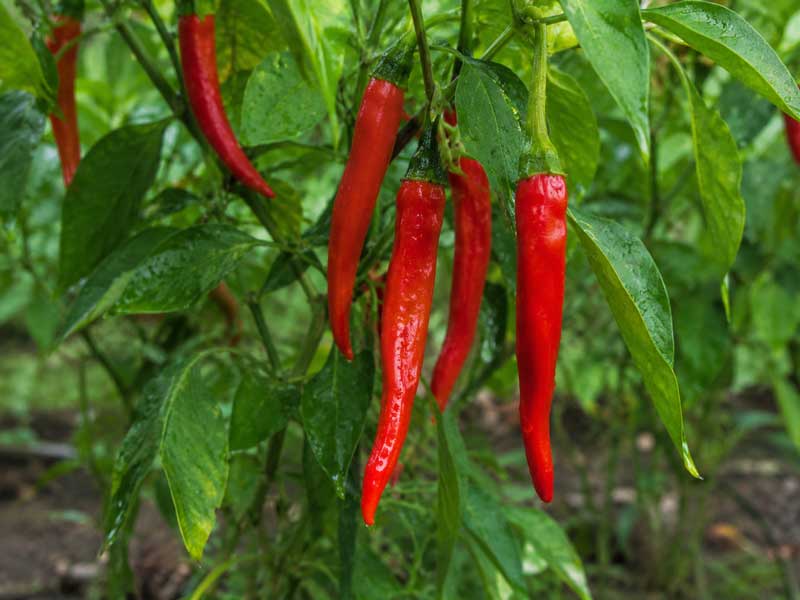
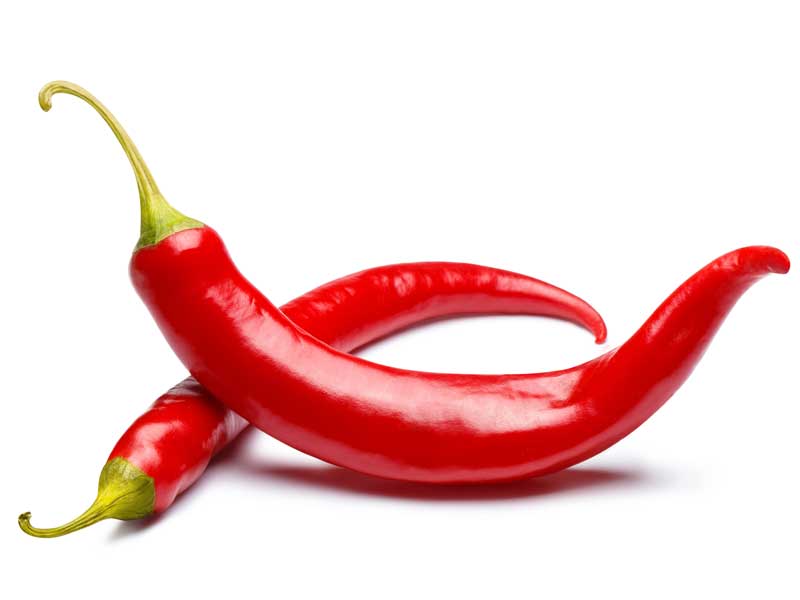
Cayenne Long Red Thin Hot Chilli (Capsicum annuum) is a popular hot chilli variety producing narrow, elongated fruit typically measuring approximately 10–15 cm long. The thin-walled chillies develop from green to bright red as they mature, making them suitable for harvesting fresh or drying for later use.
Known for its distinctive heat and versatile culinary applications, Cayenne is widely grown by home gardeners, market gardeners and chilli enthusiasts. Its thin flesh makes it particularly suitable for drying and grinding into chilli powder.
Plants develop a bushy, branching habit and can produce numerous chillies throughout the warm growing season. Grow in full sun with fertile, well-drained soil, consistent moisture and protection from frost.
Cayenne Long Red Thin Hot Chilli Seed Details
| Botanical name | Capsicum annuum |
|---|---|
| Variety | Cayenne Long Red Thin Hot |
| Plant type | Warm-season, frost-tender chilli |
| Fruit shape | Long, narrow, slightly curved and tapering to a pointed tip |
| Fruit length | Approximately 10–15 cm |
| Fruit colour | Green, ripening to bright red |
| Heat level | Hot; commonly around 30,000–50,000 Scoville Heat Units (SHU), depending on strain and growing conditions |
| Plant height | Approximately 60–90 cm in favourable conditions |
| Position | Full sun |
| Sowing depth | Approximately 5–6 mm |
| Plant spacing | Approximately 45–50 cm |
| Growing conditions | Warm temperatures and fertile, well-drained soil |
Why Grow Cayenne Long Red Thin Hot Chilli?
- Produces long, slender chillies with a distinctive hot flavour.
- Thin-walled fruit is particularly suitable for drying and grinding into Cayenne pepper.
- Productive plants can provide repeated harvests throughout the warm growing season.
- Harvest green chillies for cooking or allow them to mature to bright red.
- Suitable for vegetable gardens, raised beds, market gardens and large containers.
- Versatile for hot sauces, chilli flakes, spice blends, marinades and preserves.
- Popular traditional Cayenne type for growers wanting a reliable supply of hot chillies.
How to Grow Cayenne Chilli from Seed
Cayenne chillies require warmth for successful germination and establishment. Starting seeds in trays or individual cells allows better control over temperature and moisture before transplanting outdoors.
- Choose a sunny growing position.
Select a location receiving plenty of direct sunlight, preferably sheltered from strong winds. Adequate sunlight encourages flowering, fruit development and ripening. - Prepare the soil.
Use fertile, well-drained soil enriched with mature compost. Avoid heavy, waterlogged soil, which can restrict root development. - Sow the seeds.
Sow approximately 5–6 mm deep into trays, seedling cells or small pots filled with quality seed-raising mix. Cover lightly and water gently. - Maintain warmth and moisture.
Aim for a germination temperature of approximately 22–28°C. Keep the growing medium evenly moist but not saturated. Germination commonly takes 7–21 days under suitable conditions, although cooler temperatures can delay emergence. - Transplant after frost.
Gradually harden seedlings before planting outdoors. Transplant when the danger of frost has passed and soil and overnight temperatures are consistently warm. - Allow adequate spacing.
Space plants approximately 45–50 cm apart. Provide sufficient space between rows for airflow, maintenance and harvesting. - Water and feed regularly.
Maintain consistent moisture, particularly during flowering and fruit development. Apply a balanced vegetable fertiliser according to its instructions. Stake plants if necessary to support fruiting branches. - Harvest regularly.
Pick well-developed green chillies or allow fruit to ripen fully red. Use clean scissors or secateurs to avoid damaging the branches.
When to Plant Cayenne Chilli Seeds in Australia
Cayenne chillies grow best during warm weather. Sowing times depend on regional climate, local temperatures and frost risk. In cooler areas, starting seeds indoors provides a longer growing season.
| Climate | General Sowing Guide |
|---|---|
| Tropical | Sow during suitable warm periods through much of the year. Avoid establishment during prolonged heavy rain or extreme heat. |
| Subtropical | Spring and summer, with an extended planting window in warm, frost-free locations. |
| Temperate | Start seeds indoors with warmth in late winter or early spring. Transplant outdoors after frost danger has passed. |
| Cool / frost-prone | Raise seedlings under cover with additional warmth. Plant outdoors only when temperatures are consistently warm and frost risk has passed. |
Use this table as a general guide and adjust sowing dates to your local conditions. Cold soil can significantly delay chilli seed germination and seedling establishment.
How Hot Is Cayenne Long Red Thin Hot Chilli?
Cayenne Long Red Thin Hot is a hot chilli commonly associated with approximately 30,000–50,000 Scoville Heat Units (SHU). This places typical Cayenne chillies above Jalapeños in heat, although individual varieties and growing conditions can produce considerable variation.
The chillies deliver a pronounced, sharp heat that makes them popular for sauces, chilli powders, spice blends and strongly flavoured dishes.
Heat can vary between plants and individual fruit. Start with a small quantity when cooking and adjust according to taste.
Harvesting Cayenne Chillies
Cayenne chillies can be harvested green or left on the plant until fully red. The preferred harvest stage depends on whether the fruit is intended for fresh cooking, drying or processing.
Green chillies: Pick firm, well-developed green fruit for cooking, pickling, stir-fries and savoury dishes.
Red chillies: Allow fruit to mature fully to bright red for fresh hot sauces, drying, chilli flakes and Cayenne powder.
For drying: Harvest fully coloured, healthy red fruit without soft spots, mould or damage. The thin walls make Cayenne particularly suitable for dehydration.
For fresh sales: Select firm, evenly coloured fruit and handle carefully to minimise bruising and damage.
Fruit maturity depends on temperature, planting date and growing conditions. Regular harvesting can encourage continued flowering and fruit development while conditions remain favourable.
How to Use Cayenne Chillies
- Cayenne pepper: Dry fully ripe red chillies and grind them into a fine powder for seasoning.
- Chilli flakes: Crush thoroughly dried chillies into flakes for pizzas, pasta, marinades and cooked dishes.
- Hot sauces: Use ripe red fruit in homemade chilli sauces and spicy condiments.
- Fresh cooking: Finely chop green or red chillies into curries, stir-fries, soups and savoury dishes.
- Pickling: Preserve sound chillies using a tested pickling recipe.
- Spice blends: Combine dried Cayenne with herbs and spices for rubs, marinades and seasoning mixes.
- Drying and storage: Dehydrate ripe chillies thoroughly before storing in airtight containers in a cool, dry location.
Growing Cayenne Chilli in Pots
Cayenne Long Red Thin Hot can be grown successfully in large pots and containers, making it suitable for patios, courtyards and smaller growing spaces.
Choose a container approximately 30 cm or more in diameter with adequate drainage holes. Fill with quality potting mix and position in a warm location receiving plenty of direct sunlight.
Container-grown chillies require regular watering because potting mix can dry out quickly during warm weather. Apply a suitable vegetable fertiliser according to the manufacturer’s instructions.
Provide a stake if needed to support fruiting branches, and allow sufficient airflow around the plant.
In frost-free climates, healthy chilli plants may continue growing beyond a single season, although productivity varies with temperature and plant health.
Frequently Asked Questions
What is Cayenne Long Red Thin Hot Chilli?
Cayenne Long Red Thin Hot is a variety of Capsicum annuum producing long, narrow, pointed chillies that ripen from green to bright red. The fruit is known for its hot flavour and suitability for drying, grinding and fresh cooking.
How long do Cayenne chillies grow?
The slender fruit typically measures approximately 10–15 cm long, although size varies with growing conditions and individual plants.
How hot are Cayenne Long Red Thin Hot chillies?
Typical Cayenne chillies are commonly rated around 30,000–50,000 Scoville Heat Units. Actual heat varies with the strain, growing environment and individual fruit.
Can Cayenne chillies be harvested green?
Yes. Cayenne chillies can be picked when firm and green or left on the plant until fully red. Both stages are suitable for cooking, although fully ripe red fruit is generally preferred for drying and making Cayenne pepper.
Are Cayenne chillies good for drying?
Yes. Cayenne chillies have relatively thin fruit walls, making them particularly suitable for dehydration. Fully dried red chillies can be crushed into flakes or ground into powder.
How deep should I sow Cayenne chilli seeds?
Sow approximately 5–6 mm deep in quality seed-raising mix. Maintain consistent warmth and gentle moisture during germination.
How long do Cayenne chilli seeds take to germinate?
Germination commonly takes approximately 7–21 days under suitable warm conditions. Cooler temperatures or inconsistent moisture can delay emergence.
How far apart should I plant Cayenne chillies?
Allow approximately 45–50 cm between plants, with adequate row spacing for airflow, maintenance and harvesting.
Can I grow Cayenne chillies in containers?
Yes. Cayenne chillies grow well in large pots with adequate drainage, quality potting mix, regular watering and sufficient sunlight.
Does Cayenne Chilli need full sun?
Cayenne performs best in a warm, sunny position with plenty of direct sunlight. Adequate light supports flowering, fruit production and ripening.
Are Cayenne chilli plants perennial?
Cayenne chillies are frost-tender plants commonly grown as annuals. In warm, frost-free conditions, healthy plants may survive and produce fruit over more than one growing season.
Why are my Cayenne chilli seeds slow to germinate?
Cool growing media, excessive moisture and inconsistent temperatures can slow germination. Maintain steady warmth and avoid saturating the seed-raising mix.
Why is my Cayenne chilli plant producing flowers but no fruit?
Extreme temperatures, insufficient light, water stress and poor pollination can interfere with fruit set. Maintain consistent watering and suitable growing conditions.
Where can I buy Cayenne Long Red Thin Hot Chilli seeds in Australia?
Seedmart Australia supplies Cayenne Long Red Thin Hot Chilli seeds for home gardeners, market gardeners and growers wanting to produce fresh or dried hot chillies.
Learn More About Growing Chillies
Read our Ultimate Guide to Chilli Varieties for more information on choosing chilli seeds, growing chilli plants and harvesting your crop.
Reviews
There are no reviews yet.