
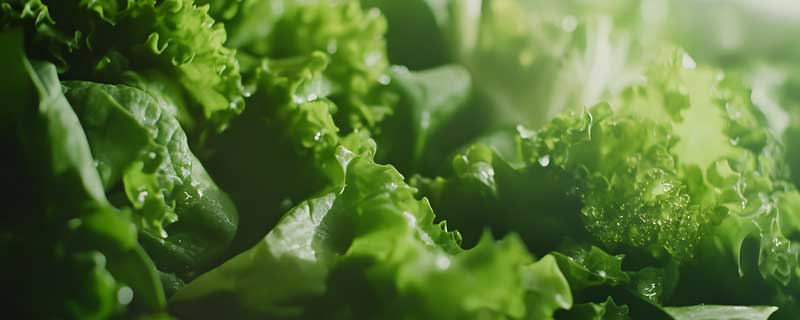
Lettuce is one of the most versatile leafy greens grown and enjoyed worldwide. Its ease of growth and culinary adaptability make it a staple for urban farmers, home gardeners, and chefs alike. From crisphead to looseleaf, each variety offers unique flavors, textures, and growth habits, making lettuce an essential crop for any garden or kitchen.
Common Names: Lettuce, Iceberg, Romaine, Butterhead, Looseleaf.
Choosing the right lettuce variety can be overwhelming due to the sheer diversity available. Understanding the main types and their unique characteristics allows gardeners to maximize yield, space, and culinary potential. This guide explores everything from the main types of lettuce to specialty varieties, growing tips, and culinary applications, providing a complete resource for both novice and experienced growers.
Table of Contents
- Understanding Lettuce: An Overview
- The History of Lettuce
- The Four Main Types of Lettuce
- Lesser-Known and Specialty Lettuce Varieties
- Lettuce Varieties for Urban and Small-Space Gardens
- Growing Tips for Healthy Lettuce
- Soil and Nutrient Requirements
- Pest and Disease Management
- Harvesting and Storage
- Choosing the Right Lettuce for Your Needs
- Culinary Uses: How to Enjoy Different Lettuce Types
- Frequently Asked Questions About Lettuce Varieties
- Conclusion: Exploring the World of Lettuce Varieties
Understanding Lettuce: An Overview
Lettuce (Lactuca sativa) is one of the most widely consumed leafy greens in the world, valued for its crisp texture, mild flavor, and nutritional content. Originating in the Mediterranean region, lettuce has been cultivated by ancient civilizations for centuries and continues to be a staple in modern gardens and kitchens.
There are countless types of lettuce, each with distinct growth patterns, flavors, and culinary uses. Common nutrients include vitamin A, vitamin K, folate, and dietary fiber. When categorizing lettuce, key factors considered are leaf texture, color, growth habit, and head formation.
Most lettuce varieties fall into four primary categories:
- Crisphead (Iceberg): Known for dense, crunchy heads.
- Butterhead: Soft, tender, buttery leaves.
- Romaine (Cos): Upright, dark green leaves forming prominent heads.
- Looseleaf: Open, non-heading varieties with versatile shapes and colors.
Understanding these categories helps urban farmers, small-space gardeners, and chefs select appropriate varieties for their space, climate, and culinary needs. Freshness, texture, and flavor diversity can be optimized with the right choice.
The History of Lettuce
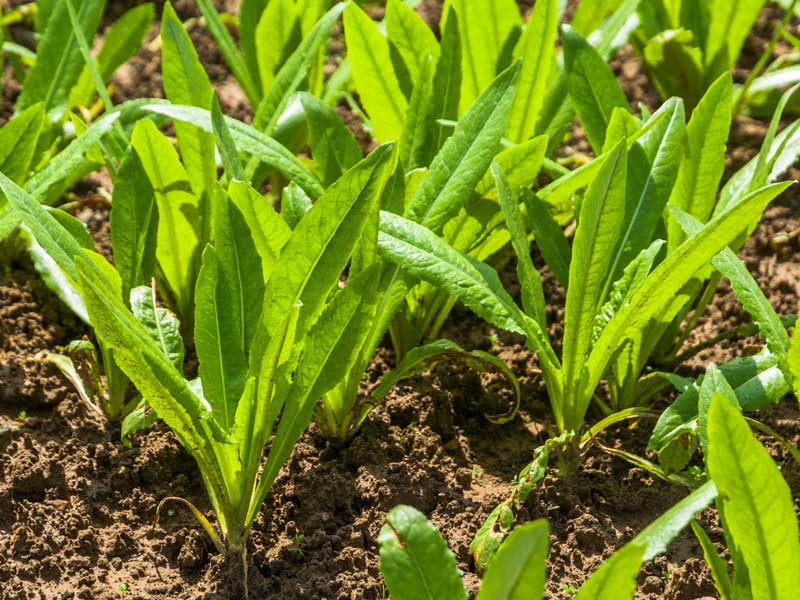 Lettuce has a rich history dating back thousands of years. Ancient Egyptians cultivated it for both food and medicinal purposes, believing it promoted digestion and sleep. The Greeks and Romans further expanded its cultivation, spreading lettuce throughout Europe.
During the Middle Ages, lettuce became a common garden vegetable in Europe. By the 16th century, it was introduced to the Americas, where settlers continued to grow and hybridize different varieties. Today, lettuce is cultivated worldwide, reflecting its enduring popularity due to adaptability, nutrition, and culinary versatility.
The Four Main Types of Lettuce
Lettuce varieties are generally categorized into four main types. Each type has unique characteristics that cater to specific gardening conditions, tastes, and culinary uses. Whether you are an urban farmer with limited space, a home gardener, or a chef, these types can meet your needs.
- Crisphead (Iceberg): Known for its crunch and tight head formation.
- Butterhead: Soft, sweet leaves forming loose rosettes.
- Romaine (Cos): Tall, upright, firm leaves suitable for salads and grilling.
- Looseleaf: Open leaves in various colors, harvested continuously.
Crisphead (Iceberg) Lettuce
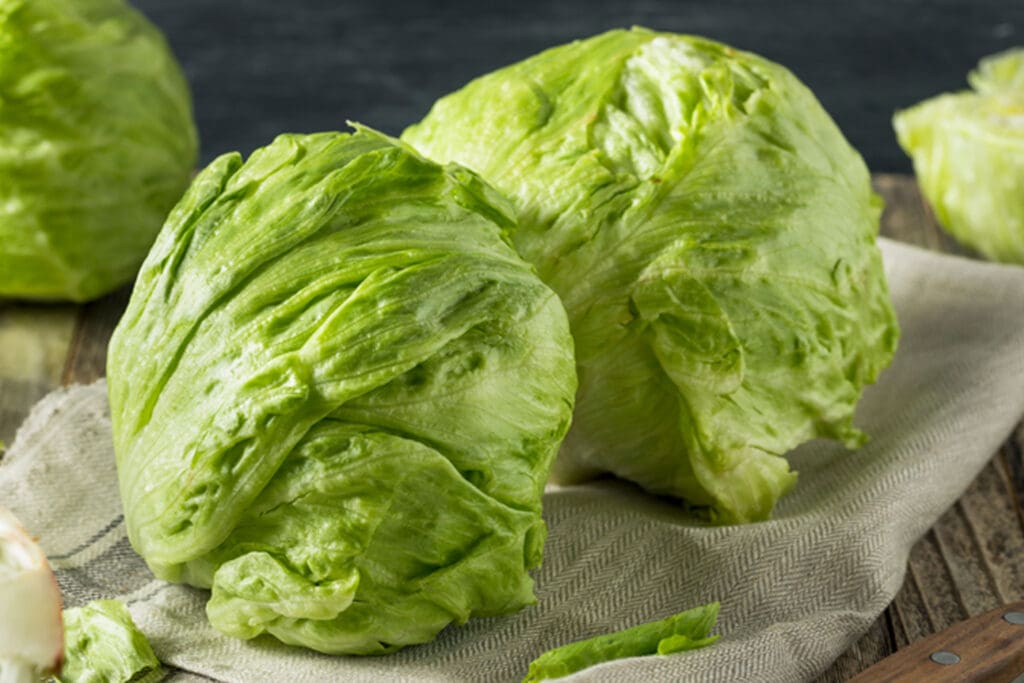
Crisphead lettuce, or Iceberg, is prized for its dense, crunchy texture. Its tight, cabbage-like head makes it ideal for salads, wraps, and sandwiches. Low in calories and high in water content, Iceberg has a refreshing quality and mild flavor that pairs with almost any dressing.
Iceberg lettuce prefers cooler temperatures and requires ample space for head formation. Consistent watering is essential, and beginners may find it slightly challenging to cultivate. Proper attention to moisture and temperature ensures a crisp, rewarding harvest.
Butterhead Lettuce (Boston and Bibb)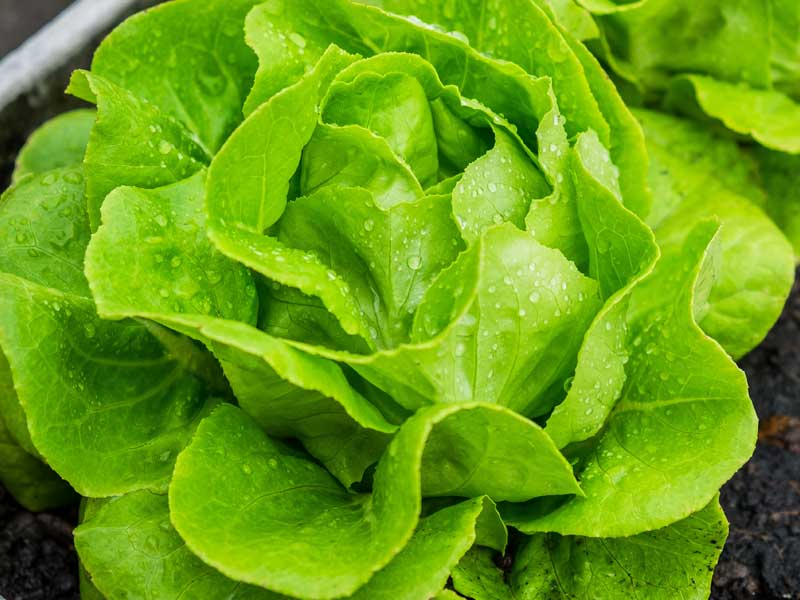
Butterhead varieties, including Boston and Bibb, feature soft, tender leaves with a sweet, buttery flavor. The loose rosette heads are perfect for small gardens or containers, making them highly suitable for urban growers.
Butterhead lettuce grows well in moderate climates with regular watering. Frequent harvesting encourages tender leaves and prevents bolting. Its delicate texture is ideal for salads and wraps, and its adaptability makes it a favorite among gardeners of all levels.
Romaine (Cos) Lettuce
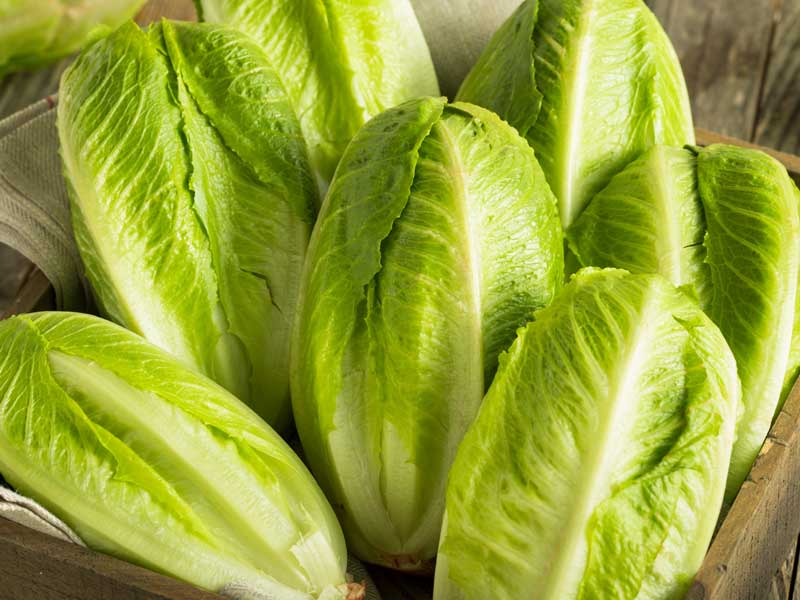 Romaine, or Cos lettuce, has long, upright, dark green leaves with a firm texture. Its robust flavor makes it popular for Caesar salads, grilled dishes, and hearty sandwiches. Rich in vitamins, minerals, and antioxidants, Romaine is both nutritious and versatile.
Romaine prefers full sun and well-draining soil, tolerating warmer climates better than other lettuce types. Consistent moisture and proper spacing ensure healthy growth and robust heads, making it a reliable choice for gardeners seeking flavor and resilience.
Looseleaf Lettuce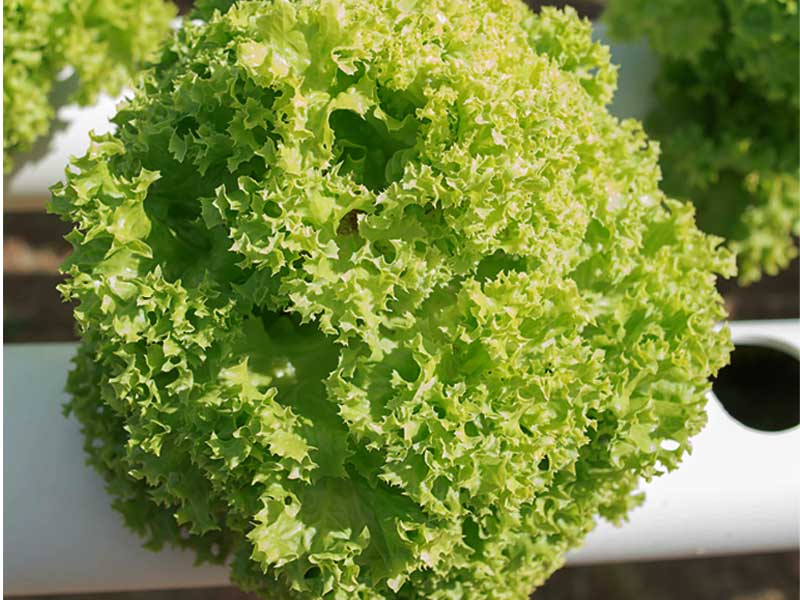
Looseleaf lettuce encompasses a wide variety of colors and leaf shapes. Unlike other types, it does not form a head, allowing for continuous harvesting of outer leaves. Its rapid growth and forgiving nature make it excellent for beginners and urban gardeners.
Looseleaf thrives in cool weather and can be grown in containers, raised beds, or traditional plots. With proper succession planting, gardeners can enjoy a steady supply of fresh leaves throughout the season, perfect for diverse culinary uses.
Lesser-Known and Specialty Lettuce Varieties
Beyond the main types, numerous specialty and heirloom lettuces provide unique textures, flavors, and aesthetics. These varieties are particularly appealing for chefs and home gardeners looking to diversify their harvest.
- Oakleaf Lettuce: Oak-shaped leaves with tender texture.
- Batavia (Summercrisp) Lettuce: Crisp, sweet leaves that tolerate heat.
- Little Gem Lettuce: Compact, sweet, and fast-growing.
- Speckled and Red Leaf Lettuces: Vibrant colors and mild flavors.
 Oakleaf Lettuce
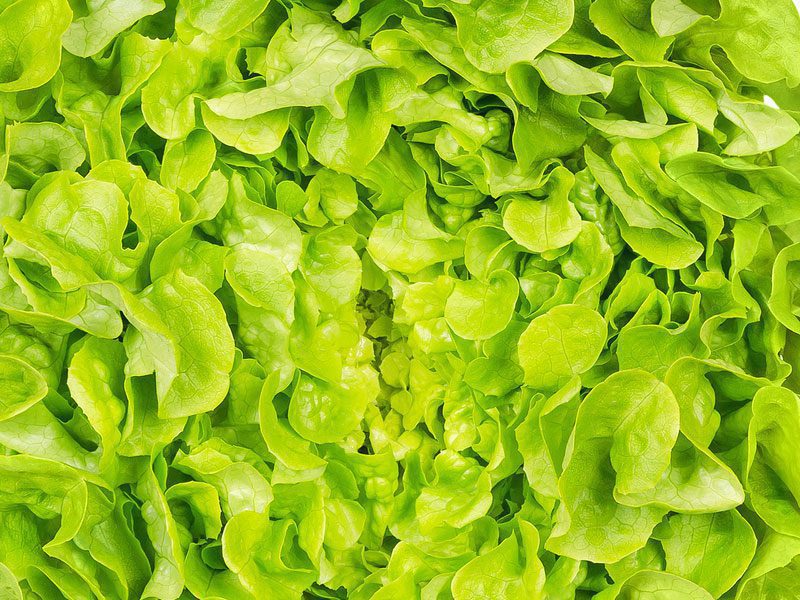
Oakleaf lettuce features oak-shaped leaves in shades of green and red. Its mild taste and tender leaves make it ideal for fresh salads. Oakleaf is resilient, resists bolting, and thrives in variable conditions, providing continuous harvest with minimal effort.
 Batavia (Summercrisp) Lettuce
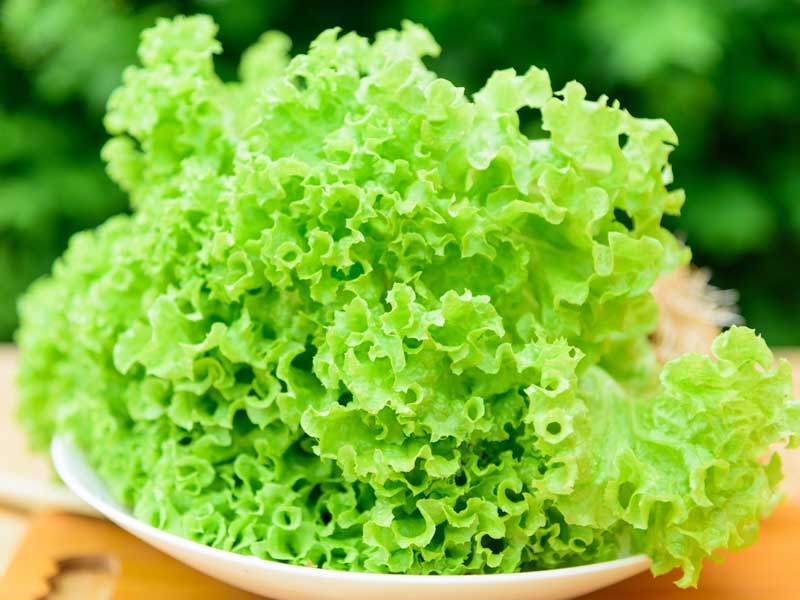
Batavia, also known as Summercrisp, combines crisphead and looseleaf qualities. Its sweet, firm leaves are heat-tolerant, making it suitable for warm climates. Batavia performs well in salads, sandwiches, and wraps, adding both texture and flavor.
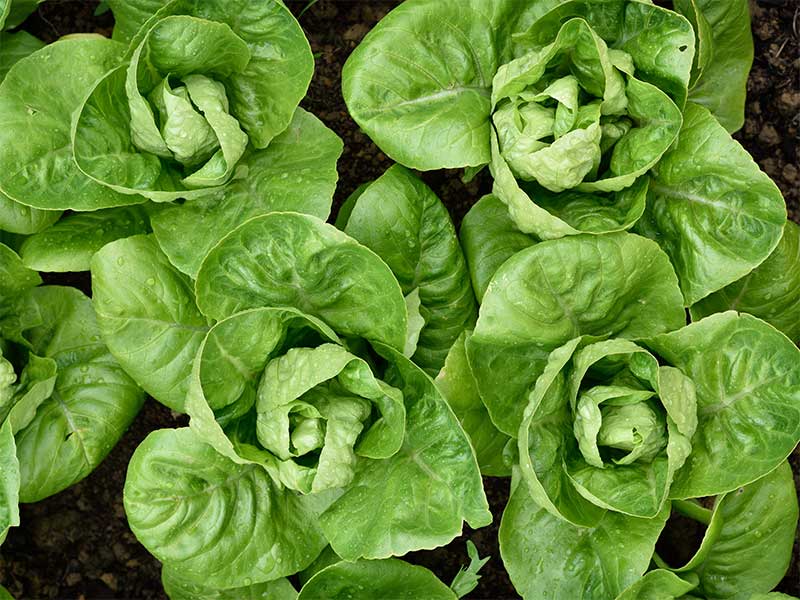 Little Gem Lettuce
Little Gem is small, tender, and flavorful, offering a gourmet experience in a compact form. Perfect for containers or small gardens, it matures quickly and is suitable for fresh salads, garnishes, and appetizers.
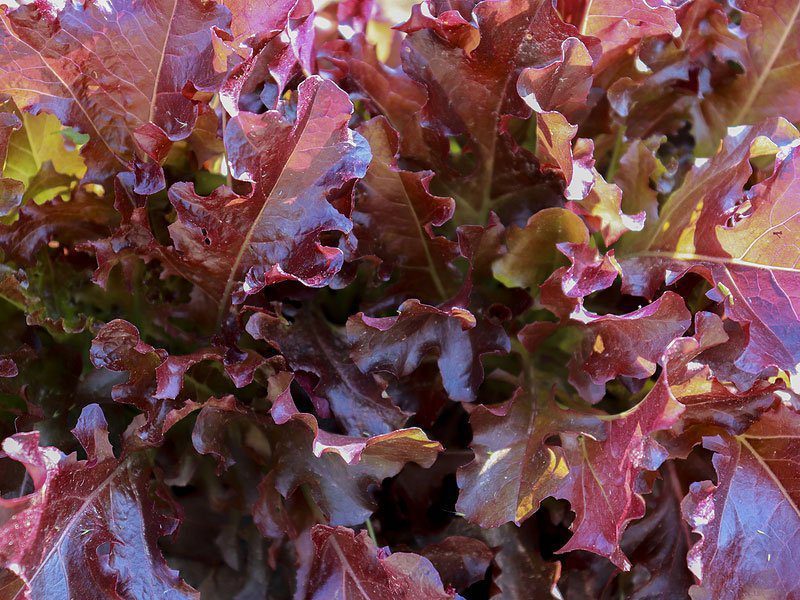 Speckled and Red Leaf Lettuces
These lettuces are visually striking, with colorful leaves that add appeal to salads and mixed greens. Open leaf structure allows continuous harvesting, and their mild, sweet flavor enhances both taste and presentation.
Lettuce Varieties for Urban and Small-Space Gardens
Urban gardeners often face limited space and variable sunlight. Lettuce adapts well to these constraints due to shallow roots and compact growth habits. Some varieties excel in confined spaces, such as Little Gem, Looseleaf, and Oakleaf.
- Little Gem: Compact and high-yielding for containers.
- Looseleaf: Quick-growing with easy continuous harvest.
- Oakleaf: Resilient and adaptable to different container sizes.
These varieties ensure urban growers can maximize space while maintaining a fresh supply of greens throughout the year.
Growing Tips for Healthy Lettuce
- Plant in cool weather to avoid bolting.
- Use nutrient-rich, well-draining soil.
- Water consistently, avoiding waterlogged conditions.
- Provide 6–8 hours of sunlight daily.
- Mulch to retain moisture and regulate soil temperature.
- Practice succession planting for continuous harvest.
Following these guidelines ensures vigorous growth and healthy, flavorful leaves throughout the season.
Soil and Nutrient Requirements
Lettuce thrives in slightly acidic to neutral soil (pH 6.0–7.0) enriched with organic matter. Nitrogen promotes leaf growth, while phosphorus and potassium support root and overall plant health. Regular soil amendments with compost or balanced fertilizers help maintain optimal growth conditions and improve yield.
Pest and Disease Management
Common pests include aphids, slugs, snails, and caterpillars, while diseases such as downy mildew and lettuce mosaic virus can affect crops. Preventive measures include:
- Proper spacing for airflow.
- Crop rotation to reduce disease buildup.
- Handpicking pests and using organic deterrents.
- Maintaining consistent moisture and avoiding overhead watering.
Harvesting and Storage
Lettuce can be harvested when leaves reach desired size. Looseleaf allows continual harvesting, while head lettuces should be cut at the base. Store in a cool, humid environment to preserve freshness. Proper handling maintains texture, flavor, and nutritional content.
Choosing the Right Lettuce for Your Needs
Consider flavor, texture, growing conditions, and space when selecting lettuce. Crisphead is ideal for crunchy salads, Butterhead for soft wraps, Romaine for hearty salads, and Looseleaf for continuous harvest. Aligning your choice with culinary and gardening needs ensures a successful harvest and enjoyable meals.

Culinary Uses: How to Enjoy Different Lettuce Types
Lettuce is highly versatile in the kitchen. Each variety offers unique culinary possibilities:
- Crisphead: Crunchy addition to sandwiches, wraps, and tacos.
- Butterhead: Soft leaves for elegant salads and wraps.
- Romaine: Robust leaves for Caesar salads, grilling, or hearty sandwiches.
- Looseleaf: Colorful, versatile leaves for salads, smoothies, or garnishes.
- Oakleaf: Adds visual appeal and mild flavor to mixed greens.
- Little Gem: Small heads ideal as edible cups or appetizers.
Experimenting with these varieties enhances texture, flavor, and presentation, bringing a creative touch to any dish.
Frequently Asked Questions About Lettuce Varieties
- How long does it take to grow lettuce? Typically 30–60 days from seed to harvest.
- Which lettuce is easiest to grow? Looseleaf is forgiving and ideal for beginners.
- Can lettuce grow indoors? Yes, with sufficient light.
- Which varieties tolerate hot climates? Batavia and Summercrisp perform well in heat.
- Best lettuce for wraps? Butterhead leaves are tender and flexible.
Conclusion: Exploring the World of Lettuce Varieties
Understanding the main types of lettuce, their growing requirements, and culinary uses opens a world of possibilities for gardeners and chefs. From urban containers to backyard plots, lettuce offers a reliable, nutritious, and flavorful harvest year-round. With proper selection, care, and creativity in the kitchen, you can enjoy a diverse array of fresh, homegrown greens that elevate your meals and enrich your garden.
Click here to shop our full range of lettuce seeds for your garden!
