
Sunflower Sunbird Flower Seeds Organic
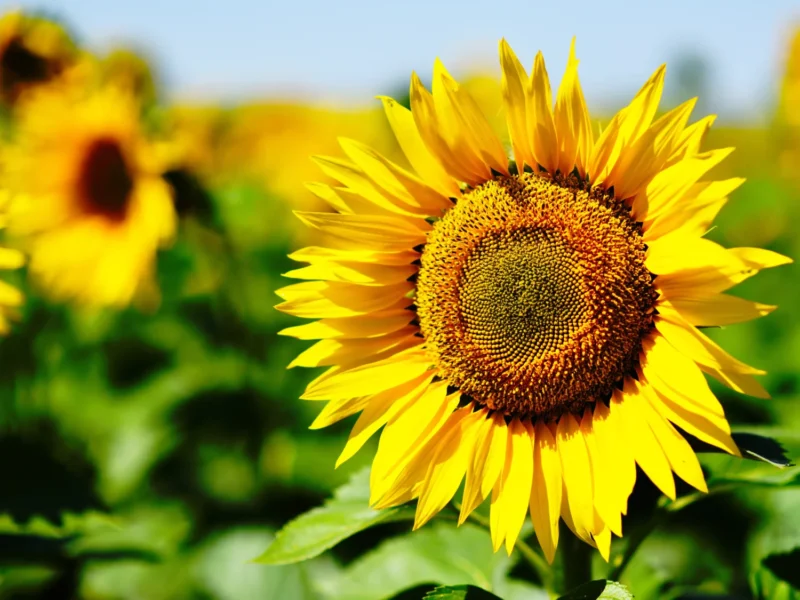
A tall, vigorous sunflower producing large golden-yellow blooms followed by edible seeds. Sunbird adds impressive height to sunny garden beds and is a useful choice for productive gardens, pollinator plantings and seasonal screens.
These organic, open-pollinated seeds grow into annual plants reaching approximately 2–2.5 metres under favourable conditions. Enjoy the flowers, harvest mature seeds or leave seed heads for visiting birds.
Grow in full sun with well-drained soil, adequate moisture and shelter from strong winds.
Seed and Plant Details
Why Grow Sunbird Sunflowers?
- Large golden-yellow flowers for striking garden displays.
- Tall plants add height to borders and productive gardens.
- Flowers attract bees and other pollinating insects.
- Mature seeds can be harvested or left for seed-eating birds.
- Organic, open-pollinated seed for gardeners who enjoy growing useful flowering plants.
Garden Displays and Seed Harvests
Plant Sunbird behind shorter flowers or along the edge of a vegetable garden where its height will not shade sun-loving crops. Groups of plants create a cheerful seasonal backdrop.
Leave selected flower heads on the plants if you want a seed harvest. Removing a head for a floral arrangement prevents that head from developing mature seeds.
How to Grow Sunbird Sunflowers
- Choose a growing position. Select a sunny garden bed sheltered from strong winds, with room for tall plants.
- Prepare the soil. Loosen the planting area and incorporate mature compost where needed. Ensure excess water drains freely.
- Sow the seeds. Direct sow approximately 1 cm deep and water gently.
- Maintain moisture. Keep the seedbed moist without waterlogging it. Protect emerging seedlings from garden pests.
- Allow room to develop. Thin plants to approximately 45–60 cm apart. Wider spacing gives individual plants more room for large stems and heads.
- Water and support. Water thoroughly as needed during active growth. Stake plants in exposed positions before they become top-heavy.
- Enjoy flowers or grow for seed. Leave heads to mature if harvesting seeds, or allow birds to feed on mature heads.
When to Sow Sunbird Sunflowers in Australia
Use these seasonal windows as a general guide. Adjust sowing to local frost dates, soil warmth and extreme weather. Allow a longer growing season if harvesting mature seeds.
| Climate Zone | General Sowing Time | Growing Notes |
|---|---|---|
| Cold / Cool | Late spring–early summer | Sow after frost risk has passed and soil has warmed. |
| Temperate | Spring–early summer | Early sowings give seed heads more time to mature before cooler weather. |
| Subtropical | Spring–autumn | Choose warm, frost-free periods and avoid waterlogged soil. |
| Tropical | Autumn–spring | Drier months make seed-head drying easier. Provide reliable irrigation. |
| Arid | Spring; early autumn in mild areas | Avoid frost and extreme heat. Allow enough warm weather for seed maturation. |
Germination and Sowing Information
Harvesting Sunbird Sunflower Seeds
Allow heads to mature after flowering. Look for drying petals, a yellowing or browning back of the head, and plump, firm seeds that loosen readily.
Cut mature heads and finish drying them in a dry, well-ventilated place. Remove the seeds once dry and dry them thoroughly before storage. Protect ripening heads with breathable covers if birds are taking seeds you intend to harvest.
Growing in Pots and Containers
Sunbird is best suited to garden beds where its roots and tall stems have room to develop. Container growing requires a large, stable pot with good drainage and support for the plant.
Use quality potting mix and check moisture frequently. Plants grown in restricted root space may remain smaller than those grown in the ground.
Tips for Growing Sunbird Sunflowers
- Choose full sun and avoid positions where tall plants will shade smaller crops.
- Direct sow where possible to minimise root disturbance.
- Protect emerging seedlings from birds, slugs and snails.
- Water thoroughly when needed, particularly during flowering and seed development.
- Mulch established plants, keeping mulch clear of stems.
- Stake exposed plants early and secure stems with soft ties.
- Leave selected heads intact if growing for seed or bird food.
- Sow successive batches during suitable weather to extend the garden display.
Frequently Asked Questions
How tall does Sunbird grow?
Plants generally reach approximately 2–2.5 metres under favourable conditions. Soil, moisture and available root space affect final height.
Can I harvest seeds from Sunbird?
Yes. Sunbird is grown for its edible mature seeds as well as its flowers. Leave heads on the plants to develop after flowering.
How long does Sunbird take to flower?
Allow approximately 70 days from sowing in favourable conditions. Mature seed harvest takes longer.
Does Sunbird need staking?
Support is useful in windy positions or where large heads make plants top-heavy. A sheltered growing site also helps.
Is Sunbird suitable for wildlife gardens?
Yes. Flowers attract pollinating insects, and mature heads provide seeds for visiting birds.
Can I save seed for planting?
Yes. Sunbird is open-pollinated, although crossing with other nearby sunflower varieties can change the next generation. Dry saved seed thoroughly before storing.
Rae Roberts –
Great seeds, great price, fast delivery, fast germination. Couldn’t be happier. Thanks!