


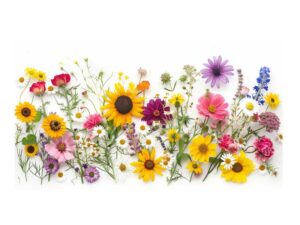

SUNFLOWER ‘Giant Russian’ Organic Flower Seeds
Botanical Name: Helianthus annuus
- Massive, single-headed sunflower variety producing enormous yellow blooms up to 30 cm across.
- High-yielding plant ideal for garden displays, cut flowers, and harvesting seeds for snacking or oil.
- Strong stems support heavy flower heads, making it reliable even in windy conditions.
- Thrives in full sun and fertile, well-drained soil with regular watering.
- Attracts pollinators including bees and butterflies, enhancing your garden ecosystem.
- Produces continuous flowers throughout the growing season when old heads are harvested promptly.
Plant Details
- Plant Type: Annual flowering plant; giant sunflower
- Plant Height: 200–300 cm tall; spreads 60–80 cm wide
Sowing Information
- Germination: 7–14 days
- Depth: 2–3 cm deep
- Position: Full sun
- Sow Where: Direct sow into garden beds or large pots after frost risk
- Soil Type: Well-drained, fertile soil enriched with organic matter
- Spacing: 60–80 cm between plants
Growing Tips
- Water deeply during early growth to establish strong roots and sturdy stems.
- Stake taller plants if necessary to prevent bending under heavy flower heads.
- Remove old flower heads to encourage new blooms and prevent self-seeding if desired.
- Fertilize lightly throughout the season to support continuous flowering and seed development.
Harvest
Flowers typically appear 80–100 days after sowing. Cut blooms when petals are fully open for fresh arrangements, or harvest seeds when the back of the flower head turns brown. Regular harvesting encourages further flower production.
When to Sow Sunflower Giant Russian in Your Climate
| Climate Zone | Best Planting Time | Tips |
|---|---|---|
| Temperate | September–November | Sow after frost risk has passed. Provide full sun and shelter from wind. |
| Subtropical | August–December | Plant early to take advantage of the warm season. Water regularly. |
| Tropical | April–September | Grow during the dry season to avoid fungal diseases. Provide partial shade if necessary. |
| Cool | October–December | Start indoors to extend the growing season. Transplant after last frost. |
| Arid | August–October | Mulch heavily and water deeply to conserve moisture. |
Reviews
There are no reviews yet.