
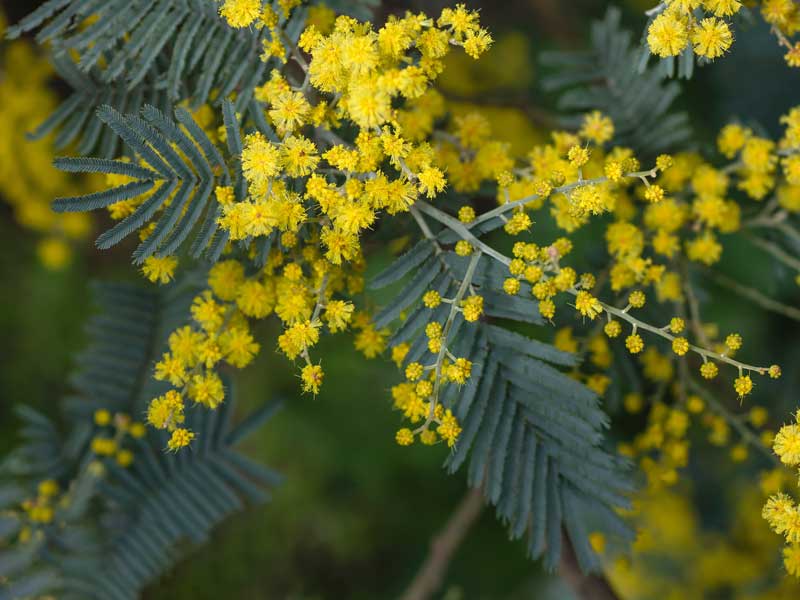


SILVER WATTLE Seeds
Botanical Name: Acacia dealbata
Other Names: Silver Wattle, Blue Wattle, Mimosa
- Fast-growing Australian native tree with distinctive silver-grey, finely divided foliage.
- Highly ornamental and widely planted for its spectacular masses of bright yellow, fragrant flowers.
- Flowers from late winter to early spring, providing an important early nectar and pollen source for insects.
- Strong nitrogen-fixing species that improves soil fertility and supports regeneration of degraded land.
- Adaptable to a wide range of climates and soil types, including poor and disturbed soils.
- Excellent pioneer species for erosion control, revegetation, and land rehabilitation.
- One of Australia’s most recognisable and iconic native wattles.
Plant Details
- Plant Type: Medium to large native tree
- Plant Height: 6–15 m tall; 4–8 m wide
Sowing Information
- Germination: 2–4 weeks after scarification
- Depth: Sow 5–10 mm deep
- Position: Full sun to light shade
- Sow Where: Seedling trays or forestry tubes; transplant once well established
- Soil Type: Well-drained soils; tolerates clay, loam, sandy, and low-fertility soils
- Spacing: 3–6 m between trees
Growing Tips
- Scarify seeds by pouring boiling water over them and soaking for 12–24 hours before sowing.
- Use a free-draining native or forestry potting mix to prevent waterlogging.
- Water regularly during establishment; drought-tolerant once mature.
- Prune lightly if needed to manage size or shape in garden settings.
Flowering
Bright golden-yellow flower balls appear in large sprays from late winter to early spring, creating a striking display and supporting pollinators during cooler months.
Traditional & Practical Uses
- Traditionally valued for timber, fuelwood, and ornamental planting.
- Widely used in revegetation, shelter belts, and soil stabilisation projects.
- Improves soil structure and fertility through nitrogen fixation.
When to Sow Silver Wattle in Your Climate
| Climate Zone | Best Planting Time | Tips |
|---|---|---|
| Temperate | August–October | Spring sowing allows strong establishment before summer heat. |
| Subtropical | April–June | Cooler months improve germination success. |
| Tropical | May–July | Best sown during the dry season; ensure good airflow. |
| Cool | September–November | Sow after severe frosts; seedlings tolerate light frost once established. |
| Arid | July–September | Time sowing with cooler conditions and available moisture. |
Reviews
There are no reviews yet.