NATIVE PIGFACE (CARPOBROTUS ROSSII) Seeds
Botanical Name: Carpobrotus rossii Other Names: Native Pigface, Coastal Pigface, Ice Plant
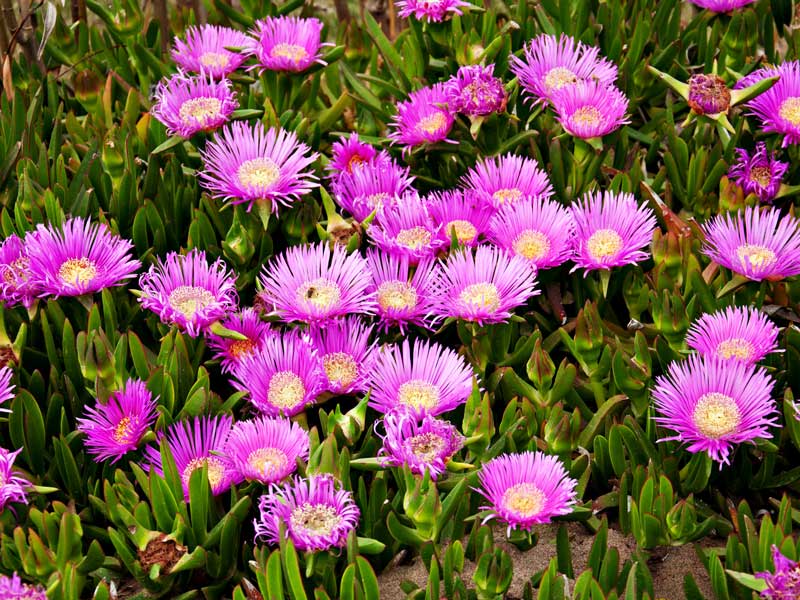
- Hardy Australian native coastal succulent valued for its edible fruit, leaves, and vibrant magenta-pink flowers.
- Fleshy leaves and sweet, tangy fruits have long been used as bushfood by Indigenous Australians.
- Exceptionally salt-tolerant groundcover adapted to coastal dunes, sandy soils, and exposed environments.
- Spreading, mat-forming habit helps stabilise soils and prevent erosion in coastal landscapes.
- Drought-tolerant once established and ideal for low-maintenance gardens.
- Highly ornamental plant with large, showy flowers that attract pollinators.
- Excellent choice for coastal gardens, native revegetation, and edible landscaping.
Plant Details
- Plant Type: Perennial succulent groundcover
- Plant Height: 10–20 cm tall; spreading up to 2 m wide
Sowing Information
- Germination: 2–4 weeks
- Depth: Surface sow or lightly cover with fine sand
- Position: Full sun
- Sow Where: Seed trays or directly into final position
- Soil Type: Sandy, well-drained soils; tolerates saline and poor soils
- Spacing: 50–100 cm between plants
Growing Tips
- Use free-draining sandy soil or a cactus-style potting mix.
- Water lightly until established, then only during extended dry periods.
- Avoid heavy or waterlogged soils, which can cause root rot.
- Regular pruning encourages dense growth and spreading groundcover.
Harvest
Young leaves can be harvested sparingly for fresh eating or light cooking. Fruits ripen in late spring to summer and are best picked when soft and brightly coloured. The fruit pulp is mildly sweet and tangy.
Culinary & Practical Uses
- Edible leaves and fruits used fresh, in jams, or as a traditional bushfood.
- Flowers provide nectar for native insects and pollinators.
- Effective plant for erosion control, dune stabilisation, and coastal revegetation.
When to Sow Native Pigface in Your Climate
| Climate Zone | Best Planting Time | Tips |
|---|---|---|
| Temperate | September–November | Warm soil improves establishment. |
| Subtropical | August–October | Sow before peak summer heat. |
| Tropical | April–June | Dry season sowing reduces disease pressure. |
| Cool | October–November | Sow after frost risk has passed. |
| Coastal / Arid | August–October | Thrives in sandy, saline soils with full sun. |