
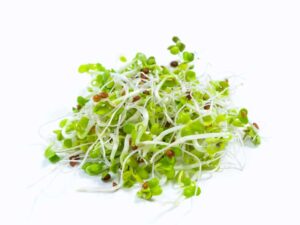
Fenugreek Sprouting Seeds
Botanical Name: Trigonella foenum-graecum
Family: Fabaceae
Other Names: Methi, Bird’s Foot, Greek Clover, Greek Hay
Fenugreek sprouting seeds are a popular choice for growing fresh, crunchy sprouts at home. Also known as methi seeds, fenugreek has a distinctive savoury flavour with a mildly bitter, curry-like taste. It is commonly used in Indian, Middle Eastern and North African cooking, both as a spice and as a leafy herb.
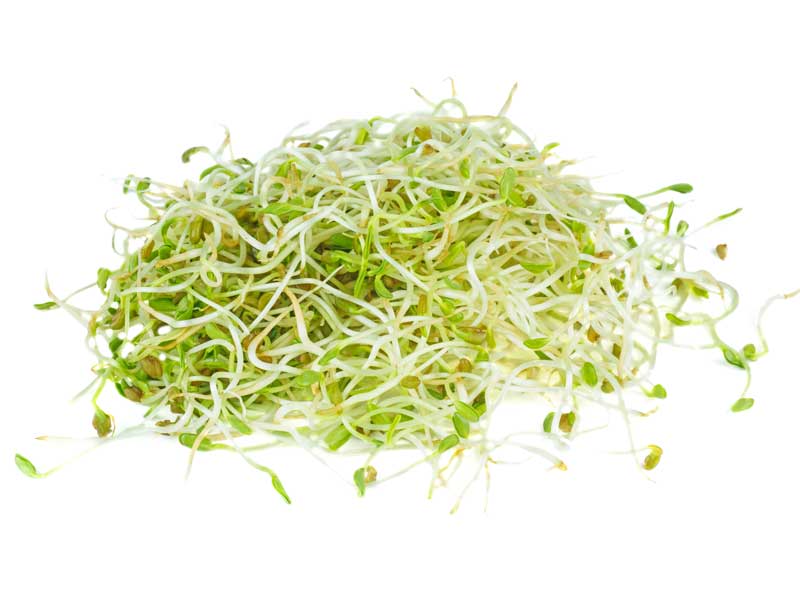
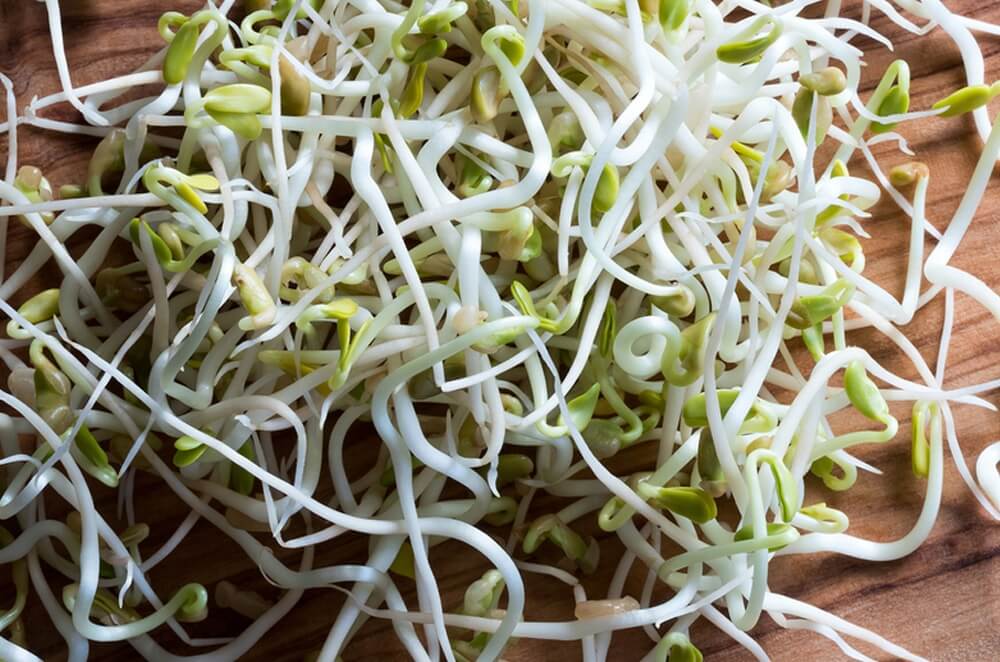
When sprouted, fenugreek becomes easier to use fresh in everyday meals. The sprouts are tall, green and crisp, making them suitable for salads, sandwiches, wraps, stir-fries and fresh sprout mixes. Because fenugreek has a strong flavour, many people like to blend it with milder sprouts such as alfalfa, clover or broccoli.
Australian Grown Fenugreek Seeds
Our fenugreek seeds are grown in Australia and are suitable for home sprouting. They are a practical choice for anyone wanting to grow fresh fenugreek sprouts indoors without a garden.
Why Grow Fenugreek Sprouts?
- Fast and easy to grow at home in a sprouting jar or sprouting bag.
- Produces tall, green sprouts with a crisp texture.
- Distinctive curry-like flavour that works well in savoury dishes.
- Useful for salads, sandwiches, wraps, stir-fries and sprout mixes.
- Can be blended with milder sprouts to balance the flavour.
- Also known as methi, a traditional ingredient in Indian cooking.
How to Grow Fenugreek Sprouts
- Place 1–2 tablespoons of fenugreek seeds into a clean sprouting jar or sprouting bag.
- Soak the seeds in cool water for 6–8 hours.
- Drain well and rinse thoroughly with fresh water.
- Leave the jar upside down at an angle, or hang the sprouting bag, so excess water can drain away.
- Rinse and drain every 8–12 hours.
- Continue for several days until the sprouts reach your preferred size.
One to two tablespoons of fenugreek seed can produce approximately 1–2 cups of fresh sprouts, depending on growing conditions and harvest stage.
Fenugreek Sprouting Tips
- Fenugreek sprouts grow best in cooler indoor conditions, ideally below 23°C.
- Good drainage is important. Avoid leaving seeds sitting in water after soaking.
- Rinse regularly to keep the sprouts fresh and clean.
- Harvest when sprouts are well developed and before they become too strong in flavour.
- Store harvested sprouts in the fridge and use promptly.
How to Use Fenugreek Sprouts
Fenugreek sprouts have a bold flavour, so they are best used in small amounts or mixed with other sprouts. Add them to fresh salads, wraps, sandwiches, rice bowls, noodle dishes, omelettes or stir-fries. They can also be used as a fresh garnish for curries and savoury meals.
Fenugreek Sprouts vs Fenugreek Seeds
Dried fenugreek seeds are usually used as a spice, while fenugreek sprouts are eaten fresh. Sprouting softens the seed and creates a crisp, fresh ingredient with a milder flavour than the dried spice. If you want to learn more, read our guide: Fenugreek Sprouts vs Fenugreek Seeds.
Free Sprouting Guide
Click here to download your FREE Sprouting Guide.
Important Food Safety Note
Sprouts are grown in warm, moist conditions, so hygiene is important. Always use clean equipment, rinse seeds regularly, drain well, and refrigerate harvested sprouts. People who are pregnant, elderly, immunocompromised or preparing food for young children should follow current food safety advice before eating raw sprouts.