
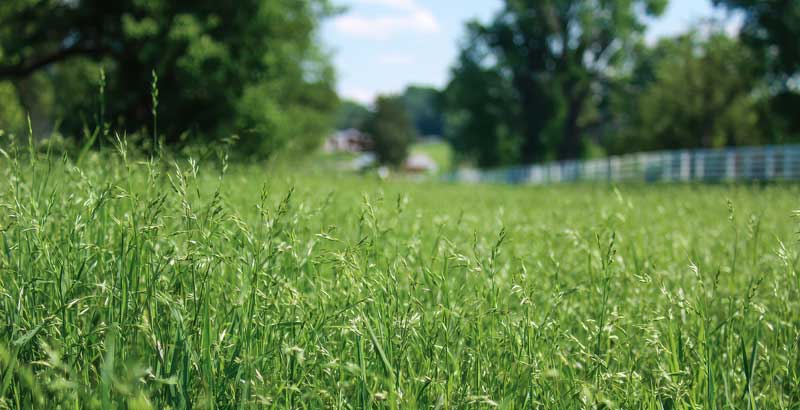
If you have harvested your summer vegetables and are left with bare garden beds heading into autumn or winter, annual ryegrass can be one of the easiest ways to protect and improve your soil. Many people know ryegrass as a lawn or pasture grass, but it is also widely used as a cover crop and green manure to reduce weeds, prevent erosion and add organic matter back into the soil.
When people search for ryegrass seed, they often discover there are two main types available: Annual Ryegrass (Lolium multiflorum) and Perennial Ryegrass (Lolium perenne). They look similar when young, but they are grown for very different reasons.
Annual ryegrass is usually chosen where fast growth is needed for soil improvement, erosion control or temporary winter feed. Perennial ryegrass is more commonly used for lawns, sports fields and longer-term pasture systems.
What Is Annual Ryegrass?
Annual Ryegrass (Lolium multiflorum) is a fast-growing cool-season grass that completes its life cycle in one growing season. In Australian gardens, it is especially useful as a winter cover crop after summer vegetables have finished.
Rather than leaving soil bare over winter, annual ryegrass can be sown to cover the ground, reduce weed pressure and protect the soil surface from heavy rain. Its dense roots also help improve soil structure before the next planting season.
Why Gardeners Use Annual Ryegrass
- To cover bare vegetable beds over winter
- To reduce erosion on exposed soil
- To suppress winter weeds
- To add organic matter when dug back into the soil
- To grow a temporary pasture or forage crop
- To protect orchard rows or unused garden areas
Annual ryegrass does not fix nitrogen like clover, vetch or field peas. Its strength is different: it produces quick ground cover, strong root growth and useful organic matter.
What Is Perennial Ryegrass?
Perennial Ryegrass (Lolium perenne) is a longer-lived cool-season grass used for lawns, sports turf and pasture. It can persist for several years in suitable climates, especially in cooler and temperate regions.
It has a finer appearance than annual ryegrass and is better suited to areas where a dense, attractive grass cover is needed long term. However, it can struggle in hot, humid or dry conditions without good management.
Annual Ryegrass vs Perennial Ryegrass
| Feature | Annual Ryegrass | Perennial Ryegrass |
|---|---|---|
| Botanical Name | Lolium multiflorum | Lolium perenne |
| Lifespan | One growing season | Several years in suitable climates |
| Best Use | Green manure, cover crop, temporary pasture | Lawns, sports turf, longer-term pasture |
| Growth Speed | Very fast | Fast |
| Green Manure Value | Excellent | Limited |
| Lawn Use | Temporary only | Better choice for cool-season lawns |
| Soil Improvement | Very useful for biomass and root structure | Not usually grown for this purpose |
When I Would Choose Annual Ryegrass
Annual ryegrass is the better choice when you want a practical, short-term crop that works hard over winter.
- After tomatoes, cucumbers, corn, pumpkins or zucchini have finished
- Before spring vegetable planting
- In garden beds that would otherwise sit empty
- On sloped areas where soil washes away easily
- In orchard rows or unused patches of ground
- Where winter weeds are becoming a problem
For most home gardeners using ryegrass as part of a soil improvement plan, annual ryegrass is usually the most useful option.
When I Would Choose Perennial Ryegrass
Perennial ryegrass is better when the goal is long-term grass cover rather than a crop that will be dug back into the soil.
- Cool-season lawns
- Sports turf and high-traffic areas
- Horse paddocks
- Sheep or cattle pasture
- Longer-term ground cover in cooler regions
In hot and humid areas, perennial ryegrass may perform best as a seasonal grass or as part of a blend rather than as a permanent stand-alone lawn.
Using Annual Ryegrass as a Green Manure Crop
Annual ryegrass is useful because it grows quickly and produces a large amount of plant material. This plant material can later be slashed, chopped or dug back into the soil before the next crop is planted.
For vegetable gardens, the general process is simple:
- Clear old crop residue and weeds from the bed.
- Lightly rake the soil surface.
- Broadcast annual ryegrass seed evenly.
- Rake lightly so the seed has good soil contact.
- Water well and keep moist until germination.
- Allow the crop to grow through the cooler months.
- Slash or cut down before it sets seed.
- Dig in or compost the cut material before spring planting.
Annual Ryegrass Works Well With Legumes
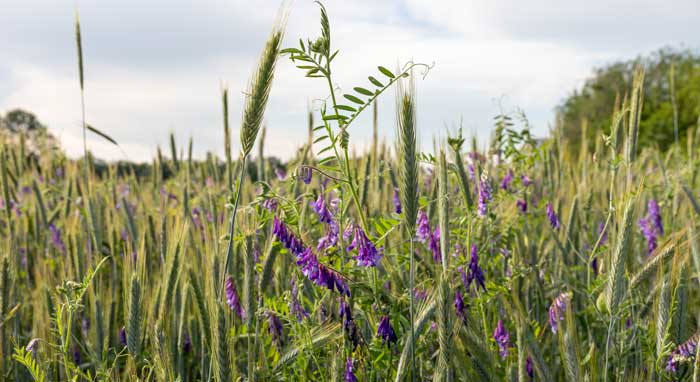
Annual ryegrass is not a nitrogen-fixing plant. For a more balanced green manure crop, it can be combined with legumes that help fix nitrogen.
Good companion crops include:
- Common Vetch
- Woolly Pod Vetch
- Crimson Clover
- Haifa White Clover
- Field Peas
In these mixes, ryegrass contributes root mass, weed suppression and biomass, while the legumes contribute nitrogen fixation. This makes the overall cover crop more useful for soil improvement.
South East Queensland Ryegrass Growing Guide
In South East Queensland, ryegrass is mainly a cool-season crop. It is best sown once the worst of the summer heat has passed and there is enough moisture to support germination.
| Month | Annual Ryegrass | Perennial Ryegrass | Notes for SEQ |
|---|---|---|---|
| January–February | Usually too hot | Usually too hot | Wait until temperatures begin to ease. |
| March | Possible late March | Possible | Best if nights are cooling and rain or irrigation is available. |
| April–June | Excellent | Good | Best sowing window for winter cover crops and temporary pasture. |
| July–August | Good | Good | Useful for late winter soil cover if moisture is available. |
| September | Late sowing only | Short-term use only | Growth period may be short before heat returns. |
| October–December | Not recommended | Not recommended | Use warm-season cover crops instead. |
Australian Sowing Guide by Climate
| Climate Zone | Best Sowing Time | Best Use |
|---|---|---|
| Tropical | April to July | Short-term winter cover only |
| Subtropical | March to August | Green manure, temporary pasture, winter cover |
| Temperate | March to September | Lawns, pasture, cover crops |
| Cool Regions | February to October | Pasture, lawns, long growing period cover crops |
Best Ryegrass Choice by Purpose
| Your Goal | Best Choice | Reason |
|---|---|---|
| Improve soil health | Annual Ryegrass | Produces biomass and protects soil. |
| Winter cover crop | Annual Ryegrass | Fast establishment and good weed suppression. |
| Cool-season lawn | Perennial Ryegrass | Better appearance and longer persistence. |
| Temporary grazing | Annual Ryegrass | Quick winter feed. |
| Permanent pasture | Perennial Ryegrass | Better suited to longer-term grazing systems. |
Final Thoughts
Annual ryegrass and perennial ryegrass are both useful, but they are not interchangeable. Annual ryegrass is best when you want quick winter growth, soil protection, green manure or temporary pasture. Perennial ryegrass is better where you need longer-term grass cover for lawns, paddocks or grazing systems.
For most Australian gardeners using ryegrass as part of a soil improvement plan, annual ryegrass is usually the better choice. It is simple to grow, useful over winter and easy to combine with legumes such as vetch, clover or field peas.
Frequently Asked Questions
Is annual ryegrass good for green manure?
Yes. Annual ryegrass is a useful green manure crop because it grows quickly, covers bare soil, suppresses weeds and produces organic matter that can be returned to the soil.
Does annual ryegrass fix nitrogen?
No. Annual ryegrass does not fix nitrogen. For nitrogen improvement, it is best combined with legumes such as vetch, clover or field peas.
Which ryegrass is best for lawns?
Perennial ryegrass is usually better for lawns because it has a finer appearance, better wear tolerance and longer persistence than annual ryegrass.
When should I sow ryegrass in South East Queensland?
In South East Queensland, ryegrass is best sown from around March to August, with April to June usually being the strongest window for annual ryegrass cover crops.
Can annual ryegrass become a weed?
It can self-sow if allowed to set seed. For green manure use, cut or incorporate annual ryegrass before mature seed heads develop.