
Chilli ‘Turkish Snake’ Vegetable Seeds
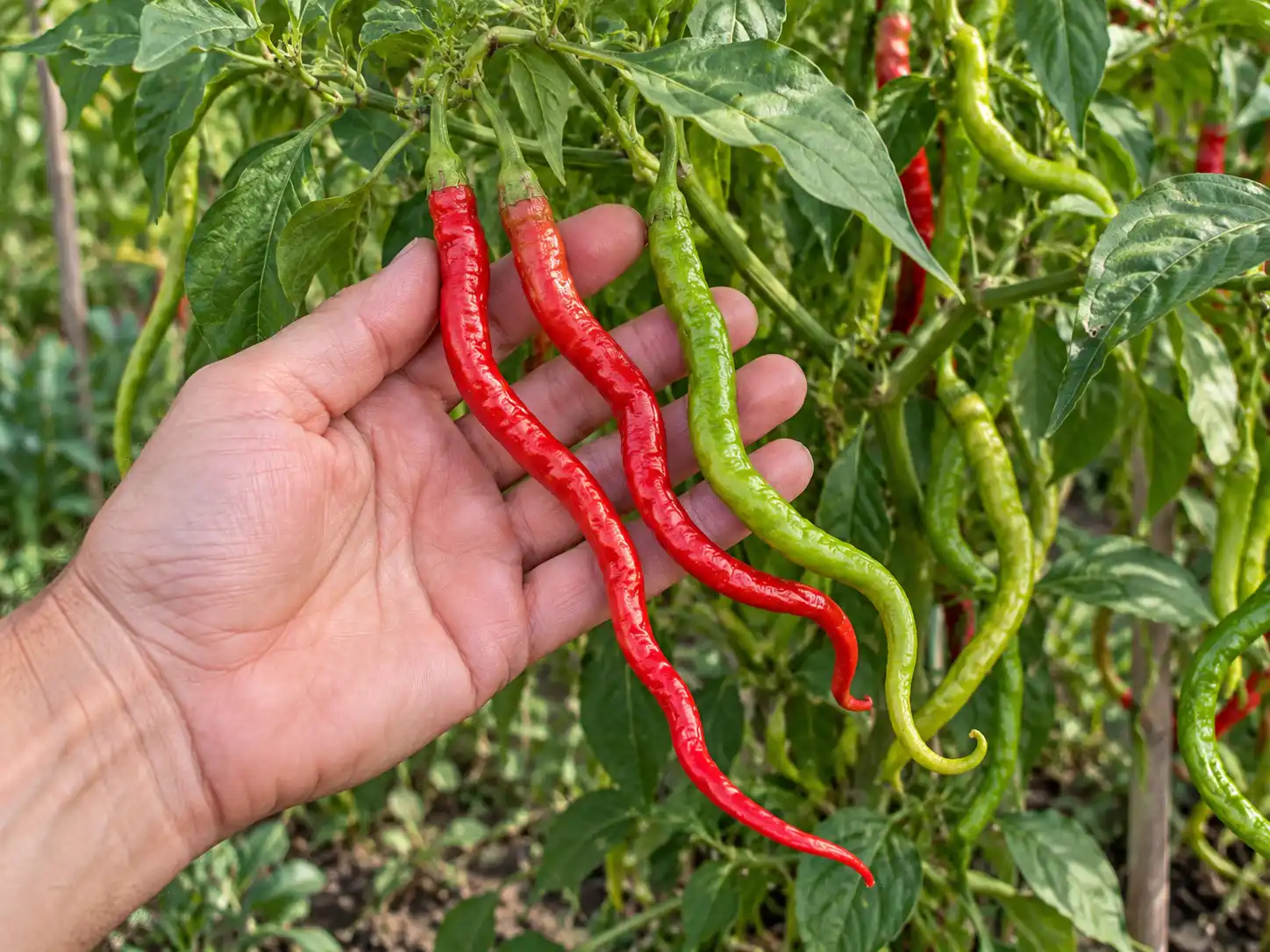
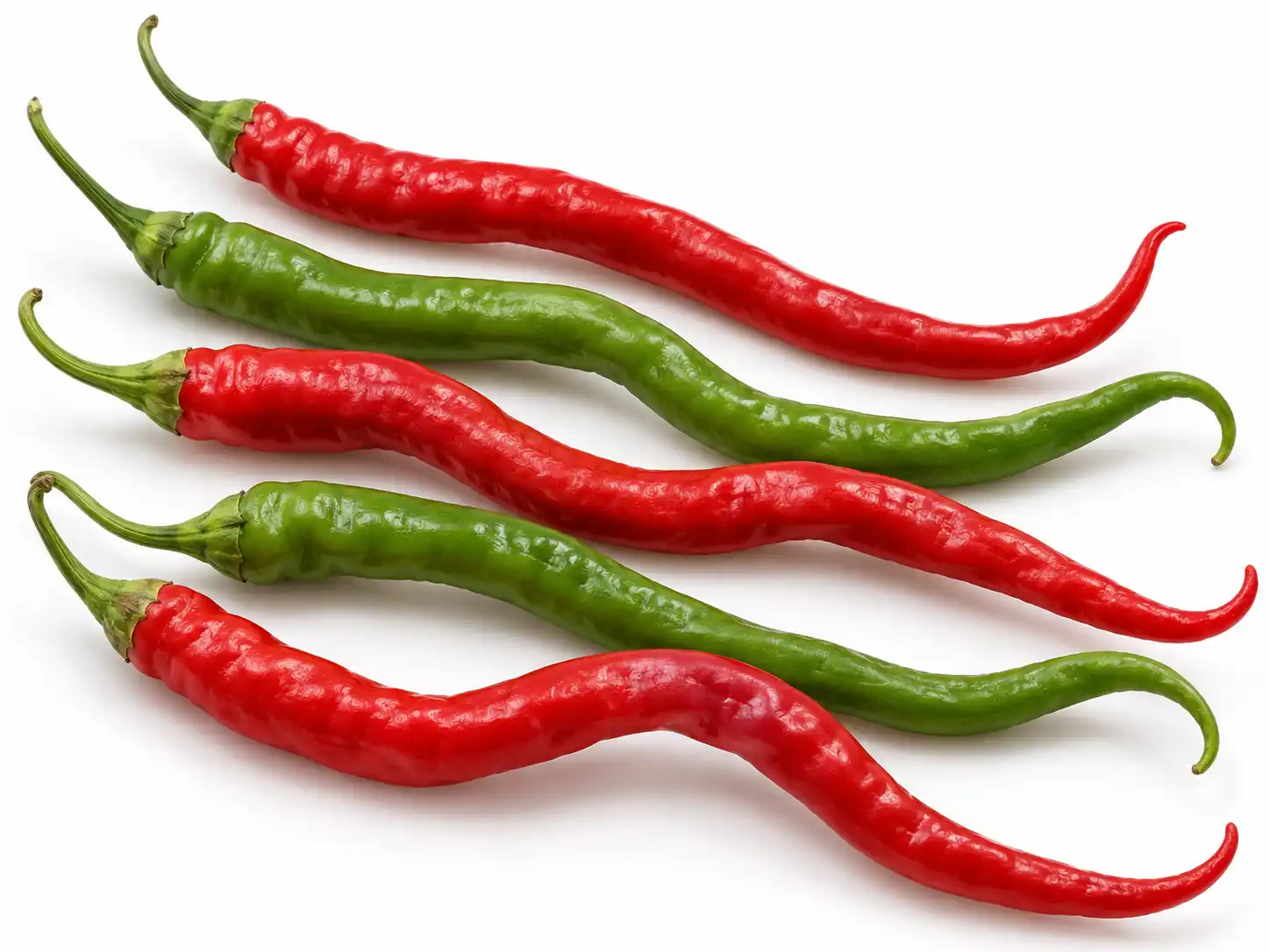
Grow long, curved chillies with medium heat for fresh sales, cooking, grilling and preserving. Turkish Snake Chilli (Capsicum annuum) produces slender, twisting fruit that can reach approximately 20 cm long. The chillies mature from green to red, offering a choice of harvest stages for different culinary uses.
Turkish Snake combines chilli warmth with a sweet pepper flavour. Its distinctive fruit makes it an appealing addition to market garden plantings, mixed vegetable boxes and fresh produce displays.
Grow Turkish Snake in a sunny vegetable bed, raised bed or large container. A long, warm growing season, consistent watering and regular picking help support continued production.
Turkish Snake Chilli Seed Details
| Botanical name | Capsicum annuum |
|---|---|
| Variety | Turkish Snake |
| Plant type | Warm-season, frost-tender chilli |
| Fruit shape | Long, slender and curved or twisting |
| Fruit length | Up to approximately 20 cm |
| Fruit colour | Green, ripening to red |
| Heat level | Medium; individual fruit can vary |
| Position | Full sun |
| Sowing depth | Approximately 5–6 mm |
| Plant spacing | Approximately 45–50 cm |
| Growing conditions | Warm temperatures and fertile, well-drained soil |
Why Grow Turkish Snake Chilli?
- Distinctive long, twisting chillies add variety to fresh produce displays.
- Medium heat with a sweet pepper flavour suits a range of dishes.
- Productive plants provide repeated harvests in favourable conditions.
- Fruit can be picked green or allowed to ripen to red.
- Suitable for market gardens, vegetable beds and large containers.
- Useful for stir-fries, grilling, sauces and pickling.
- Offers market gardeners a distinctive chilli alongside more familiar varieties.
How to Grow Turkish Snake Chilli from Seed
Turkish Snake needs warmth to germinate and establish well. Raising seedlings in trays or cells makes it easier to manage moisture and temperature before planting out.
- Choose a sunny growing position.
Select a site with plenty of direct sunlight and protection from strong winds. Allow enough room to access plants for regular harvesting. - Prepare the soil.
Use fertile, well-drained soil and incorporate mature compost where needed. Avoid planting into ground that remains waterlogged after rain or irrigation. - Sow the seeds.
Sow approximately 5–6 mm deep into trays, cells or small pots filled with quality seed-raising mix. Cover lightly and water gently. - Maintain warmth and moisture.
Keep the growing medium warm and evenly moist without saturating it. A propagation heat mat can help maintain suitable conditions in cooler weather. - Transplant after frost.
Gradually harden seedlings before planting outdoors. Wait until frost danger has passed and soil and overnight temperatures have warmed. - Allow adequate spacing.
Plant approximately 45–50 cm apart. Leave sufficient space between rows for airflow, crop maintenance and picking. - Water and support plants.
Maintain consistent moisture during flowering and fruit development. Stake plants where needed to support fruiting branches and reduce wind damage. - Pick regularly.
Harvest firm green chillies or leave them to ripen red. Use snips to remove fruit without pulling on the branches.
When to Plant Chilli Seeds in Australia
Plan sowing around local temperatures and frost risk. In cooler regions, starting seeds under cover gives plants a longer productive season.
| Climate | General Sowing Guide |
|---|---|
| Tropical | Sow during suitable periods through much of the year. Avoid establishment during extreme heat or prolonged heavy rain. |
| Subtropical | Spring and summer, with a longer planting window in warm, frost-free locations. |
| Temperate | Start indoors with warmth in late winter or early spring. Transplant after frost danger has passed. |
| Cool / frost-prone | Raise seedlings under cover with additional warmth. Plant out after the final frost once conditions are consistently warm. |
Use this table as a general guide and adjust sowing to your local conditions. Cold soil can delay germination and slow seedling growth.
How Hot Is Turkish Snake Chilli?
Turkish Snake is generally described as a medium-heat chilli. It adds noticeable warmth while allowing its sweet pepper flavour to come through.
Heat varies between plants and individual fruit. Taste a small amount before adding chillies to a recipe, particularly when preparing larger batches of sauces or preserves.
Harvesting Turkish Snake Chillies
Pick Turkish Snake chillies at the stage that suits your intended use. Fruit can be harvested green or left on the plant until red.
Green chillies: Pick firm, well-developed fruit for slicing, stir-frying, grilling and pickling.
Red chillies: Allow fruit to colour fully for ripe pepper flavour and use in sauces, cooked dishes or drying.
For fresh sales: Select sound, firm fruit without soft spots or damage. Handle carefully to protect the long pods and retain freshness.
Harvest timing depends on temperature, planting date and whether fruit is picked green or red. Regular picking helps keep the crop manageable and can support continued production during warm weather.
How to Use Turkish Snake Chillies
- Stir-fries: Slice into vegetable, noodle and meat dishes for colour and medium heat.
- Grilling: Grill or roast the long pods to serve alongside vegetables and other dishes.
- Fresh cooking: Add chopped chillies to stews, soups and savoury sauces.
- Pickling: Use sound green or red fruit in a tested pickling recipe.
- Chilli sauces: Blend ripe red fruit into homemade sauces and condiments.
- Drying: Dry fully ripe fruit thoroughly before storing or grinding into flakes.
Growing Turkish Snake Chilli in Pots
Turkish Snake can be grown in a large container with good drainage. Use quality potting mix and place the container in a warm, sunny position.
Check moisture regularly, as pots dry out faster than garden beds. Feed according to the fertiliser label and provide a stake if plants need support as fruit develops.
Allow room around the container for airflow and easy access when picking.
Frequently Asked Questions
What is Turkish Snake Chilli?
Turkish Snake is a variety of Capsicum annuum with long, slender, twisting chillies. Its fruit ripens from green to red and has medium heat.
How long do Turkish Snake chillies grow?
Fruit can reach approximately 20 cm long, although size and shape vary with growing conditions and harvest stage.
Can Turkish Snake chillies be harvested green?
Yes. Pick well-developed green fruit or leave it on the plant to ripen red. Both stages can be used in cooking.
Is Turkish Snake Chilli suitable for market gardens?
Its distinctive fruit and productive habit make it an option for growers supplying fresh chillies, mixed vegetable boxes and local markets. Trial a planting to assess performance and customer demand in your area.
How deep should I sow Turkish Snake Chilli seeds?
Sow approximately 5–6 mm deep in seed-raising mix. Keep warm and evenly moist during germination.
How far apart should I plant Turkish Snake chillies?
Allow approximately 45–50 cm between plants, with enough space between rows for access and airflow.
Can I grow Turkish Snake Chilli in a container?
Yes. Choose a large pot with drainage holes, use quality potting mix and provide regular water and nutrition.
Does Turkish Snake Chilli need full sun?
A warm position with plenty of direct sunlight supports growth, flowering and fruit production.
Why are my chilli seeds slow to germinate?
Cool growing media can delay germination. Maintain steady warmth and avoid overwatering, which can cause seeds to rot.
Why is my chilli plant growing leaves but little fruit?
Excess nitrogen, low light, unsuitable temperatures and poor flower set can all reduce fruit production. Review feeding, sunlight and growing conditions.
Where can I buy Turkish Snake Chilli seeds in Australia?
Seedmart supplies Turkish Snake Chilli seeds for Australian growers, market gardeners and home vegetable gardens.
Learn More About Growing Chillies
Read our Ultimate Guide to Chilli Varieties for more information on choosing chilli seeds, growing chilli plants and harvesting your crop.
Reviews
There are no reviews yet.