
Cornflower Red Ball Flower Seeds
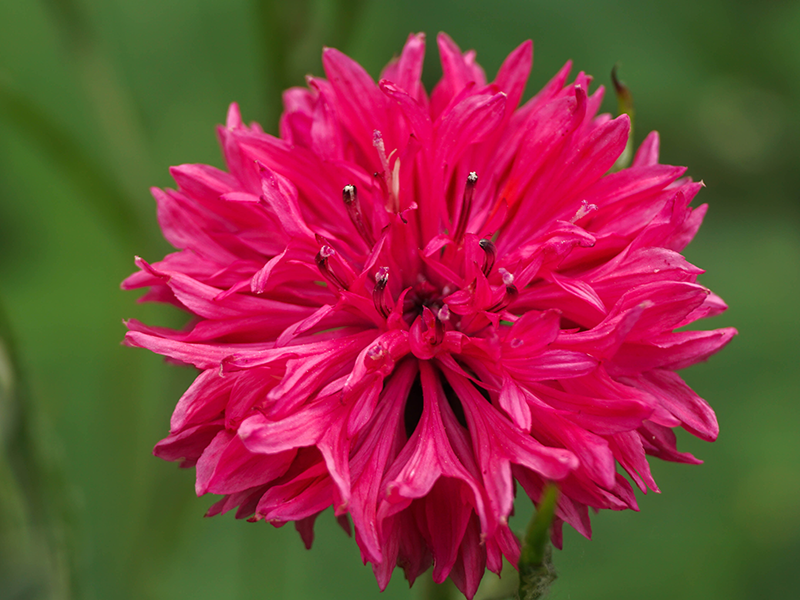
Grow rich rose-red double flowers on tall, branching stems for cottage gardens, fresh bouquets and dried arrangements. Cornflower Red Ball (Centaurea cyanus) is a hardy annual flower producing rounded, ruffled blooms above grey-green foliage.
Despite its name, Red Ball typically flowers in deep pink, magenta and rosy-red tones rather than a bright scarlet red. These warm shades combine well with blue and white cornflowers, soft pink annuals and ornamental foliage.
Grow Red Ball in sunny flower beds, borders or a dedicated cutting patch. The flowers are useful fresh or dried, while the edible petals provide a colourful garnish when grown and harvested for culinary use.
Cornflower Red Ball Seed Details
| Botanical name | Centaurea cyanus |
|---|---|
| Variety | Red Ball |
| Common names | Cornflower, Bachelor’s Button |
| Plant type | Hardy annual flowering plant |
| Flower colour | Deep pink, magenta to rose-red; shade may vary |
| Flower type | Rounded double blooms with ruffled petals |
| Position | Full sun |
| Sowing depth | Approximately 5 mm |
| Germination | Usually 7–14 days under suitable conditions; emergence may take longer |
| Germination soil temperature | Approximately 15–20°C |
| Plant spacing | Approximately 20–30 cm |
| Plant height | Approximately 80 cm, depending on growing conditions |
| Flowering season | Generally spring to summer, depending on climate and sowing time |
| Main uses | Cottage gardens, borders, cut flowers, dried arrangements and edible petals |
Why Grow Cornflower Red Ball?
- Rich rose-red and deep pink double flowers.
- Ruffled blooms add texture to mixed flower beds and bouquets.
- Tall stems suitable for fresh cutting and dried arrangements.
- Complements blue, pink and white cornflower varieties.
- Edible petals provide colour for salads, cakes and desserts.
- Regular picking and deadheading help extend the flowering display.
How to Grow Cornflower Red Ball from Seed
Cornflowers are well suited to direct sowing into their final growing position. Seed can also be started in individual cells or small pots and transplanted while seedlings are young, with minimal root disturbance.
- Choose a sunny position.
Select an open location receiving plenty of sunlight. Allow room for the plants to develop without shading smaller neighbouring flowers. - Prepare well-drained soil.
Remove weeds and prepare a fine seedbed. Avoid waterlogged ground and excessive fertiliser, which can encourage soft growth and leaning stems. - Sow the cornflower seeds.
Sow approximately 5 mm deep and cover with fine soil or seed-raising mix. Sow in rows for cutting or small groups for a cottage garden display. - Keep evenly moist during germination.
Water gently after sowing and maintain moisture until seedlings emerge. Avoid allowing the surface to dry out or remain saturated. - Thin or transplant seedlings.
Space plants approximately 20–30 cm apart. If using tray-grown seedlings, transplant before roots become crowded and keep the root ball intact. - Water during establishment and dry weather.
Water regularly while plants are young. Established cornflowers tolerate some dry conditions, but prolonged moisture stress can reduce flowering. - Support stems where needed.
Use stakes or flower support netting in exposed positions. Install support before plants become tall and difficult to handle. - Pick flowers and remove faded blooms.
Harvest fresh flowers for arrangements and deadhead spent blooms to reduce seed formation and encourage continued flowering.
Cornflower Red Ball for Fresh and Dried Flowers
Red Ball adds warm colour and finely ruffled texture to informal bouquets. Combine its rosy blooms with blue cornflowers, white annuals or fresh foliage for a seasonal garden arrangement.
Harvest flowers as they open during the cooler part of the day. Cut with clean scissors or secateurs, remove foliage below the waterline and place stems promptly into clean water.
For dried arrangements, select fresh, undamaged flowers before they begin fading. Hang small bunches upside down in a dry, shaded position with good airflow. Colours may deepen or change slightly during drying.
For more growing advice, read our guide to growing cornflowers from seed.
Using Red Cornflower Petals as an Edible Garnish
Cornflower petals have a mild flavour and are mainly used for their decorative colour. Sprinkle fresh petals over salads, cakes and desserts, or dry them for later culinary use.
Harvest clean, correctly identified flowers grown for eating. Use the petals rather than the tough green flower base, and avoid flowers exposed to products unsuitable for edible crops.
Dry individual petals in a thin layer in a clean, shaded position with good airflow. Once completely dry, store in an airtight container away from light and moisture.
Growing Cornflower Red Ball in Pots and Containers
Red Ball can be grown in generous containers with sufficient root space and drainage. Choose a stable pot and provide support where needed for the tall flowering stems.
Use quality potting mix and position the container in full sun. Monitor moisture during warm weather because pots dry more quickly than garden beds.
Avoid overcrowding, remove faded flowers regularly and shelter containers from strong winds.
When to Sow Cornflower Red Ball Seeds in Australia
Cornflowers favour mild growing conditions. Autumn sowing suits many Australian districts, while late winter and spring sowings are useful in temperate and cooler regions.
| Climate | Suggested Planting Time | Growing Notes |
|---|---|---|
| Cool / frost-prone | Spring; autumn where winters allow | Avoid frozen or waterlogged ground. Protect young seedlings from severe frost. |
| Temperate | Autumn or late winter to spring | Autumn sowings establish through cooler weather; spring sowings provide a later display. |
| Subtropical | Autumn to early winter | Grow during the milder months and avoid prolonged summer heat and humidity. |
| Tropical | Cooler dry season | Trial in a sunny, well-drained position. Heat and humidity can limit performance. |
Adjust planting dates to local temperatures, rainfall and frost severity. Avoid sowing during prolonged extreme heat or into persistently wet soil.
Frequently Asked Questions
Is Cornflower Red Ball an annual or perennial?
Red Ball is a hardy annual cornflower. It grows, flowers and completes its life cycle within one season.
Are Red Ball cornflowers bright red?
Red Ball usually produces deep pink, magenta and rose-red flowers rather than bright scarlet blooms. Colour can vary between plants and seed strains.
How tall does Cornflower Red Ball grow?
Plants generally reach approximately 80 cm tall, depending on the seed strain and growing conditions.
How long do Red Ball cornflower seeds take to germinate?
Seeds usually germinate within approximately 7–14 days under suitable conditions. Emergence may take longer when temperatures or moisture levels are less favourable.
How deep should I sow cornflower seeds?
Sow approximately 5 mm deep and cover with fine soil or seed-raising mix. Keep evenly moist until seedlings emerge.
Can cornflowers be sown directly into the garden?
Yes. Direct sowing avoids root disturbance and is a practical method for establishing cornflowers. Thin seedlings to approximately 20–30 cm apart.
Are Red Ball cornflowers suitable for cutting?
Yes. Their tall stems and double blooms suit fresh bouquets and vase arrangements. Flowers can also be dried for decorative use.
Are red cornflower petals edible?
Yes. Cornflower petals can be used fresh or dried as a garnish. Use correctly identified flowers grown for culinary use and remove the tough green flower base.
Can Cornflower Red Ball grow in pots?
Yes. Use a generous container with drainage holes, place it in full sun and provide support where needed.
Should faded cornflowers be removed?
Regular deadheading reduces seed formation and helps extend flowering. Remove spent blooms before seeds mature if you want to limit self-seeding.
Where can I buy Cornflower Red Ball seeds in Australia?
Seedmart supplies Cornflower Red Ball Flower Seeds for Australian gardeners and growers establishing cottage gardens, flower beds and cutting patches.
Reviews
There are no reviews yet.