
Aster Giants of California Flower Seeds
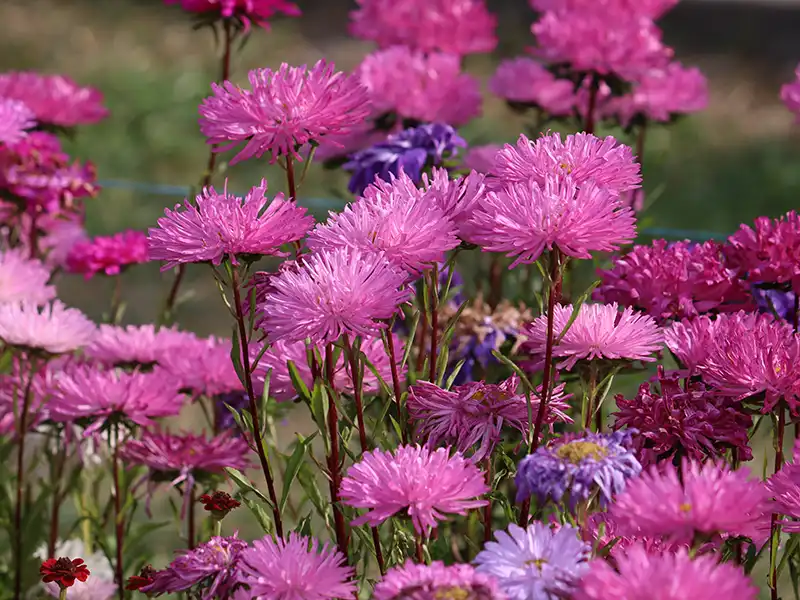
Grow large, ruffled double flowers in a colourful mix of pink, purple, red and white shades. Aster Giants of California (Callistephus chinensis) is an annual China aster valued for its showy blooms and suitability for fresh flower arrangements.
The upright plants add seasonal colour to cottage gardens, flower beds, borders and dedicated cutting gardens. Their softly ruffled flowers provide an attractive contrast to simpler daisy-shaped blooms and fine-textured foliage.
Grow in a sunny position with fertile, well-drained soil and consistent moisture. This variety is a practical choice for gardeners wanting colourful flowers to enjoy both outdoors and in a vase.
Aster Giants of California Seed Details
| Botanical name | Callistephus chinensis |
|---|---|
| Variety | Giants of California |
| Common name | China Aster, Annual Aster |
| Plant type | Annual flowering plant |
| Flower type | Large, ruffled double blooms |
| Flower colours | Mixed shades including pink, purple, red and white; proportions vary |
| Position | Full sun; tolerates light partial shade |
| Sowing depth | Approximately 3–5 mm |
| Germination | Approximately 7–21 days, depending on temperature and conditions |
| Plant spacing | Approximately 30–45 cm |
| Plant height | Approximately 60 cm; varies with growing conditions |
| Flowering season | Generally summer to autumn from spring sowings |
| Main uses | Cut flowers, cottage gardens, borders, flower beds and large containers |
Why Grow Aster Giants of California?
- Large double flowers with softly ruffled petals.
- Colourful mix of pink, purple, red and white shades.
- Suitable for fresh bouquets and vase arrangements.
- Adds seasonal height and colour to garden beds and borders.
- Well suited to cottage gardens and dedicated cutting patches.
- Annual plants grow and flower within one growing season.
How to Grow Aster Giants of California from Seed
Aster seeds can be started in trays or punnets for transplanting, or sown directly into a prepared flower bed when conditions are suitable. Provide good drainage, adequate spacing and regular moisture for healthy establishment.
- Choose a sunny growing position.
Select a location with plenty of sunlight and good airflow. Light partial shade can be tolerated, but avoid heavily shaded positions. - Prepare fertile, well-drained soil.
Incorporate mature compost where needed and prepare a fine seedbed. Avoid low-lying areas where water collects around the roots. - Sow the aster seeds.
Sow approximately 3–5 mm deep in seed-raising mix or prepared garden soil. Cover lightly and water gently. - Keep evenly moist.
Maintain moisture during germination without saturating the mix. Avoid allowing newly sown trays to dry out. - Provide light and airflow.
Once seedlings emerge, give them good light and ventilation. Avoid crowded, persistently damp conditions. - Thin or transplant seedlings.
Gradually acclimatise tray-grown seedlings to outdoor conditions before planting out. Space plants approximately 30–45 cm apart and protect young plants from frost. - Water consistently.
Water around the base of plants where practical. Maintain even moisture during dry periods, particularly as buds and flowers develop. - Support plants where needed.
Use stakes or flower support netting in exposed positions to help prevent stems leaning or falling during wind and rain. - Pick flowers and remove faded blooms.
Cut flowers for arrangements as they open. Remove spent blooms from garden plants to keep the display tidy and reduce seed formation.
Growing Giants of California Asters for Cut Flowers
Giants of California asters produce showy double blooms that suit mixed bouquets and informal vase arrangements. Their ruffled petals add fullness and texture alongside other seasonal garden flowers.
Harvest when blooms are mostly to fully open, while the petals are fresh and undamaged. Cut during the cooler part of the day using clean scissors or secateurs, then place stems promptly into clean water.
Remove foliage that would sit below the waterline. Keep arrangements in a cool position away from direct sunlight and refresh the water regularly.
For a longer cutting season, consider small successive sowings where your local climate allows. Flowering time will vary with sowing date, temperature and day length.
Growing Aster Giants of California in Pots and Containers
This upright aster can be grown in generous containers with adequate drainage and sufficient space for root development. Use quality potting mix and position the container in a sunny location.
Check moisture frequently during warm weather because pots dry more quickly than garden beds. Feed according to the potting mix and fertiliser instructions, avoiding excessive feeding that encourages leafy growth at the expense of flowers.
Allow space between plants for airflow and provide support if stems become top-heavy or the container is exposed to wind.
When to Sow Aster Seeds in Australia
Spring is a practical starting point for sowing China asters in many Australian districts. Local frost risk, summer heat and humidity influence the best planting window.
| Climate | Suggested Planting Time | Growing Notes |
|---|---|---|
| Cool / frost-prone | Spring | Start under protection if needed and transplant after frost risk has passed. |
| Temperate | Spring to early summer | Allow sufficient growing time for flowering before cold autumn conditions return. |
| Subtropical | Spring or autumn in frost-free locations | Choose milder conditions and avoid prolonged extreme heat or wet, humid weather. |
| Tropical | Trial during the milder dry season | Performance varies by location. Prioritise drainage, airflow and protection from heavy rain. |
Use this table as a general guide and adjust sowing to local conditions. Flowering dates vary with climate and planting time.
Frequently Asked Questions
Is Aster Giants of California an annual or perennial?
Giants of California is an annual China aster. It grows, flowers and completes its life cycle within one season, unlike perennial asters.
What colours are Giants of California asters?
The mix includes shades of pink, purple, red and white. Colour proportions vary, and individual plants generally produce one flower colour.
How tall does Aster Giants of California grow?
Plants typically reach approximately 60 cm tall, although height varies with growing conditions and the seed strain.
Are Giants of California asters suitable for cut flowers?
Yes. Their large, ruffled double flowers suit fresh bouquets and vase arrangements. Harvest when flowers are mostly to fully open.
How deep should aster seeds be planted?
Sow approximately 3–5 mm deep and cover lightly with fine soil or seed-raising mix.
How long do aster seeds take to germinate?
Allow approximately 7–21 days under suitable conditions. Temperature and moisture influence the speed of emergence.
How far apart should aster plants be spaced?
Approximately 30–45 cm between plants provides room for growth and airflow in garden beds.
Do asters need full sun?
China asters grow well in full sun and can tolerate light partial shade. Avoid deep shade and poorly drained soil.
Can Giants of California asters grow in pots?
Yes. Choose a generous container with drainage holes, quality potting mix and sufficient space for the plants to develop.
Should faded aster flowers be removed?
Yes. Removing faded blooms keeps plants tidy and reduces seed formation. Leave selected flowers to mature only if you intend to collect seed.
Are Giants of California asters Australian native flowers?
No. They are a cultivated variety of China aster, Callistephus chinensis, rather than an Australian native species.
Where can I buy Aster Giants of California seeds in Australia?
Seedmart supplies Aster Giants of California Flower Seeds for Australian gardeners and growers establishing colourful flower beds and cutting gardens.
Reviews
There are no reviews yet.