
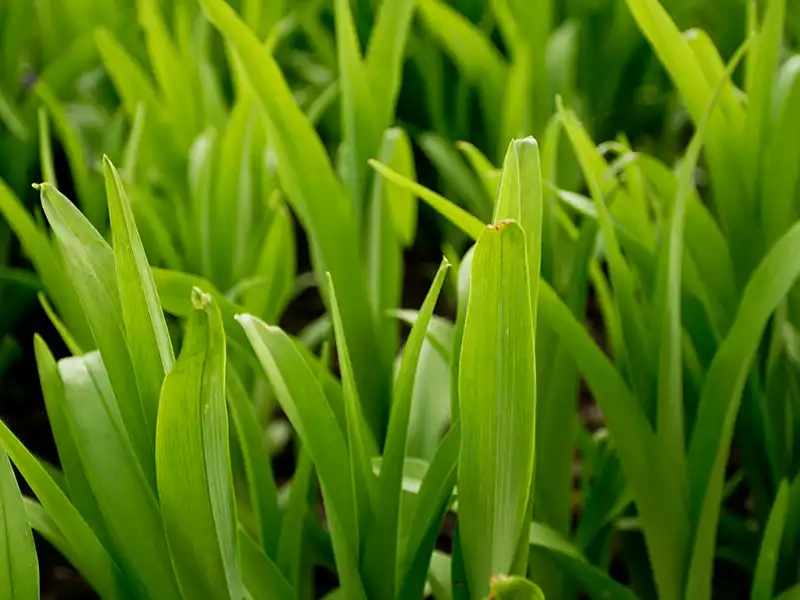


Whittet Kikuyu Lawn Seeds
Establish a vigorous, hard-wearing warm-season lawn with Whittet Kikuyu, a fast-spreading grass suited to warm Australian conditions.
Whittet Kikuyu is a vigorous perennial warm-season grass valued for its rapid spreading growth, excellent wear tolerance, strong recovery and adaptability to a wide range of soils.
Kikuyu is widely used for home lawns, acreage lawns, recreational areas, parks, high-traffic areas and general landscaping. Once established, it spreads strongly through stolons and rhizomes, allowing it to repair worn or damaged areas and form dense ground cover.
Whittet Kikuyu performs particularly well in subtropical and warm temperate regions and is suitable for many areas of Queensland and New South Wales. It prefers full sun and active summer growing conditions and may become dormant or lose colour during colder weather.
For best establishment, sow into a well-prepared seedbed when soil temperatures are warm and maintain consistent moisture while the seed germinates and establishes.
Whittet Kikuyu Seed Details
| Common name | Kikuyu Grass |
|---|---|
| Variety | Whittet |
| Botanical name | Cenchrus clandestinus (syn. Pennisetum clandestinum) |
| Plant type | Warm-season perennial turf grass |
| Growth habit | Fast-spreading through stolons and rhizomes |
| Best use | Home lawns, acreage lawns, parks, recreational turf and high-traffic areas |
| Position | Full sun preferred |
| Climate | Tropical, subtropical and warm temperate |
| Soil | Adaptable to a wide range of soil types; tolerates relatively low fertility and acidic soils once established |
| Sowing depth | Very shallow; lightly rake or press into approximately the top 5 mm of soil |
| Watering | Keep consistently moist during germination and early establishment |
Why Choose Whittet Kikuyu Lawn Seed?
- Vigorous warm-season lawn grass suited to many parts of Queensland and New South Wales.
- Spreads through stolons and rhizomes to form dense turf.
- Excellent recovery from wear and physical damage.
- Suitable for family lawns, pets, recreational areas and other frequently used turf.
- Strong summer growth in warm conditions.
- Adaptable to a broad range of soil types.
- Can tolerate relatively low soil fertility once established.
- Good choice for larger lawns and acreage where vigorous ground coverage is required.
- Responds strongly to mowing, watering and fertilising during active growth.
How Whittet Kikuyu Grows
Whittet Kikuyu is a vigorous spreading perennial grass. Unlike bunch-forming lawn grasses, Kikuyu produces both above-ground stolons and underground rhizomes that allow it to spread laterally and fill bare areas.
This growth habit gives Kikuyu several important advantages as a lawn grass:
| Rapid spreading | Runners spread across exposed soil and help establish dense ground cover. |
|---|---|
| Wear recovery | Strong vegetative growth allows established turf to recover relatively quickly from regular use. |
| Dense turf | Regular mowing encourages Kikuyu to develop into a dense lawn. |
| Summer performance | Growth is strongest during warm weather when adequate moisture and nutrients are available. |
Because Kikuyu is naturally vigorous, it should generally be kept within the intended lawn area through regular mowing and edging.
How to Sow Whittet Kikuyu Lawn Seed
Successful Kikuyu establishment depends on warm soil, good seed-to-soil contact and consistent moisture. Do not sow deeply, as small grass seed establishes best close to the soil surface.
- Remove weeds and unwanted vegetation.
Clear the lawn area thoroughly before sowing. Established weeds can compete strongly with young Kikuyu seedlings. - Prepare the soil.
Loosen compacted ground and create a fine, reasonably level seedbed. Remove large clods, stones and debris. - Improve poor soil if required.
Incorporate suitable lawn soil, compost or soil amendments where necessary. Avoid leaving large amounts of undecomposed organic material directly around the seed. - Broadcast the seed evenly.
Divide the seed into two portions and sow in two directions across the area to help achieve more even coverage. - Lightly rake the seed into the surface.
Kikuyu seed should remain close to the soil surface. Lightly rake it into approximately the top 5 mm of soil rather than burying it deeply. - Firm the seedbed.
Gently roll or press the surface after sowing to improve seed-to-soil contact. - Water gently.
Use a fine spray so the seedbed is thoroughly moistened without washing seed away or causing erosion. - Maintain consistent moisture.
Keep the surface moist during germination and early establishment. Several light waterings may be preferable to heavy watering while seedlings are small. - Begin mowing after establishment.
Allow seedlings to become firmly rooted before mowing. Regular mowing will encourage denser lateral growth as the Kikuyu develops.
When to Sow Kikuyu Lawn Seed in Australia
Kikuyu grows most actively in warm conditions. The best sowing period depends more on
soil temperature, available moisture and frost risk than on a particular calendar date.
| Climate | General Sowing Guide |
|---|---|
| Tropical | Can be established through much of the warm growing season where reliable moisture is available. |
| Subtropical | Spring through summer and into early autumn while soil remains warm. Well suited to areas such as South East Queensland. |
| Warm temperate | Late spring through summer after soils have warmed. |
| Cool / frost-prone | Generally sow from late spring into summer after frost risk has passed. Kikuyu may become dormant during cold weather. |
| Dry / inland | Sow during warm conditions when irrigation or reliable rainfall is available for establishment. |
Sun, Shade & Soil Requirements
Whittet Kikuyu performs best in open, sunny locations where it receives sufficient warmth and light for vigorous growth.
- Full sun: Ideal for the strongest growth and densest turf.
- Light shade: Some growth is possible, but turf may become thinner as shade increases.
- Heavy shade: Kikuyu is generally not the best choice for persistently shaded lawn areas.
- Soil: Adaptable to many soil types, particularly where drainage is reasonable.
- Soil fertility: Established Kikuyu can tolerate relatively low fertility but responds strongly to appropriate fertilising.
- Soil pH: Whittet Kikuyu is relatively adaptable and can tolerate acidic soils.
The Williams Seed supplier description specifically notes that Whittet Kikuyu can handle low pH and low fertility and is suited to many soil types.
Kikuyu Lawn Care & Maintenance
- Keep the seedbed consistently moist during germination and establishment.
- Reduce watering frequency gradually once the lawn has developed a deeper root system.
- Mow regularly during periods of active summer growth.
- Avoid removing more than approximately one-third of the leaf height in a single mow.
- Regular mowing encourages a denser and more uniform lawn.
- Fertilise according to soil conditions and desired lawn quality.
- Edge garden beds, paths and other boundaries regularly because Kikuyu spreads vigorously.
- Growth naturally slows as temperatures fall and may stop during cold or frosty conditions.
Is Kikuyu a Good Lawn Grass?
Kikuyu is particularly suitable where a lawn needs to cope with regular use, warm weather and occasional damage. Its vigorous spreading growth makes it considerably more capable of repairing worn patches than many slower-growing lawn grasses.
It can be particularly useful for:
- Family lawns
- Homes with children or pets
- Large residential lawns
- Acreage properties
- Parks and recreational areas
- General-purpose landscaping
- Areas requiring strong ground coverage
Kikuyu’s vigour is also something to consider before planting. Its runners can move into garden beds and surrounding areas if boundaries are not maintained. Regular mowing and edging are therefore an important part of Kikuyu lawn management.
Frequently Asked Questions
What is Whittet Kikuyu?
Whittet is a variety of Kikuyu Grass, a vigorous warm-season perennial grass commonly used for lawns, recreational turf and pasture in suitable Australian climates.
Is Kikuyu suitable for Queensland?
Yes. Kikuyu is particularly well suited to warm and subtropical conditions and is widely suitable across much of Queensland where adequate moisture is available.
Is Kikuyu suitable for New South Wales?
Yes. Kikuyu is widely suited to warm coastal and inland areas of New South Wales. In colder districts it may slow substantially or become dormant during winter.
Does Kikuyu grow from seed?
Yes. Kikuyu can be established from seed when sown into warm, prepared soil and kept consistently moist during germination and establishment.
Does Kikuyu need full sun?
Full sun is preferred. Kikuyu can tolerate some light shade, but prolonged or heavy shade generally results in thinner turf.
Is Kikuyu drought tolerant?
Established Kikuyu has useful drought tolerance because of its vigorous root and rhizome system, but irrigation may still be required to maintain strong colour and active growth during extended dry periods.
Is Kikuyu suitable for high-traffic lawns?
Yes. One of Kikuyu’s major advantages is its strong wear tolerance and ability to spread back into damaged or worn areas during active growth.
Does Kikuyu spread?
Yes. Kikuyu spreads strongly through stolons and underground rhizomes. This makes it effective at forming dense turf but means regular mowing and edging may be required to contain it.
Will Kikuyu stay green during winter?
This depends on climate. In warm subtropical areas Kikuyu may retain reasonable colour through much of winter, while in colder or frost-prone areas growth slows substantially and the lawn may lose colour or become dormant.
Can Kikuyu grow in poor soil?
Whittet Kikuyu is adaptable and can tolerate relatively low fertility and acidic soils once established. However, good soil preparation and appropriate nutrition will generally produce a denser and healthier lawn.
How deep should Kikuyu seed be planted?
Kikuyu seed should be sown very shallowly. Broadcast over a prepared seedbed and lightly rake or press the seed into approximately the top 5 mm of soil.
How often should newly sown Kikuyu be watered?
Keep the upper soil surface consistently moist during germination and early establishment. Water gently so the seed is not washed away. Once the grass develops a stronger root system, gradually reduce watering frequency.
Reviews
There are no reviews yet.