
Quick Facts
What Is a Tropical Climate and Which Countries Is This Guide Suitable For?
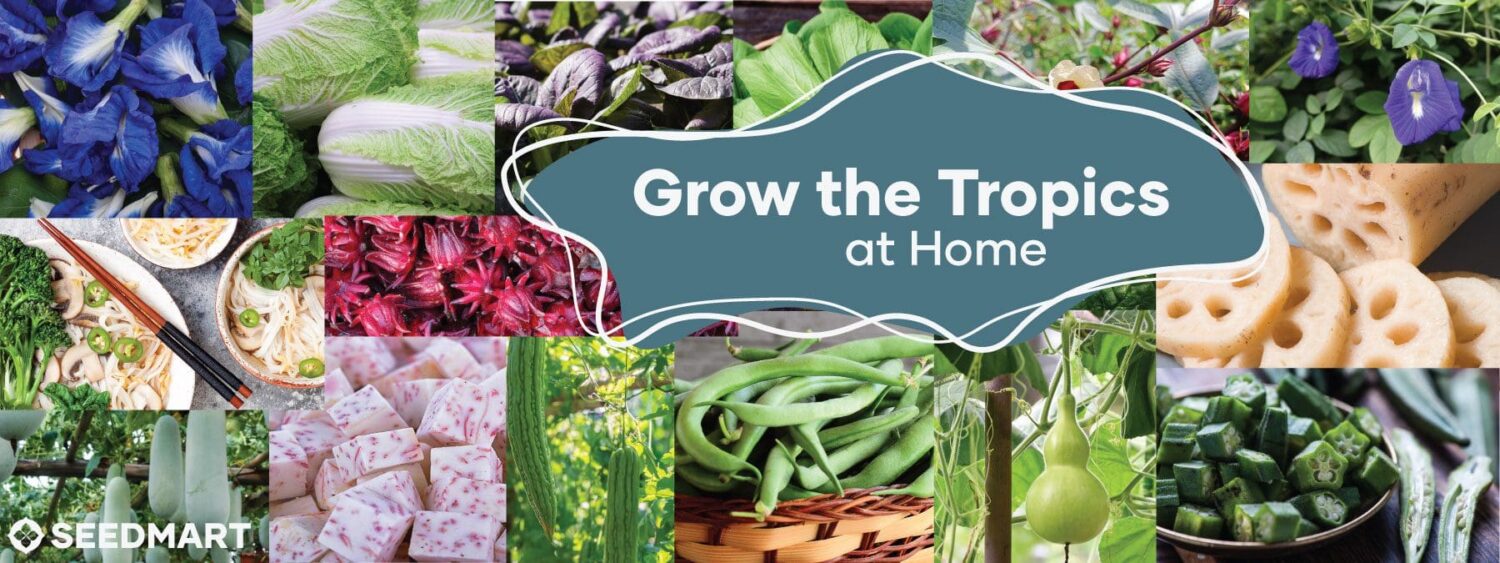
A tropical climate is characterised by consistently warm temperatures throughout the year, high humidity and, in many regions, seasonal wet and dry periods rather than four distinct seasons. Tropical climates are found across much of Southeast Asia, including Singapore, Malaysia, Indonesia, Thailand, Vietnam, the Philippines and southern India, as well as many Pacific Islands, northern Australia, parts of Central America, South America and Africa.
These warm conditions allow sprouting seeds to germinate quickly, but they also require careful moisture management, good airflow and excellent drainage to produce healthy sprouts.
Can Sprouting Seeds Be Grown in a Tropical Climate?
Yes. Sprouting seeds can be grown throughout the year in tropical climates because they are normally produced indoors and do not depend on an outdoor planting season.
Warm conditions can support rapid germination. In many tropical homes, a visible root may appear sooner than it would in a cool climate.
However, faster germination does not automatically mean easier sprouting. High temperatures and humidity can also increase the risk of:
- Sour or fermented odours.
- Water remaining trapped between the seeds.
- Overcrowded and poorly ventilated growth.
- Slime and rapid deterioration.
- Fungal growth.
- Bacterial multiplication.
- Sprouts becoming overgrown or strongly flavoured.
Successful tropical sprouting depends on selecting vigorous seeds, growing smaller batches, rinsing with cool potable water, draining thoroughly and harvesting promptly.
What Makes a Good Sprouting Seed for Tropical Conditions?
The most suitable tropical sprouting seeds generally have several characteristics:
- Fast and reliable germination.
- A relatively short harvest period.
- Good tolerance of warm indoor conditions.
- Seeds large enough to rinse and drain easily.
- Limited production of sticky mucilage.
- A harvest stage that can be reached before the batch becomes overcrowded.
Large legumes such as mung beans, chickpeas and lentils are practical because they are easy to handle and inspect. Fenugreek and adzuki beans also germinate readily, while radish and mustard provide a faster, more strongly flavoured option.
Smaller seeds can still be grown in tropical conditions, but they may require finer mesh, careful drainage and closer temperature management.
Many of the factors that influence successful sprout production—including seed quality, soaking duration, watering frequency, drainage, temperature, airflow and harvest timing—have been reviewed in the scientific literature. For readers interested in the research behind commercial and home sprout production, Seed Sprout Production for Human Consumption – A Review provides a comprehensive overview of the environmental conditions that affect sprout growth and quality.
Best Sprouting Seeds for Tropical Climates
1. Mung Bean Sprouts
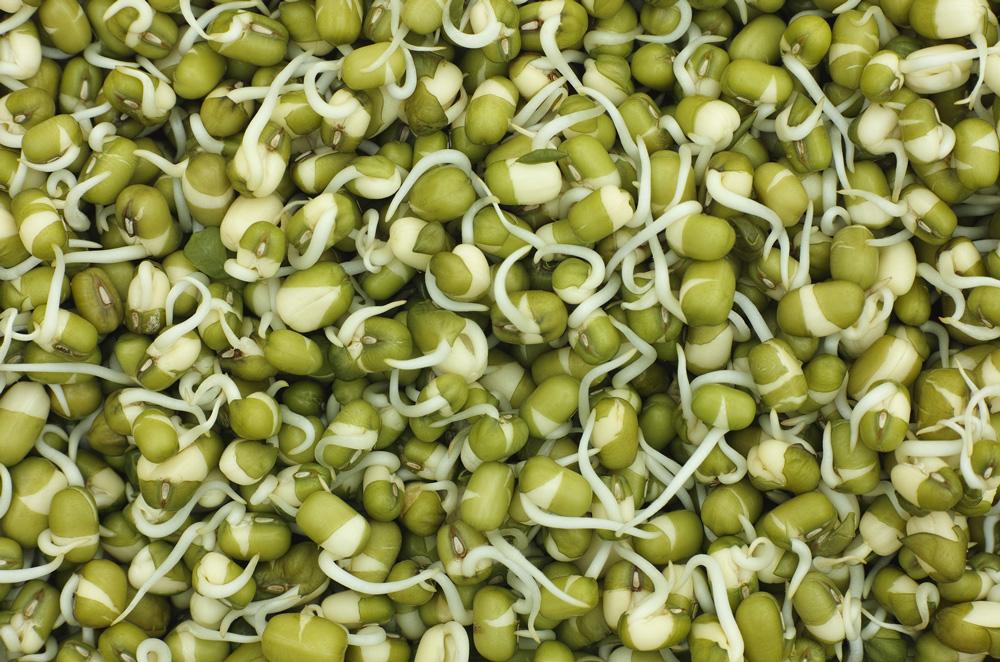
Mung beans are one of the best-known sprouting seeds for hot and humid regions. The species originates from warm parts of Asia and germinates readily at normal tropical indoor temperatures.
Mung bean sprouts are thicker than many salad sprouts and expand considerably during growth. Use a large jar, sprouting bag or dedicated bean-sprouting container rather than overcrowding a small jar.
- Soaking time: approximately 8–12 hours.
- Typical harvest: approximately 3–5 days.
- Flavour: mild, fresh and bean-like.
- Best uses: stir-fries, soups, noodles and cooked dishes.
Commercially familiar thick mung bean sprouts are usually grown under controlled pressure and darkness. Home-grown jar sprouts may be thinner and develop small leaves, but they remain useful for cooking.
For food safety, mung bean sprouts are best cooked thoroughly rather than eaten raw.
2. Fenugreek Sprouts
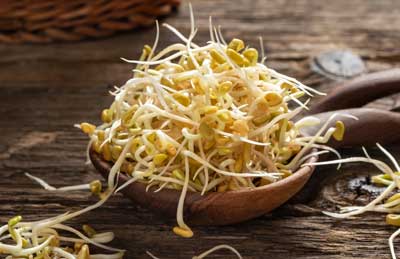
Fenugreek, also known as methi, germinates quickly and performs well in warm indoor conditions.
The sprouts have a recognisable savoury aroma and a mildly bitter, curry-like flavour. Younger sprouts are generally milder than older shoots.
- Soaking time: approximately 6–8 hours.
- Typical harvest: approximately 3–5 days.
- Flavour: savoury, aromatic and mildly bitter.
- Best uses: salads, curries, wraps, grain bowls and sprout blends.
Fenugreek expands substantially after soaking. Begin with approximately one tablespoon in a one-litre jar and maintain good drainage.
3. Lentil Sprouts
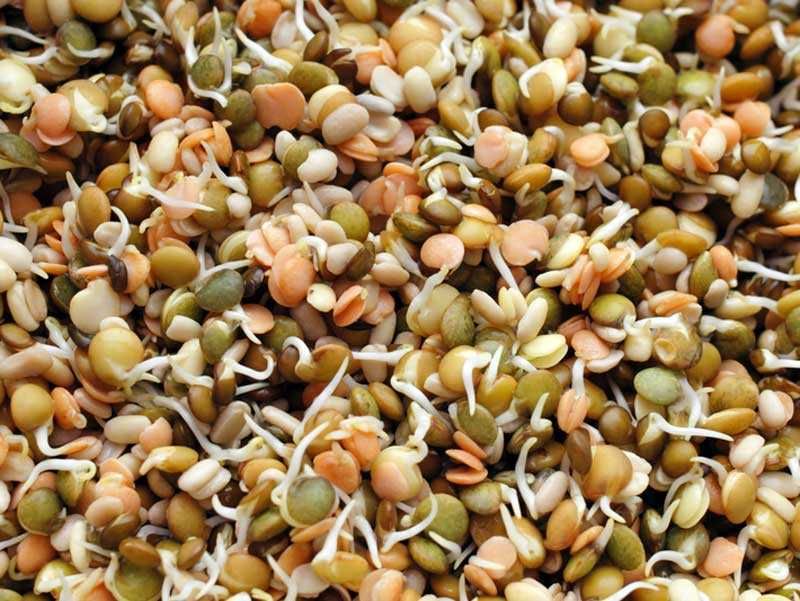
Lentils are fast, compact and practical for beginners. Green, brown and other whole lentils may be sprouted, provided they are viable, intact and specifically suitable for sprouting.
Split lentils will not germinate because the seed has been physically divided.
- Soaking time: approximately 6–8 hours.
- Typical harvest: approximately 2–4 days.
- Flavour: earthy and mildly nutty.
- Best uses: soups, curries, salads and cooked grain dishes.
Lentil sprouts should be cooked before eating. Sprouting begins the germination process, but it does not make every legume appropriate for raw consumption.
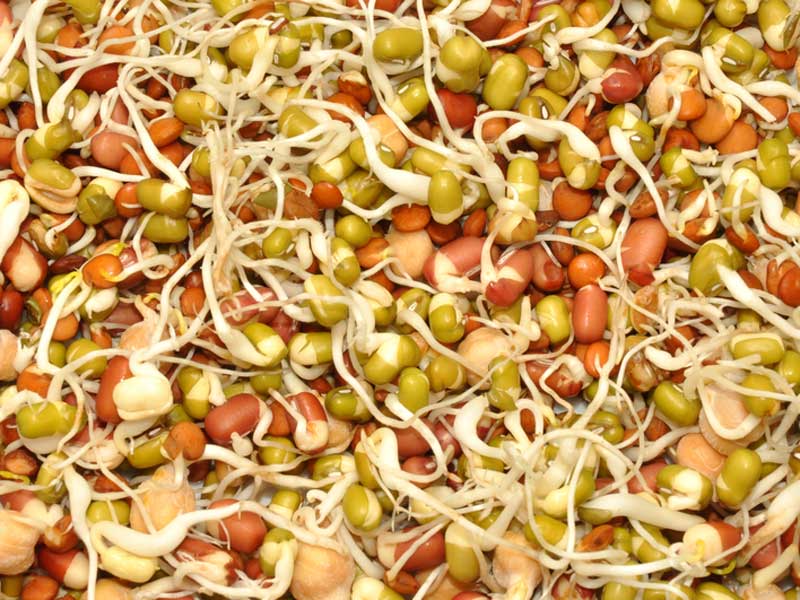
4. Chickpea Sprouts
Chickpeas produce substantial sprouts with a firm texture and nutty flavour. They are well suited to short sprouting cycles in tropical climates.
Use only whole, viable chickpeas supplied for sprouting. Chickpeas expand considerably and should not fill more than a small part of the jar before soaking.
- Soaking time: approximately 8–12 hours.
- Typical harvest: approximately 2–4 days.
- Flavour: nutty and bean-like.
- Best uses: cooked salads, curries, soups, patties and hummus-style dishes.
Sprouted chickpeas should be cooked thoroughly before consumption.
5. Adzuki Bean Sprouts
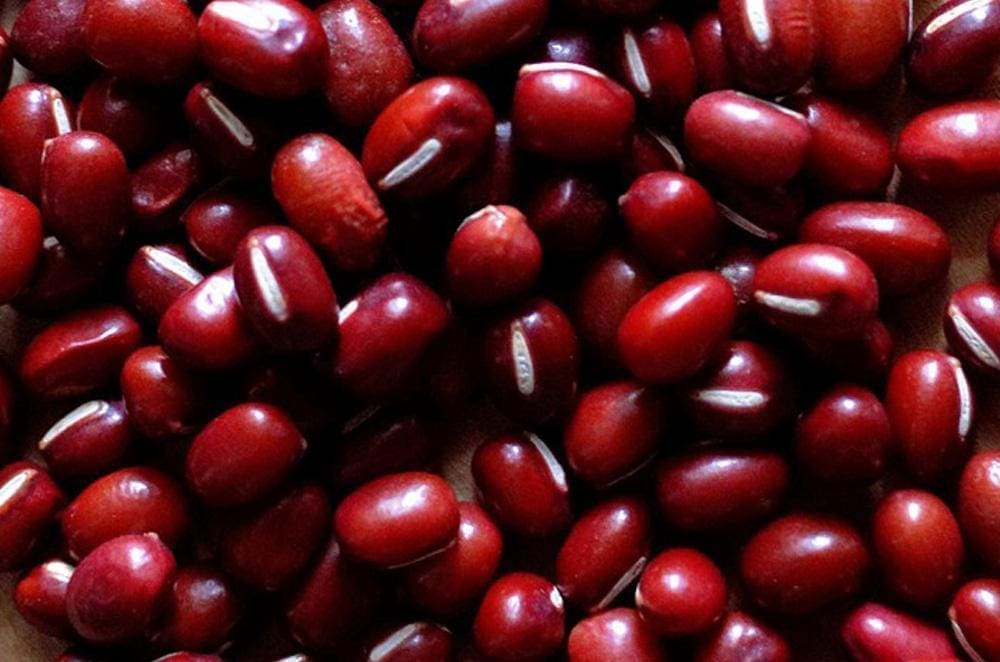
Adzuki beans produce smaller sprouts than mung beans and have a slightly sweet, nutty flavour after cooking.
They tolerate warm indoor conditions but should not be left in standing water. The beans can become tightly packed as roots emerge, so use a generous container.
- Soaking time: approximately 8–12 hours.
- Typical harvest: approximately 3–5 days.
- Flavour: nutty and mildly sweet.
- Best uses: cooked rice dishes, soups, curries and bean mixtures.
Adzuki bean sprouts should be cooked before eating.
6. Radish Sprouts
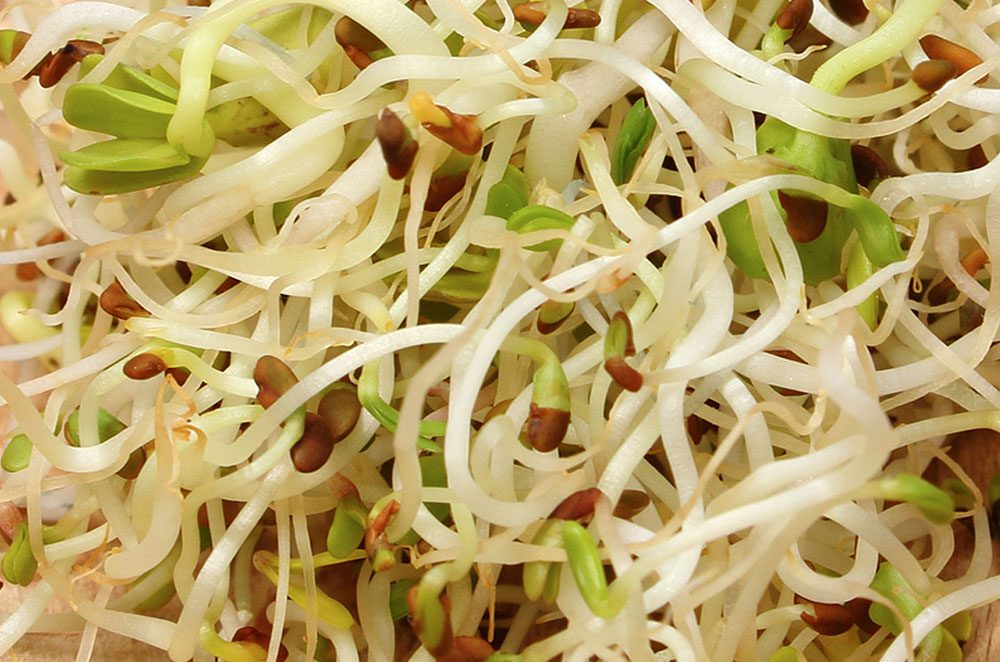
Radish is a useful option for growers who prefer a peppery sprout. It germinates rapidly and is normally ready before slower salad sprouts.
Because radish roots are fine and dense, overcrowded batches may retain moisture. Use a suitable fine-mesh sprouting lid and begin with a small seed quantity.
- Soaking time: approximately 4–6 hours.
- Typical harvest: approximately 3–5 days.
- Flavour: peppery and radish-like.
- Best uses: sandwiches, salads, wraps and mixed sprouts.
Keep the jar out of direct sun and inspect the roots carefully when distinguishing normal root hairs from mould.
7. Mustard Sprouts
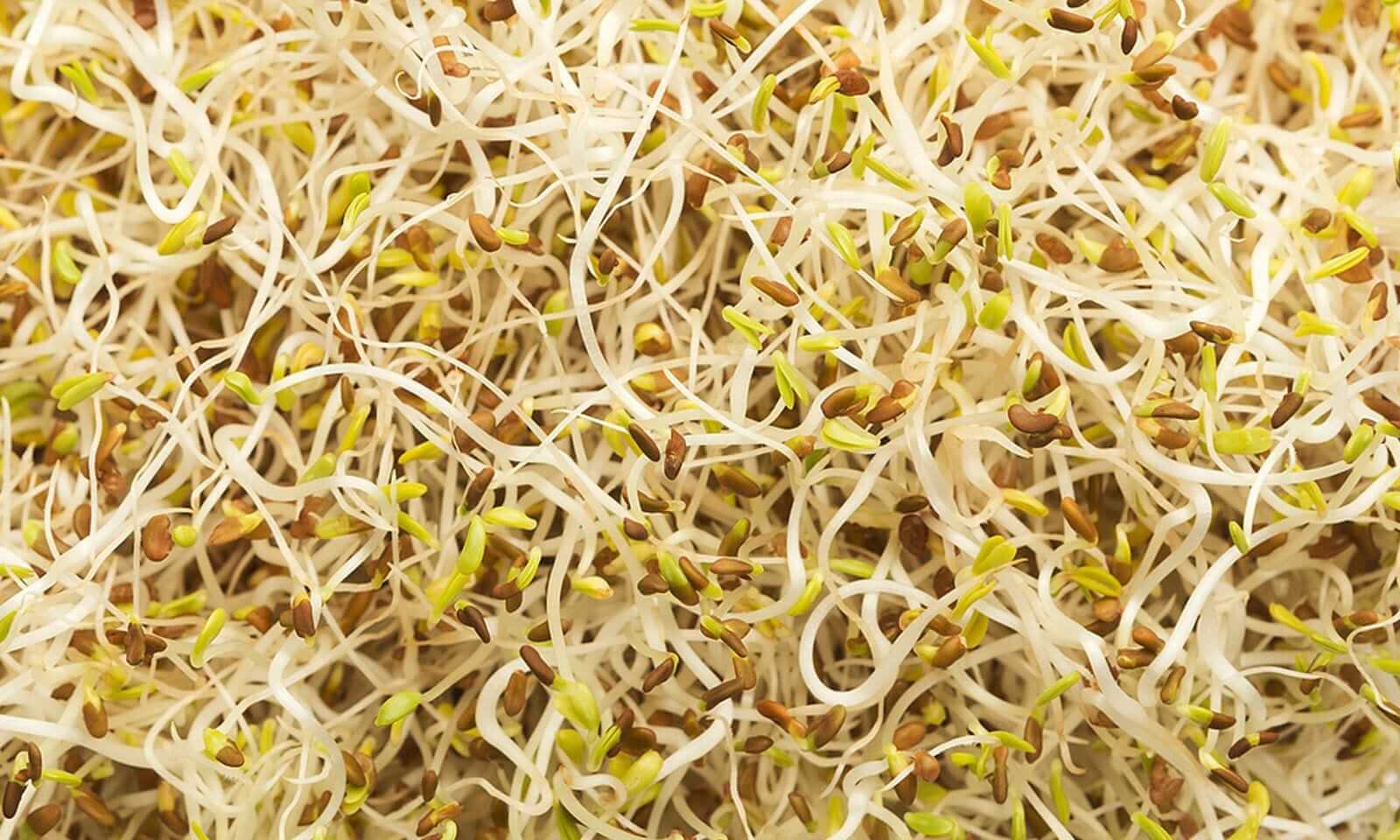
Mustard sprouts have a strong, spicy flavour and are normally used in small amounts.
The fine seed requires a mesh that will allow water to drain without allowing the seeds to escape. Mustard can develop some mucilage, depending on the type, so a tray or specialised system may be easier than a standard jar.
- Soaking time: approximately 3–5 hours.
- Typical harvest: approximately 3–5 days.
- Flavour: hot, mustard-like and peppery.
- Best uses: mixed salads, sandwiches, garnishes and sprout blends.
Avoid overcrowding, as dense mustard sprouts can hold considerable moisture in a humid environment.
If you’re new to sprouting or prefer a balanced blend of complementary varieties, our Salad Mix Sprouting Seeds combine several popular sprouting seeds into one easy-to-grow mix, producing fresh, crisp sprouts with a mild flavour that’s perfect for salads, sandwiches and wraps.
Can Broccoli and Alfalfa Sprouts Grow in Tropical Climates?
Yes, but they require more temperature management than mung beans, fenugreek or lentils.
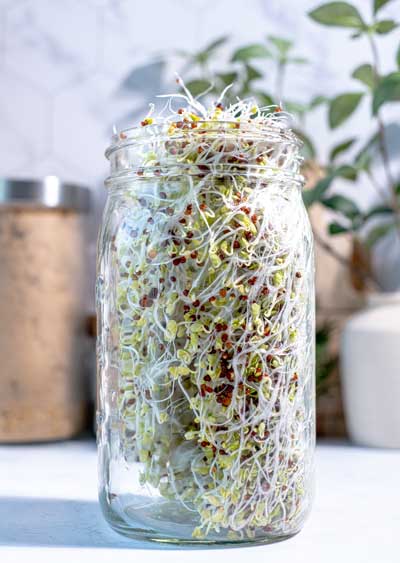
Broccoli, alfalfa and clover form dense masses of fine roots and stems. In warm tropical conditions, the centre of an overcrowded jar can remain warmer and wetter than the surrounding air.
For better results:
- Use less seed than you would in a cool climate.
- Select the coolest practical indoor position.
- Avoid direct sunlight.
- Rinse two or three times daily.
- Rotate the jar to release trapped water.
- Maintain airflow around the sprouting lid.
- Harvest promptly.
An air-conditioned room may be useful, but the jar should not be placed directly beneath a cold vent where the sprouts may dry unevenly.
Sprouting Seeds That Require Special Care
Some seeds are more difficult to grow in standard jar systems because they produce mucilage when wet.
These include:
- Chia.
- Flax.
- Basil.
- Some mustard varieties.
- Rocket or arugula.
Mucilaginous seeds develop a sticky gel around the seed coat. This can block airflow and make normal rinsing and drainage difficult.
These seeds are generally better grown as microgreens on a shallow tray, suitable mat or growing medium rather than repeatedly submerged in a jar.
Seeds That Should Not Be Used as Raw Sprouts
Not every edible seed, grain or bean is suitable for raw sprouting.
Avoid treating the following as ordinary raw salad sprouts:
- Kidney beans: raw and inadequately cooked kidney beans contain high levels of phytohaemagglutinin and must be cooked correctly.
- Soybeans: should be thoroughly cooked before consumption.
- Chickpeas: sprout briefly, then cook thoroughly.
- Lentils: cooking is the safer approach.
- Adzuki beans: cook before eating.
- Nightshade seeds: tomato, capsicum, eggplant and potato should not be grown as edible sprouts.
- Garden seed treated with chemicals: never use chemically treated sowing seed for edible sprouts.
Always select seed that is specifically supplied for sprouting and follow the product’s intended-use instructions.
Best Indoor Conditions for Tropical Sprouting
How to Grow Sprouting Seeds in a Tropical Climate
1. Choose Seed Intended for Sprouting
Use seed specifically supplied and labelled for sprouting.
Seed intended only for garden sowing may have been treated with fungicide or another chemical. Culinary seed may be old, heat-treated or stored under conditions that reduce germination.
Check the product description and avoid any seed labelled as chemically treated.
2. Clean the Equipment
Wash the sprouting jar, mesh lid, tray, bag and utensils thoroughly before each batch.
Pay attention to:
- The jar rim.
- Threads beneath the lid.
- Fine mesh openings.
- Drainage trays.
- Seams in sprouting bags.
Allow equipment to dry between batches and wash your hands before handling the seed.
3. Use a Smaller Quantity of Seed
Tropical growers should generally begin with less seed than the maximum capacity of the container.
A one-litre jar may require only:
- One tablespoon of fine seed.
- One to two tablespoons of medium seed.
- A modest layer of large beans or chickpeas.
The correct amount depends on how much the seed expands. The finished sprouts must still be loose enough for water and air to move through the batch.
4. Rinse the Dry Seed
Add cool potable water, swirl thoroughly and drain.
Repeat until loose dust and debris have been removed. Rinsing does not sterilise the seed, but it is an important preparation step.
5. Soak for the Appropriate Time
Cover the seeds with several times their volume of cool potable water.
General soaking periods include:
- Fine brassica seed: approximately 4–6 hours.
- Fenugreek: approximately 6–8 hours.
- Lentils: approximately 6–8 hours.
- Mung beans: approximately 8–12 hours.
- Chickpeas and adzuki beans: approximately 8–12 hours.
Avoid leaving seeds submerged unnecessarily long in a warm room. Drain as soon as the recommended soaking period is complete.
6. Drain Completely
After soaking, rinse the seeds with fresh water and drain through the mesh lid.
Place the jar upside down at an angle. The opening should remain exposed so air can enter while water drains.
The seed should be damp but not submerged.
7. Rinse Two or Three Times Daily
Rinse with cool potable water approximately every 8–12 hours.
A practical tropical schedule is:
- Morning.
- Late afternoon.
- Evening when conditions are especially warm.
After each rinse, rotate the jar gently to release water trapped between seeds and roots.
Rinsing more frequently is not helpful unless the water can drain completely afterwards.
8. Keep the Sprouts Out of Direct Sun
Place the container in indirect light in the coolest practical part of the home.
Good locations may include:
- An air-conditioned kitchen or dining room.
- An open shelf with airflow.
- A shaded benchtop away from appliances.
- A ventilated utility area.
Avoid:
- Sunny windowsills.
- Closed cupboards.
- Areas beside ovens, kettles or rice cookers.
- Locations near food waste.
- Direct airflow from an air-conditioner.
9. Inspect the Batch at Every Rinse
Look for:
- Normal germination and root growth.
- Fresh, characteristic odour.
- Free-flowing rinse water.
- No standing water.
- No slimy coating.
- No unusual colour.
- No spreading fungal webbing.
Discard the entire batch when there is uncertainty about its safety.
10. Harvest Promptly
Warm tropical conditions can shorten the growing cycle.
Do not continue sprouting merely to achieve maximum shoot length. A younger, fresh batch is preferable to an overgrown batch that has spent additional time in warm, humid conditions.
Complete a final rinse, drain thoroughly and refrigerate immediately.
Day-by-Day Tropical Sprouting Guide
How Often Should Sprouts Be Rinsed in Hot Weather?
Most sprouts should be rinsed two or three times daily in a tropical climate.
The correct frequency depends on:
- Room temperature.
- Seed size.
- How densely the jar is filled.
- Airflow.
- How quickly the surface begins drying.
Each rinse temporarily refreshes and cools the batch, but rinsing does not compensate for poor drainage.
After rinsing:
- Drain the main volume of water.
- Rotate the jar gently.
- Allow trapped droplets to escape.
- Return the jar to an angled draining position.
- Empty the drainage tray.
Can Sprouts Be Grown in Air Conditioning?
Yes. Air conditioning can help moderate tropical indoor temperatures.
Place the sprouts in an air-conditioned room rather than directly beneath the air-conditioning outlet.
Strong direct airflow may cause:
- Uneven drying.
- Cold and warm areas within the batch.
- Seeds drying between rinses.
Continue the normal rinse-and-drain routine even when the room is cool.
Can Sprouts Be Grown Without Air Conditioning?
Yes, but batch management becomes more important.
In a warm non-air-conditioned home:
- Grow smaller quantities.
- Choose fast varieties such as mung bean, fenugreek and lentil.
- Rinse approximately three times daily.
- Use cool potable water.
- Drain extremely well.
- Keep the container in a shaded, ventilated position.
- Harvest at the younger end of the normal range.
Do not use ice water or place the jar in a freezer to cool it rapidly. Stable indoor conditions are preferable to extreme temperature changes.
Food Safety When Growing Sprouts
Raw sprouts are a higher-risk food because the warm and moist conditions needed for seed germination can also allow bacteria to multiply.
Contamination may be present on or within the seed before sprouting begins. A batch can look and smell normal while still containing harmful microorganisms.
Reduce risk by following these practices:
- Use seed specifically supplied for sprouting.
- Never use chemically treated garden seed.
- Wash hands before handling seeds or sprouts.
- Clean and dry equipment between batches.
- Use potable water.
- Keep sprouts away from raw meat, dirty vegetables and food waste.
- Drain completely after every rinse.
- Keep batches small.
- Harvest promptly.
- Refrigerate immediately after harvest.
- Discard any suspicious batch.
People who are pregnant, elderly, immunocompromised or very young are generally more vulnerable to foodborne illness and should follow current professional and local food-safety advice before consuming raw or lightly cooked sprouts.
Thorough cooking is the most reliable way to reduce the microbial risk associated with sprouts.
Common Problems When Sprouting Seeds in Tropical Climates
The Sprouts Smell Sour or Fermented
A sour, alcoholic, fermented or rotten smell is not normal. Discard the entire batch.
Common causes include:
- Standing water.
- Overcrowding.
- Excess heat.
- Insufficient airflow.
- Dirty equipment.
- Growing the sprouts too long.
Do not attempt to rescue questionable sprouts by repeatedly rinsing them.
The Sprouts Feel Slimy
Sliminess can indicate deterioration or microbial growth. Discard the batch.
For the next attempt:
- Use less seed.
- Shorten the soaking period if it was excessive.
- Improve drainage.
- Increase airflow.
- Harvest earlier.
White Fuzz Is Appearing Around the Roots
Healthy roots can develop fine white root hairs. These often appear evenly along the roots and become less visible when wet.
Mould is more likely to:
- Form irregular webbing between multiple seeds.
- Spread across the batch.
- Remain visible after rinsing.
- Be accompanied by odour or discolouration.
Discard the batch whenever identification is uncertain.
The Seeds Are Not Germinating
Poor germination may be caused by:
- Old seed.
- Heat-damaged seed.
- Seed not intended for sprouting.
- Insufficient soaking.
- Seeds drying after soaking.
- Chemical treatment.
Use fresh sprouting seed and follow the recommended soak for that particular species.
The Sprouting Jar Is Too Crowded
Crowding restricts airflow and traps rinse water.
The solution is not a larger number of rinses. Use less seed or a larger container.
Large beans may increase several times in volume, while fine salad sprouts can form a dense mass of roots and stems.
The Sprouts Are Growing Too Quickly
Very rapid growth is common in tropical heat.
Harvest earlier and move future batches to a cooler position. Do not allow sprouts to remain in the jar simply because the published instructions give a longer maximum growing time.
The Sprouts Are Drying Between Rinses
Drying may occur near fans, open windows or air-conditioning outlets.
Move the jar away from concentrated airflow and consider a third daily rinse. Continue to drain completely after every rinse.
Seed Coats Are Remaining on the Sprouts
Loose seed coats are normal.
They can be removed during the final rinse by gently agitating the sprouts and skimming floating hulls. Complete removal is not essential for most varieties.
Sprouts vs Microgreens in Tropical Climates
Sprouts and microgreens are not the same crop.
Mucilaginous seeds such as chia and basil are generally easier to grow as microgreens than as repeatedly rinsed jar sprouts.
Frequently Asked Questions
What are the best sprouting seeds for a tropical climate?
Mung beans, fenugreek, lentils, chickpeas, adzuki beans, radish and mustard are practical choices. Broccoli, alfalfa and clover can also be grown with greater attention to temperature and airflow.
Can sprouts be grown all year in the tropics?
Yes. Indoor sprouting is not dependent on a planting season, although room temperature and humidity affect the growing time and level of care required.
How often should sprouts be rinsed in hot weather?
Rinse and drain most sprouts two or three times daily. Complete drainage after every rinse is essential.
Should I use warm or cold water?
Use cool potable water. Avoid very hot water and extreme temperature treatments unless following an appropriately validated food-safety process.
Do sprouts need sunlight?
No direct sunlight is required. Indirect room light is sufficient, and full tropical sun can overheat the container.
Why do sprouts spoil faster in tropical climates?
Warm temperatures, high humidity, retained moisture and poor airflow can accelerate microbial activity and deterioration.
Can I grow sprouts without air conditioning?
Yes. Use smaller batches, rinse regularly, drain thoroughly, keep the container shaded and harvest promptly.
What is the easiest sprout for hot weather?
Mung beans and fenugreek are among the easiest because they germinate vigorously and tolerate warm indoor conditions.
Can mung bean sprouts be eaten raw?
Mung bean sprouts are often cooked. Thorough cooking is the safer option because raw sprouts can carry harmful microorganisms.
Can chickpea sprouts be eaten raw?
Sprouted chickpeas should be cooked thoroughly before consumption.
Can lentil sprouts be eaten raw?
Cooking sprouted lentils is the safer approach and also improves their texture and digestibility.
Can kidney beans be sprouted?
Kidney beans should not be treated as raw edible sprouts. Raw and inadequately cooked kidney beans contain phytohaemagglutinin and can cause illness.
Can I use supermarket beans for sprouting?
Some may germinate, but their age, treatment, storage and suitability for sprouting may be uncertain. Use seed specifically supplied for sprouting.
Why are my sprouts slimy?
Slime may result from overheating, overcrowding, poor drainage, dirty equipment or deterioration. Discard slimy sprouts.
How do I know whether white fuzz is mould?
Root hairs are normally attached evenly to roots and become less visible when rinsed. Mould often forms irregular webbing between seeds and may be accompanied by odour or discolouration. Discard the batch when uncertain.
Should the sprouting jar be sealed?
No. Germinating seeds require airflow. Use a ventilated mesh lid and keep the jar angled for drainage.
How much seed should I put in a jar?
Begin with approximately one tablespoon of fine or medium seed in a one-litre jar. Use less when the seed expands substantially or forms a dense root mass.
How long do sprouts take to grow in tropical weather?
Many sprouts are ready within approximately two to five days. Smaller salad sprouts may take slightly longer, depending on the variety and indoor conditions.
Can sprouts be kept beside a sunny window?
No. Direct sunlight can rapidly heat the container and should be avoided.
Should sprouts be refrigerated immediately after harvest?
Yes. Complete the final rinse, drain thoroughly and refrigerate promptly in a clean food-safe container.
How long do home-grown sprouts last?
Use them promptly. Storage life depends on hygiene, drainage, refrigerator temperature and handling. Discard sprouts that develop slime, odour, discolouration or loss of firmness.
Are sprouts safe for children and pregnant people?
Raw sprouts carry an elevated microbial risk. Pregnant people, young children, older adults and immunocompromised individuals should follow current professional food-safety advice and choose thoroughly cooked sprouts where appropriate.
Tips for Growing Sprouting Seeds Successfully in Tropical Climates
Sprouting seeds can be grown successfully in tropical regions, but warm conditions reward careful management rather than large batches or long growing cycles.
For reliable results:
- Choose fast, vigorous sprouting varieties.
- Use seed specifically supplied for sprouting.
- Start with a small quantity.
- Use cool potable water.
- Follow the appropriate soaking period for each seed.
- Rinse two or three times daily.
- Drain completely after every rinse.
- Keep the container out of direct sunlight.
- Provide airflow around the sprouting lid.
- Inspect every batch at each rinse.
- Harvest promptly.
- Cook legume sprouts where appropriate.
- Refrigerate immediately after harvest.
- Discard any questionable sprouts.
Mung beans, fenugreek, lentils and chickpeas are particularly practical in warm climates because they germinate quickly and are easy to rinse and inspect. Radish and mustard are useful for growers wanting smaller, strongly flavoured sprouts, while broccoli, alfalfa and clover are better suited to cooler indoor positions and smaller batches.
The central principle is simple: sprouting seeds need moisture to germinate, but they also need oxygen, drainage and temperature control. In tropical conditions, a small, clean and promptly harvested batch is generally more reliable than a densely packed jar grown for maximum size.
Ready to start growing sprouts at home? Browse Seedmart’s range of sprouting seeds for mung beans, fenugreek, lentils, chickpeas, broccoli, radish and other popular varieties suited to jar, bag and tray sprouting systems.