
This guide explains how to grow fenugreek sprouts in New Zealand, including soaking time, rinsing frequency, indoor temperature, harvesting, refrigeration, food safety and solutions to common sprouting problems.
Quick Facts
What Are Fenugreek Sprouts?
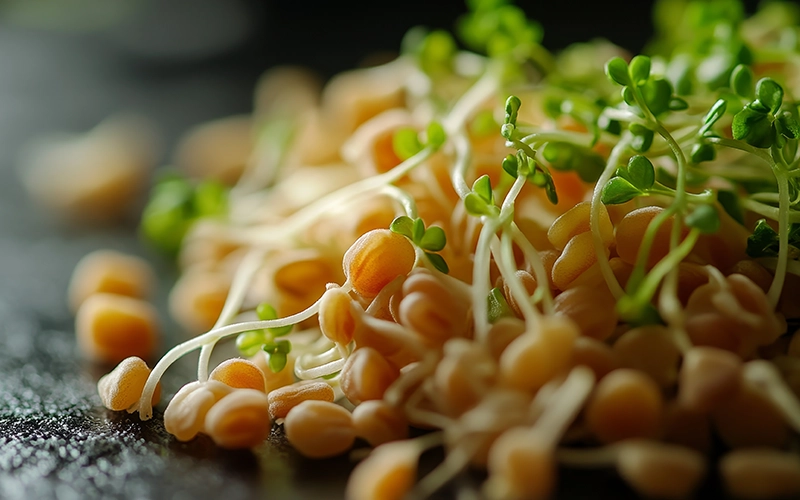
Fenugreek sprouts are the young germinated shoots produced from fenugreek seeds. The dry seeds are soaked in water and then repeatedly rinsed and drained until a root and shoot emerge.
Unlike fenugreek microgreens, sprouts are grown without potting mix or another growing medium. The softened seed, young root and developing shoot are normally harvested and eaten together.
Fenugreek is a member of the legume family and is widely known as methi in South Asian cooking. Mature plants are grown for their fresh leaves, dried leaves and aromatic culinary seeds.
Sprouting changes the firm dry seed into a crisp, fresh shoot. The sprouts retain the characteristic fenugreek flavour but are less concentrated than the dried spice.
Are Methi Sprouts and Fenugreek Sprouts the Same?
Yes. Methi sprouts and fenugreek sprouts are the same product.
Methi is a common name for fenugreek, particularly in Indian and South Asian cooking. The term may refer to different parts of the plant:
- Methi seeds: mature fenugreek seeds.
- Fresh methi: fresh fenugreek leaves.
- Kasuri methi: dried fenugreek leaves.
- Methi sprouts: germinated fenugreek seeds.
Can Fenugreek Sprouts Be Grown in New Zealand?
Yes. Fenugreek sprouts can be grown indoors throughout the year in New Zealand.
They are suitable for houses, apartments and other compact spaces because they do not require:
- Garden soil.
- A greenhouse.
- A balcony.
- Direct sunlight.
- A large growing area.
The most important environmental factor is indoor temperature. Fenugreek germinates readily in mild conditions, but very cold rooms can slow the process.
In many New Zealand homes, winter kitchen temperatures may fall considerably overnight. This may extend the growing period without necessarily indicating a problem.
Avoid placing the sprouting jar directly beside a heater to accelerate germination. Excessive heat and uneven temperature can increase moisture loss and microbial risk.
Best Conditions for Growing Fenugreek Sprouts in New Zealand
Fenugreek performs best in a mild, shaded and well-ventilated indoor position.
How New Zealand Seasons Affect Sprouting
Fenugreek can be sprouted throughout the year, but the indoor environment changes with the seasons.
Regional Growing Conditions in New Zealand

Because fenugreek sprouts are grown indoors, regional climate is less important than the temperature inside your home. However, local conditions can influence indoor heating, humidity and growth rate.
What Equipment Do You Need?
Fenugreek sprouts can be grown with simple equipment:
- A clean, wide-mouth glass sprouting jar.
- A mesh sprouting lid or securely fitted sprouting screen.
- A jar stand or dish rack that holds the jar at an angle.
- Cool potable water.
- Fenugreek seed supplied specifically for sprouting.
- A clean bowl or drainage tray.
A purpose-designed sprouting bag or ventilated tray may also be used. The system must allow water to drain freely and air to circulate.
Do not use a sealed container after soaking. Germinating seeds require oxygen, and a closed wet environment can quickly develop sour odours.
How Much Fenugreek Seed Should You Use?
Approximately one tablespoon of fenugreek seed in a one-litre sprouting jar is a practical starting quantity.
Fenugreek seeds expand considerably after soaking. They need enough space for water to circulate through the batch during rinsing.
Using too much seed can cause:
- Overcrowding.
- Poor drainage.
- Reduced airflow.
- Uneven germination.
- Water becoming trapped between sprouts.
One to two tablespoons of seed may produce approximately one to two cups of finished sprouts, although actual yield depends on germination rate, indoor temperature and harvest stage.
How to Grow Fenugreek Sprouts in New Zealand
1. Clean the Sprouting Equipment
Wash the jar, mesh lid, stand and any utensils thoroughly before starting.
Pay particular attention to the jar rim and the small openings in the sprouting screen. Residue can remain in these areas between batches.
Allow equipment to dry after cleaning and wash your hands before handling the seeds.
2. Measure the Fenugreek Seeds
Place approximately one tablespoon of seed into a clean one-litre sprouting jar.
Remove any visible stones, broken seeds or unrelated plant material.
Use seed specifically intended for sprouting. Seed sold only for garden sowing may have been chemically treated, while culinary seed may have uncertain age, storage conditions or germination capacity.
3. Rinse the Dry Seeds
Add cool water, swirl the seeds thoroughly and drain.
Repeat the rinse until the water is reasonably clear. This removes loose dust and debris but does not sterilise the seed.
4. Soak for Approximately 6–8 Hours
Cover the seeds with several times their volume of cool potable water.
Fenugreek absorbs water readily and expands during soaking. Leave the seeds submerged for approximately six to eight hours.
An overnight soak is convenient, provided the soaking period is not excessively long.
- Recommended soaking time: 6–8 hours.
- Water: cool potable water.
- Position: shaded indoor location.
- Avoid: direct sunlight, heaters and hot appliances.
Drain the soaking water completely when the soaking period has finished.
5. Rinse and Drain Thoroughly
Refill the jar with fresh water, gently swirl the seeds and drain through the mesh lid.
Turn the jar upside down at an angle. This allows water to escape while maintaining airflow.
The seeds must remain moist, but they should not be left sitting in water.
6. Rinse Two or Three Times Daily
Rinse and drain the seeds approximately every eight to twelve hours.
A practical schedule is:
- Morning rinse.
- Evening rinse.
- An optional midday rinse during warm summer conditions.
After every rinse, allow the water to drain until it is no longer dripping steadily from the jar.
Do not leave a small pool of water in the bottom of the container.
7. Keep the Jar in Indirect Light
Place the draining jar in a clean indoor position with indirect light and reasonable airflow.
Suitable locations include:
- A shaded kitchen bench.
- An open shelf away from direct sun.
- A utility area with good ventilation.
- A moderately warm room during winter.
Avoid:
- Directly sunny windowsills.
- Cold, damp window ledges during winter.
- The top of a heater.
- Areas beside ovens, cooktops or hot-water appliances.
- Closed cupboards.
- Locations near raw meat, compost or food waste.
8. Harvest After Approximately 3–6 Days
A small root commonly appears within one or two days after soaking.
The sprouts will then increase in length and volume. Harvest when they are crisp, fresh and at your preferred size.
Typical timing is:
- Warm summer room: approximately 3–4 days.
- Mild room: approximately 4–5 days.
- Cool winter room: approximately 5–6 days or slightly longer.
These are general guides rather than fixed deadlines. Judge the batch by freshness, development, smell and texture.
Younger sprouts usually have a milder flavour. Older fenugreek sprouts may become increasingly bitter.
9. Complete a Final Rinse
Rinse the finished sprouts thoroughly with cool potable water.
Drain them extremely well before refrigeration. Water clinging to the sprouts can shorten their storage life.
Loose seed coats may be removed if desired, although they are generally left with the sprouts.
10. Refrigerate Promptly
Transfer the well-drained sprouts to a clean food-safe container and refrigerate promptly.
Do not seal visibly wet sprouts into a container for prolonged storage. Allow excess moisture to drain first.
Use home-grown sprouts promptly and inspect them before every use.
Discard the batch if it develops:
- A sour, fermented or rotten smell.
- A slimy texture.
- Unusual discolouration.
- Visible mould.
- Collapsed or excessively soft growth.
Day-by-Day Fenugreek Sprouting Guide
Do Fenugreek Sprouts Need Sunlight?
Fenugreek sprouts do not need direct sunlight.
The germinating seed contains the stored energy required for the first stage of development. Normal indirect indoor light is sufficient.
A short period of gentle indirect light near harvest may encourage some greening, but this is optional.
Do not place the jar in full sun. Glass can heat rapidly beside a sunny New Zealand window, particularly during summer.
How Often Should Fenugreek Sprouts Be Rinsed?
Rinse fenugreek sprouts two or three times daily.
Twice-daily rinsing is normally sufficient in mild indoor conditions. A third rinse may be useful when:
- The room is warm.
- The sprouts are densely packed.
- The batch begins drying between rinses.
- Summer conditions are accelerating growth.
Every rinse must be followed by complete drainage. More frequent rinsing does not compensate for leaving water in the jar.
Why Is Drainage Important?
Germinating seeds need moisture and oxygen at the same time.
When sprouts sit in standing water, air movement through the batch is reduced. This can contribute to sour odours, fermentation, deterioration and poor-quality growth.
After rinsing:
- Drain the main volume of water through the mesh.
- Rotate the jar gently to release trapped water.
- Place the jar upside down at an angle.
- Ensure the lid remains exposed to air.
- Empty the drainage tray regularly.
The sprouts should remain damp rather than submerged.
Growing Fenugreek Sprouts During a New Zealand Winter
Fenugreek can be sprouted during winter, but cold indoor conditions may slow germination.
Choose a room with a relatively stable temperature, such as a frequently used kitchen or living area.
Avoid attempting to warm the jar by placing it:
- Directly on a heater.
- On top of a hot-water cylinder.
- Beside a fireplace.
- Against a heat pump outlet.
- In strong direct sunlight.
Sudden or excessive heating can create uneven conditions and encourage the outer sprouts to dry while moisture remains trapped inside the batch.
A slower winter batch is acceptable when it remains fresh-smelling, clean and properly drained.
Growing Fenugreek Sprouts During Summer
Warm summer temperatures can accelerate germination.
During hot weather:
- Use a smaller amount of seed.
- Keep the jar away from sunny windows.
- Rinse up to three times daily.
- Drain thoroughly.
- Harvest at the younger end of the normal range.
- Refrigerate immediately after harvesting.
Inspect the sprouts during every rinse. Do not continue growing a batch that develops an unusual smell or texture.
Fenugreek Sprouts vs Fenugreek Microgreens
Fenugreek sprouts and microgreens come from the same species but are grown and harvested differently.
Fenugreek Sprouts vs Dried Fenugreek Seeds
Dried fenugreek seeds are normally used as a culinary spice. They have a concentrated aroma, firm texture and pronounced bitterness.
The dry seeds may be:
- Roasted.
- Ground into spice blends.
- Added to curries and dals.
- Used in pickling.
- Soaked before cooking.
Fenugreek sprouts are fresh germinated shoots. They retain the recognisable fenugreek flavour but have a crisp texture and a less concentrated taste.
For a detailed comparison, read our guide to Fenugreek Sprouts vs Fenugreek Seeds.
How to Use Fenugreek Sprouts
Fenugreek sprouts have a bold savoury flavour. Begin with a small quantity and adjust according to taste.
They may be added to:
- Green salads.
- Sandwiches and wraps.
- Rice and grain bowls.
- Noodle dishes.
- Omelettes.
- Curries and dals.
- Soups.
- Stir-fries.
- Savoury pancakes.
- Fresh sprout mixtures.
Fenugreek combines particularly well with milder sprouts such as:
- Alfalfa.
- Clover.
- Broccoli.
- Mung bean.
- Lentil.
Growing each variety separately gives greater control over soaking and harvest time. The finished sprouts can then be mixed before serving.
Can Fenugreek Sprouts Be Cooked?
Yes. Fenugreek sprouts can be cooked.
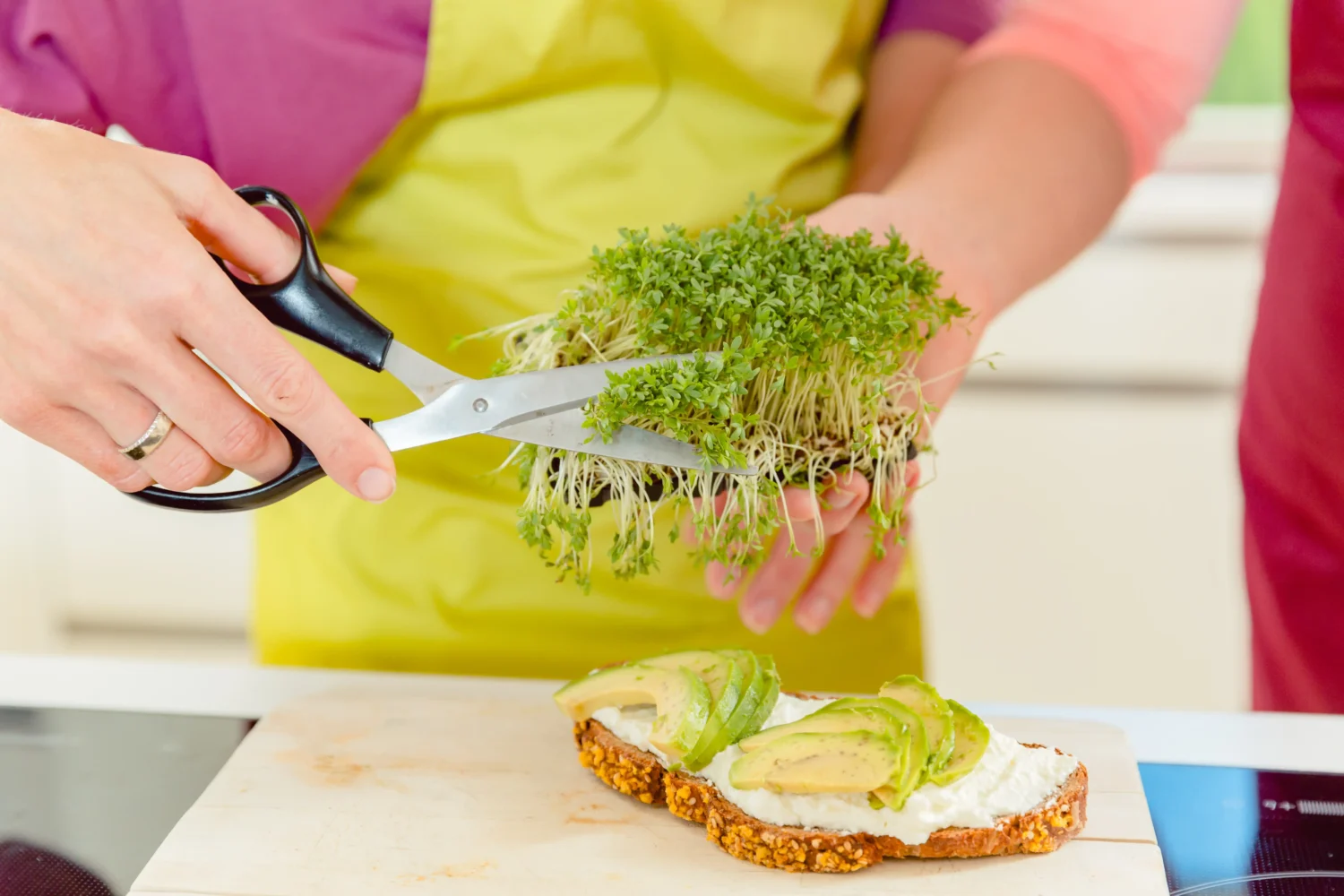
They may be added to soups, curries, dals, omelettes, noodles or stir-fries. Adding them near the end of cooking retains more texture, while longer cooking produces a softer result.
Thorough cooking reduces the microbial risk associated with raw sprouts, although clean handling and refrigeration remain important.
Food Safety When Growing Sprouts at Home
Raw sprouts carry a food-safety risk because the moist conditions that promote germination may also allow bacteria to multiply.
Contamination may already be present on the seed before sprouting begins. Washing and rinsing do not guarantee that every harmful microorganism has been removed.
Reduce risk by following these practices:
- Use seed supplied specifically for sprouting.
- Wash your hands before handling seeds or sprouts.
- Clean and dry all equipment between batches.
- Use potable water for soaking and rinsing.
- Keep the sprouting area separate from raw meat and dirty produce.
- Drain the sprouts completely after every rinse.
- Avoid extreme temperatures.
- Harvest promptly.
- Refrigerate immediately after harvest.
- Discard sprouts with an unusual smell, slime, discolouration or visible mould.
People who are pregnant, elderly, immunocompromised or very young are generally more vulnerable to foodborne illness. They should follow current New Zealand food-safety and professional medical advice before eating raw or lightly cooked sprouts.
Thorough cooking is the most reliable way to reduce the microbial risk associated with sprouts.
Common Problems When Growing Fenugreek Sprouts
Fenugreek Seeds Are Not Germinating
Poor germination may be caused by:
- Old or low-vigour seed.
- Seed not intended for sprouting.
- Insufficient soaking.
- The seeds drying out after soaking.
- Very cold indoor temperatures.
- Seed that has been heat-treated or chemically treated.
Use fresh sprouting seed, soak it for approximately six to eight hours and keep the seeds consistently moist without leaving them submerged.
The Sprouts Are Growing Very Slowly
Slow sprouting is common in cool New Zealand homes during winter.
Move the jar to a moderately warmer room, but do not place it directly beside a heater.
Continue the normal rinse-and-drain routine and assess the batch by freshness rather than expecting it to follow a rigid schedule.
The Sprouts Smell Sour
A sour, fermented or rotten smell indicates that the batch should be discarded.
Possible causes include:
- Poor drainage.
- Overcrowding.
- Excessive temperature.
- Dirty equipment.
- Insufficient rinsing.
- Growing the sprouts for too long.
Do not attempt to rescue questionable sprouts by repeatedly washing them.
The Sprouts Feel Slimy
Sliminess may indicate microbial growth or deterioration. Discard the batch.
For the next batch:
- Use less seed.
- Improve drainage.
- Increase airflow.
- Rinse regularly.
- Harvest earlier.
White Fuzz Is Appearing Around the Roots
Healthy developing roots can produce fine white root hairs. They are usually evenly distributed and may flatten or become less visible after rinsing.
Mould is more likely to appear as irregular webbing that spreads between seeds or sprouts. It may be accompanied by an unpleasant smell or discolouration.
Discard the batch whenever you are uncertain.
The Fenugreek Sprouts Are Too Bitter
Fenugreek naturally has a mild bitter character, which may become stronger as the sprouts mature.
For a milder flavour:
- Harvest the sprouts when young.
- Use a smaller quantity in meals.
- Combine them with milder sprouts.
- Add them to cooked dishes.
- Avoid extending the growing period unnecessarily.
The Sprouting Jar Is Overcrowded
Fenugreek expands significantly after soaking.
If the jar becomes tightly packed, water and air cannot circulate efficiently. Use less seed in the next batch.
Approximately one tablespoon per one-litre jar is a sensible starting quantity.
The Seeds Are Drying Out Between Rinses
Drying may occur in heated rooms or directly beneath a heat-pump outlet.
Move the jar away from concentrated airflow and rinse three times daily if necessary. Continue to drain completely after every rinse.
How Long Do Fenugreek Sprouts Last in the Fridge?
Home-grown sprouts should be used promptly.
Actual storage time depends on:
- Seed quality.
- Cleanliness during growing.
- How thoroughly the sprouts were drained.
- Refrigerator temperature.
- Handling after harvest.
Store them in a clean food-safe container in the refrigerator.
Inspect the sprouts before each use and discard them immediately if they develop slime, an unpleasant odour, unusual colour or loss of firmness.
Frequently Asked Questions
How long does fenugreek take to sprout in New Zealand?
Fenugreek is usually ready in approximately three to six days. Warm summer rooms may produce a faster crop, while cool winter rooms may extend germination.
How long should fenugreek seeds be soaked?
Soak the seeds for approximately six to eight hours in cool potable water, then drain them completely.
How many times should fenugreek sprouts be rinsed?
Rinse and drain the sprouts two or three times daily. Twice daily is normally sufficient in mild conditions.
Can fenugreek sprouts be grown all year in New Zealand?
Yes. They can be grown indoors throughout the year. Seasonal indoor temperatures may change the time required for harvest.
Can I use supermarket fenugreek seeds for sprouting?
Culinary fenugreek seed may germinate, but its age, storage, treatment and suitability for producing raw sprouts may be uncertain. Use seed specifically supplied for sprouting.
Do fenugreek sprouts require soil?
No. Sprouts are grown without soil in a jar, bag or ventilated sprouting tray.
Do fenugreek sprouts need sunlight?
No direct sunlight is needed. Keep them in indirect indoor light and avoid hot, sunny windows.
Why do fenugreek sprouts smell like curry?
Fenugreek naturally has a distinctive aroma commonly associated with curry spice blends. A characteristic fenugreek smell is normal; a sour or rotten smell is not.
Are fenugreek sprouts bitter?
They have a mild natural bitterness. Younger sprouts are generally milder than older, longer-grown shoots.
Can fenugreek sprouts be eaten raw?
They are commonly eaten raw, but all raw sprouts carry a microbial food-safety risk. Vulnerable people should follow current professional advice, and thorough cooking is the safer option.
Can fenugreek sprouts be added to curry?
Yes. Add them towards the end of cooking to retain texture, or cook them more thoroughly for a softer result.
Can fenugreek and alfalfa be grown in the same jar?
They can be combined, but separate growing makes it easier to manage different soaking, expansion and harvest requirements. Mix the sprouts after harvesting instead.
Why are my fenugreek sprouts turning green?
Developing shoots form chlorophyll when exposed to light. Some greening is normal.
How much fenugreek seed should I put in a jar?
Use approximately one tablespoon in a one-litre sprouting jar as a starting point.
Can fenugreek sprouts be grown in a sprouting bag?
Yes. Use a clean sprouting bag and hang it in a position where water can drain freely and air can circulate.
What should healthy fenugreek sprouts smell like?
They should have a fresh, characteristic fenugreek aroma. Sour, fermented or rotten smells indicate that the batch should be discarded.
Should the jar remain upside down?
After rinsing, keep the jar upside down at an angle. This allows excess water to drain while air enters through the mesh lid.
Can fenugreek seeds be left soaking overnight?
A six-to-eight-hour overnight soak is normally suitable. Avoid leaving the seeds submerged for substantially longer than required.
What is the best indoor temperature for fenugreek sprouts?
Fenugreek sprouts perform well in normal mild indoor conditions. Avoid very cold rooms, direct heat and rapid temperature fluctuations.
How do I know when fenugreek sprouts are ready?
Harvest when the roots and shoots are developed, the sprouts remain crisp and fresh, and the flavour suits your preference.
Can I grow fenugreek sprouts in a sealed container?
No. Germinating seeds require ventilation. Use a mesh lid or another sprouting system that allows drainage and airflow.
Tips for Growing Fenugreek Sprouts Successfully in New Zealand
Fenugreek is a quick and practical indoor crop for New Zealand homes. It can be grown throughout the year with only a jar, water and a small amount of bench space.
For reliable results:
- Use seed intended specifically for sprouting.
- Start with approximately one tablespoon per one-litre jar.
- Soak the seeds for six to eight hours.
- Rinse two or three times daily.
- Drain completely after every rinse.
- Keep the jar in indirect light.
- Protect it from direct heating and cold draughts.
- Allow extra time in cool winter rooms.
- Harvest promptly once the sprouts are ready.
- Refrigerate immediately after the final rinse.
- Discard any questionable batch.
The most important principle is to keep the seeds moist enough to germinate without allowing them to remain waterlogged. Good drainage, clean equipment and regular inspection are more important than producing the longest possible shoots.
Fenugreek sprouts have also been studied for their nutritional composition and bioactive compounds. For a broader scientific overview, see this review of fenugreek sprouts from around the world.