
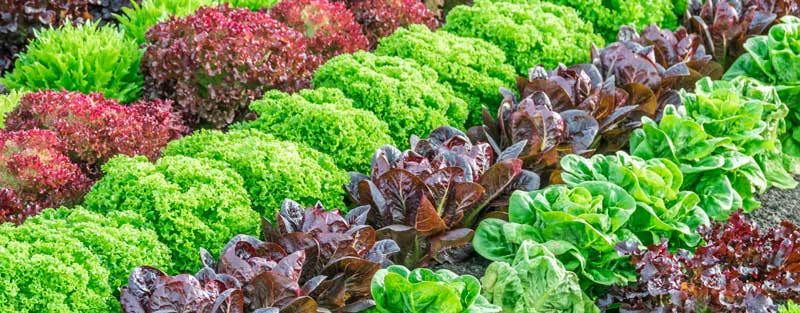
Lettuce is one of the easiest vegetables to grow, but many gardeners become frustrated when healthy plants suddenly produce a tall flower stalk and the leaves become bitter. This process is known as bolting, and it is a natural part of the lettuce life cycle. Understanding why lettuce bolts and how to prevent it can help you enjoy larger harvests and extend your growing season.
What Does Bolting Mean?
Bolting occurs when a lettuce plant stops focusing on leaf production and begins producing flowers and seeds. The plant rapidly sends up a central stem, often called a flower stalk, which can grow surprisingly quickly.
This change signals the end of the plant’s best harvest period. Once lettuce bolts, the leaves often become tougher and develop a bitter flavour.
Why Does Lettuce Bolt?
Several factors can trigger lettuce to bolt.
Hot Weather
The most common cause is prolonged exposure to warm temperatures. Lettuce is a cool-season crop and naturally prefers mild growing conditions. When daytime temperatures regularly exceed 25°C, many lettuce varieties begin preparing to produce seed.
Dry Soil
Water stress can encourage bolting. If lettuce plants repeatedly dry out, they may respond by flowering early.
Long Daylight Hours
Increasing day length during spring and summer can also trigger flowering. This is why lettuce often performs best during autumn, winter and early spring in many Australian regions.
Plant Stress
Poor soil fertility, root disturbance, overcrowding and inconsistent watering can all contribute to premature bolting.
Signs Your Lettuce Is About to Bolt
- A taller central stem begins developing.
- Leaves become narrower and more upright.
- The plant grows vertically very quickly.
- Leaves start tasting bitter.
- Small flower buds appear at the centre of the plant.
Once these signs appear, harvest as much as possible before flowering progresses.
How to Stop Lettuce Bolting
Bolting cannot be prevented forever, but several techniques can significantly delay it.
Choose Heat-Tolerant Lettuce Varieties
Some lettuce varieties naturally tolerate warmer conditions better than others. Cos lettuce and looseleaf lettuce varieties are often more forgiving in Australian gardens than many dense-heading types.
Parris Island Cos Lettuce Seeds are a good option for gardeners wanting a crisp Romaine-style lettuce with improved heat tolerance.
Water Consistently
Lettuce has shallow roots and benefits from regular watering. Keep soil evenly moist but not waterlogged. Mulching around plants can help conserve moisture and reduce temperature fluctuations.
Provide Afternoon Shade
In warmer climates, planting lettuce where it receives afternoon shade can dramatically reduce heat stress. Shade cloth can also help during periods of extreme heat.
Harvest Frequently
Regular harvesting encourages continued leaf production and can delay the plant’s transition to flowering. Pick outer leaves often rather than waiting too long for full maturity.
Plant at the Right Time
In most Australian regions, lettuce grows best during autumn, winter and early spring. Summer plantings are possible but may require shade, consistent watering and careful variety selection.
For more seasonal growing advice, read our guide on how to grow lettuce in winter in Australia.
Can You Eat Lettuce After It Bolts?
Yes, but quality usually declines. As flowering begins, lettuce leaves often become more bitter, tougher and less succulent.
Young bolting plants may still provide usable leaves, but the flavour is generally best before flowering starts.
What Happens If You Let Lettuce Flower?
Allowing lettuce to flower can be useful if you want to save seed. The plant will produce small yellow flowers that eventually form fluffy seed heads. Once dry, the seeds can be collected and stored for future planting.
Many heirloom lettuce varieties produce seed readily and are suitable for home seed saving.
Best Lettuce Types for Australian Gardens
Cos Lettuce
Cos lettuce, also known as Romaine lettuce, produces upright heads with crisp leaves. It is popular for salads, wraps and sandwiches, and some varieties offer better heat tolerance than other lettuce types.
Looseleaf Lettuce
Looseleaf lettuce varieties are among the easiest to grow and allow continuous harvesting. They are ideal for gardeners who want to pick leaves regularly rather than harvest whole heads.
Butterhead Lettuce
Butterhead lettuce is known for its soft texture and sweet flavour. It generally performs best in cooler conditions.
Iceberg Lettuce
Iceberg lettuce produces dense heads but can be more sensitive to heat and humidity than cos or looseleaf varieties.
To compare the main lettuce types, read our guide to the four main types of lettuce varieties.
Frequently Asked Questions
Why is my lettuce suddenly growing tall?
This is usually a sign that the plant is bolting and preparing to flower.
Does bolting mean my lettuce is dead?
No. The plant is simply entering its reproductive stage and producing seed.
Can I stop lettuce from bolting once it starts?
No. Once bolting begins, the process cannot be reversed. Harvest remaining leaves as soon as possible.
Which lettuce is most resistant to bolting?
Cos lettuce and many looseleaf lettuce varieties generally show better resistance to bolting than iceberg types.
Why does lettuce taste bitter?
Lettuce often becomes bitter when it is stressed by heat, dry soil or bolting. Harvesting earlier and keeping plants well-watered can help maintain better flavour.
Final Thoughts
Bolting is a natural part of the lettuce life cycle, but understanding its causes can help you extend your harvest and improve crop quality. By selecting suitable varieties, maintaining consistent moisture and protecting plants from excessive heat, you can enjoy fresh home-grown lettuce for much longer.
For Australian gardeners, heat-tolerant varieties such as Parris Island Cos are a reliable choice for crisp, fresh salad harvests throughout much of the growing season.