
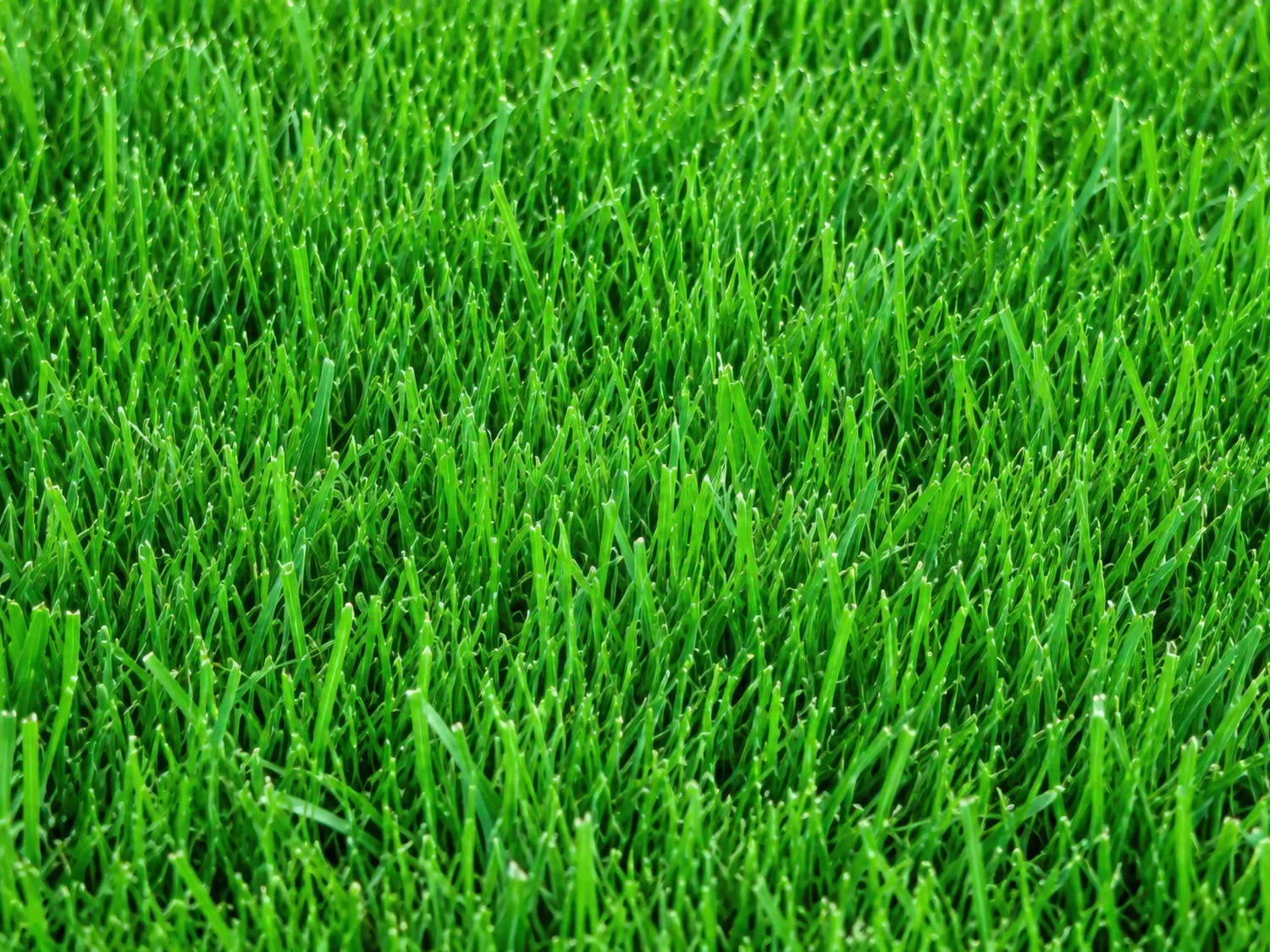


Kentucky Bluegrass Lawn Seeds
Grow a dense, fine-textured cool-season lawn with Kentucky Bluegrass, a spreading perennial turf grass valued for its rich green colour and natural self-repairing growth.
Kentucky Bluegrass (Poa pratensis) is a premium cool-season lawn grass known for producing a dense, attractive turf with excellent colour and a fine to medium leaf texture. Unlike bunch-forming lawn grasses, Kentucky Bluegrass spreads through underground rhizomes, allowing established turf to gradually thicken and repair moderate wear.
Best suited to cool and temperate regions of Australia, Kentucky Bluegrass performs particularly well where summers are mild, soils are fertile and regular moisture is available. It is widely used for home lawns, parks, recreational areas, sports turf and other permanent grassed areas where a high-quality lawn finish is desired.
Kentucky Bluegrass is slower to germinate and establish than grasses such as perennial ryegrass, but once established its rhizomatous growth habit can produce a long-lasting, resilient lawn with excellent recovery potential.
Kentucky Bluegrass Seed Details
| Botanical name | Poa pratensis |
|---|---|
| Common name | Kentucky Bluegrass |
| Grass type | Perennial cool-season turf grass |
| Leaf texture | Fine to medium |
| Growth habit | Rhizomatous, spreading and naturally self-repairing |
| Unmown height | Approximately 30–60 cm |
| Typical lawn height | Approximately 25–60 mm |
| Position | Full sun to light shade |
| Frost tolerance | Good to excellent |
| Drought tolerance | Moderate once established; regular moisture is preferred |
| Traffic tolerance | Moderate to good once established |
Why Choose Kentucky Bluegrass?
- Produces a dense, attractive cool-season lawn with excellent green colour.
- Fine to medium leaf texture provides a high-quality turf finish.
- Spreads through underground rhizomes, helping established turf thicken naturally.
- Rhizomatous growth allows moderate self-repair after wear or minor damage.
- Excellent frost tolerance and strong performance in cooler climates.
- Suitable for home lawns, parks, recreational areas and sports turf.
- Can be used for permanent grass cover, orchard floors and erosion control.
- Best suited to cool and temperate areas where regular moisture is available.
Best Uses for Kentucky Bluegrass
- Premium home lawns in cool and temperate climates
- Parks and landscaped grassed areas
- Sports turf and recreational areas
- School grounds
- Orchard floors
- Grassed pathways
- Permanent groundcover
- Soil stabilisation and erosion control
- Overseeding compatible cool-season turf
How to Grow Kentucky Bluegrass from Seed
Kentucky Bluegrass is slower to establish than some other lawn grasses, so careful seedbed preparation and consistent moisture are particularly important during germination.
- Prepare the lawn area.
Remove weeds, stones, existing unwanted grass and other debris. Rake the area to produce a fine, even seedbed. - Prepare firm, well-drained soil.
Kentucky Bluegrass performs best in fertile, well-drained soil that retains adequate moisture without remaining waterlogged. - Broadcast the seed evenly.
For new lawns, sow approximately 10–15 g per m². Higher rates can be used where a faster, denser turf is required. - Cover the seed lightly.
Rake the seed gently into the upper 3–6 mm of soil. Avoid burying the seed too deeply. - Improve seed-to-soil contact.
Lightly roll or press the surface after sowing to improve contact between the seed and moist soil. - Keep the seedbed consistently moist.
Water gently and frequently enough to prevent the upper soil layer from drying out during germination. - Allow time for establishment.
Kentucky Bluegrass commonly takes approximately 14–28 days to germinate and establishes more slowly than perennial ryegrass. - Limit traffic while establishing.
Avoid heavy foot traffic until seedlings are well rooted and the turf has started to thicken.
Kentucky Bluegrass Sowing Rate & Coverage
| Use | Sowing Rate | Approximate Coverage |
|---|---|---|
| New Lawn | 10–15 g per m² | 1 kg covers approximately 65–100 m² |
| Premium / Dense Lawn | 15–20 g per m² | 1 kg covers approximately 50–65 m² |
| Overseeding Existing Lawn | 5–10 g per m² | 1 kg covers approximately 100–200 m² |
| Large Turf Areas | 100–150 kg per hectare | Use higher rates where faster turf density is required |
Kentucky Bluegrass Seed Quantity Guide
| Seed Quantity | Approx. New Lawn Coverage | Approx. Overseeding Coverage |
|---|---|---|
| 100 g | 6–10 m² | 10–20 m² |
| 250 g | 16–25 m² | 25–50 m² |
| 500 g | 33–50 m² | 50–100 m² |
| 1 kg | 65–100 m² | 100–200 m² |
| 5 kg | 325–500 m² | 500–1,000 m² |
| 10 kg | 650–1,000 m² | 1,000–2,000 m² |
Coverage is a guide only. Higher sowing rates may be appropriate for faster establishment, premium lawn density, sloping sites, difficult soil conditions or areas exposed to seed loss.
When to Sow Kentucky Bluegrass in Australia
Kentucky Bluegrass is a cool-season lawn grass and establishes best during mild conditions. It is particularly well suited to cooler districts and temperate regions where summer heat is not excessive.
| Climate | General Sowing Guide |
|---|---|
| Cool | Spring to autumn. Excellent climate for Kentucky Bluegrass where adequate moisture is available. |
| Temperate | Autumn to spring. Sow during mild conditions with reliable watering and avoid establishment during extreme summer heat. |
| Subtropical | Autumn to winter in cooler districts. Performance is generally more limited as heat increases. |
| Tropical | Generally unsuitable for hot, humid tropical lowlands. Cooler highland locations may provide more suitable conditions. |
| Arid | Best attempted during cooler periods with reliable irrigation. Protect establishing turf from excessive heat and drying. |
For best results, consider local soil temperature, summer heat, frost, rainfall and irrigation availability rather than relying on calendar dates alone.
Kentucky Bluegrass Lawn Care & Maintenance
- Keep the seedbed consistently moist during germination and early establishment.
- Water regularly during dry conditions to maintain turf colour and density.
- Mow regularly once established to encourage a dense, even lawn surface.
- Avoid mowing excessively low, particularly during hot or dry weather.
- Apply an appropriate balanced lawn fertiliser during active growth where required.
- Limit heavy traffic while young turf is establishing.
- Thin areas can be overseeded during suitable autumn or spring conditions where additional density is required.
Kentucky Bluegrass vs Tall Fescue & Ryegrass
Kentucky Bluegrass differs from many other cool-season lawn grasses because it spreads through underground rhizomes. This allows established turf to gradually fill small gaps and recover from moderate wear.
Compared with Perennial Ryegrass: Kentucky Bluegrass generally germinates and establishes more slowly, but its spreading rhizomes provide better natural thickening and self-repair once established.
Compared with Tall Fescue: Kentucky Bluegrass generally prefers more regular moisture and cooler conditions, while Tall Fescue is often selected where deeper rooting and greater tolerance of heat or drier conditions are required. Kentucky Bluegrass can provide a finer, denser lawn finish under suitable conditions.
Important Growing Notes
- Kentucky Bluegrass is best suited to cool and temperate Australian climates.
- It is slower to germinate and establish than many other lawn grasses.
- Regular moisture is particularly important during germination and establishment.
- Full sun generally produces the best turf density, although light shade can be tolerated.
- It is not generally recommended for hot, humid tropical lowland climates.
- Use higher sowing rates where faster coverage or a particularly dense lawn finish is required.
Frequently Asked Questions
What is Kentucky Bluegrass?
Kentucky Bluegrass (Poa pratensis) is a perennial cool-season turf grass valued for its dense green lawn appearance and ability to spread through underground rhizomes.
Is Kentucky Bluegrass suitable for Australian lawns?
Yes, particularly in cool and temperate regions. It performs best where summers are relatively mild and regular moisture is available.
How long does Kentucky Bluegrass take to germinate?
Germination commonly takes approximately 14–28 days depending on soil temperature, moisture and growing conditions.
How much Kentucky Bluegrass seed do I need?
For new lawn establishment, approximately 10–15 g per m² is a useful general sowing rate. A denser lawn may be established using approximately 15–20 g per m².
How much area will 1 kg of Kentucky Bluegrass seed cover?
At approximately 10–15 g per m², 1 kg can cover roughly 65–100 m² of new lawn. For overseeding at approximately 5–10 g per m², 1 kg can cover approximately 100–200 m².
Does Kentucky Bluegrass spread?
Yes. Kentucky Bluegrass produces underground rhizomes that allow established turf to spread laterally, thicken and repair small damaged or thin areas.
Is Kentucky Bluegrass drought tolerant?
It has moderate drought tolerance once established but generally performs best with regular moisture. Extended hot, dry conditions can reduce turf quality.
Does Kentucky Bluegrass tolerate frost?
Yes. Kentucky Bluegrass has good to excellent frost tolerance and is well adapted to cooler growing conditions.
Can Kentucky Bluegrass grow in shade?
Light shade can be tolerated, but full sun generally produces the strongest growth and densest lawn.
Can Kentucky Bluegrass be used for sports turf?
Yes. Its dense growth and ability to spread through rhizomes make it suitable for suitable sports and recreational turf, although establishment is slower than some other turf grasses.
What is the best time to sow Kentucky Bluegrass?
In temperate regions, autumn through spring generally provides the best conditions. In cooler regions, sowing can extend from spring through autumn where moisture is available and conditions remain mild.
Is Kentucky Bluegrass suitable for tropical Australia?
It is generally not recommended for hot, humid tropical lowlands. Cooler tropical highland locations may provide more suitable conditions.
Reviews
There are no reviews yet.