


BABY BROCCOLI Vegetable Seeds
Botanical Name: Brassica oleracea (broccoli × kailaan hybrid)
Important Notice: These seeds have been treated with a fungicide (Thiram). Do not consume the seeds or feed them to animals. Fungicide treatment is required under AQIS regulations for certain seed varieties. This treatment does not affect plant growth or pose a risk to beneficial insects (e.g., bees). We prioritise untreated seed where possible; however, availability in Australia is extremely limited.
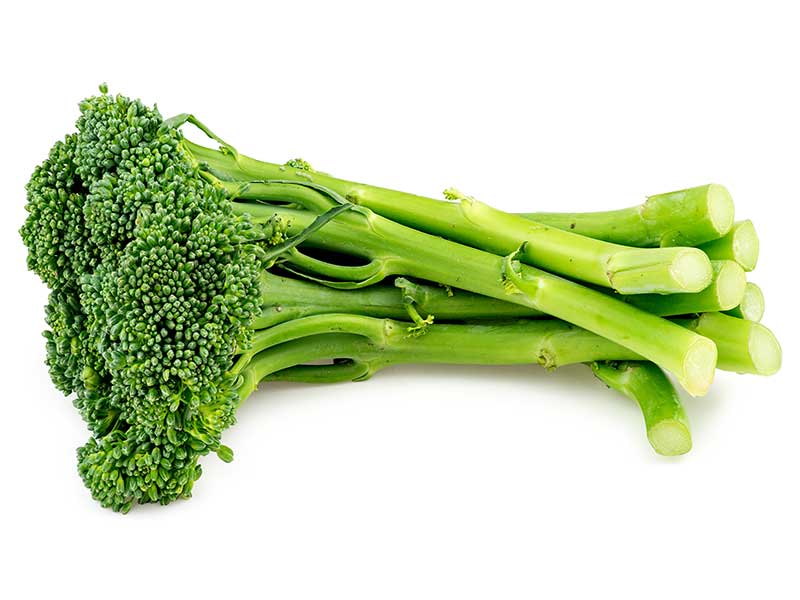
Baby Broccoli is a premium “tenderstem” class cross that delivers sweet, slender stems with small dome-shaped florets—perfect for quick weeknight cooking. Bred for high yields and continuous side shoots, it’s an excellent choice for Australian home gardeners wanting reliable harvests across the cool season. For variety comparisons and seasonal tips, see our Complete Guide to Growing Broccoli Varieties in Australia.
- Sweet, tender “tenderstem” class—broccoli × kailaan cross for excellent flavour.
- Elongated, crisp stems with small, uniform heads—easy harvest and prep.
- Premium bunching appearance with dark-green florets and pale-green stems.
- High yielding: pinch the first head to promote branching and extend the harvest window.
- Ideal for stir-fries, steaming, roasting, and quick sautés.
- Thrives in cool weather; best in fertile, well-drained soil.
Plant Details
- Type: Annual cool-season vegetable
- Mature Height: 50–70 cm
- Habit: Upright with prolific side shoots after first cut
Sowing Information
- Germination: 7–14 days
- Sowing Depth: 1–2 cm
- Position: Full sun to partial shade
- Sow Where: Direct in beds or raise in trays for transplanting
- Soil: Fertile, well-drained, pH 6.0–7.0; enrich with compost prior to sowing
- Spacing: 30–45 cm between plants; 45–60 cm between rows
Growing Tips
- Pinch/remove the first central head early to encourage multiple side shoots.
- Keep soil evenly moist for juicy stems; mulch to conserve moisture and suppress weeds.
- Feed with a balanced fertiliser at planting, then side-dress as buds form.
- Protect from heat spikes to reduce bolting; use shade cloth during warm spells if needed.
- Monitor for cabbage moth and aphids; netting and organic controls are effective.
Harvest
78–90 days from sowing. Cut stems when buds are tight and domed; harvest regularly to keep new shoots coming.
When to Sow Baby Broccoli in Your Climate
| Climate Zone | Best Planting Time | Tips |
|---|---|---|
| Temperate | March–June, August–September | Sow early spring or late summer; avoid peak summer heat for best stems. |
| Subtropical | March–May, August–September | Grow through cooler months; provide light shade in warm spells. |
| Tropical | Not recommended | Consider heat-tolerant leafy brassicas as an alternative. |
| Cool | February–April, August–September | Start early for autumn harvests; protect seedlings from frost. |
| Arid | March–May | Sow during cooler periods; mulch well and water consistently. |
Companion Planting
Baby Broccoli benefits greatly from companion plants that boost growth, deter pests naturally, and improve overall garden health. Strategic planting creates a supportive ecosystem, maximising crop performance and flavour.
- Sage: An aromatic herb that repels cabbage moths, aphids and flea beetles. Sage’s scent masks broccoli, reducing pest attraction while encouraging beneficial insects and pollinators to the garden.
- Nasturtium: Acts as a trap crop, drawing aphids and whiteflies away from broccoli. Its low-growing habit shades soil, conserves moisture, and improves soil structure through natural nutrient cycling.
- Additional Companions: Chamomile, dill, onions, celery and marigold support pest control, enhance pollination and promote healthy, vigorous growth when planted alongside broccoli.
Using sage and nasturtium together with Baby Broccoli creates a productive, low-maintenance planting system. This combination improves soil fertility, reduces pest damage, and fosters steady, healthy development throughout the growing season, resulting in larger, more robust heads and a reliable harvest.