
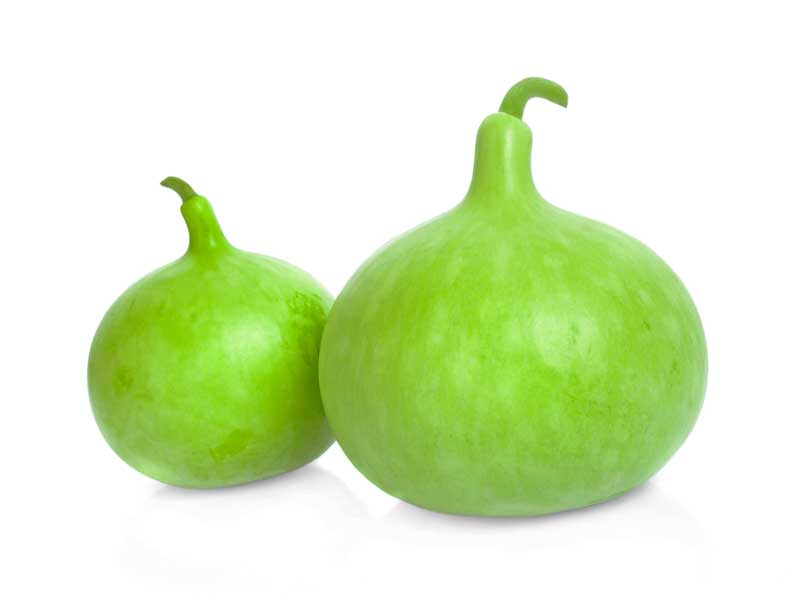
Bottle gourd is one of the most widely grown Asian cooking gourds and has been cultivated for thousands of years. With smooth pale green fruits and a sprawling or climbing growth habit, this versatile vine suits many Australian climates. Whether you’re growing it for food or as a drying gourd for crafts, bottle gourd is a rewarding addition to any warm-season garden.
What Is Bottle Gourd?
Botanical Name: Lagenaria siceraria
Also Known As: calabash gourd, long melon, opo (Chinese), lauki/lau (Hindi), dudhi (Gujarati), sorakaya (Telugu)
This vine is a member of the cucurbit family and produces tender, edible fruits used in stir-fries, soups, and stews across India, Southeast Asia, and China. The plant has soft hairy stems, large green leaves, and white night-blooming flowers. If left to mature, the fruits can be dried and turned into durable containers or crafts.
Quick Growing Info
| Category | Details |
|---|---|
| Plant Type | Annual climbing vine |
| Botanical Name | Lagenaria siceraria |
| Climate Zones | Temperate, Subtropical, Tropical |
| Sowing Season | Oct–Jan (Temperate/Subtropical), Dry Season (Tropical) |
| Days to Harvest | 60–90 days |
| Spacing | 60–90 cm between plants |
| Sunlight | Full sun (6+ hours) |
| Soil pH | 6.0–6.8, well-drained and fertile |
| Support Needed | Yes – trellis, pergola or fence |
How to Grow Bottle Gourd from Seed
Soak seeds for 12–24 hours in warm water to soften the seed coat. Sow 2–3 cm deep in rich soil or potting mix once the soil is warm (above 20°C). In cooler regions, start seeds indoors in late winter and transplant after the last frost. Provide 60–90 cm spacing between plants to give vines room to spread.
Use a strong vertical support like a trellis, archway, or bamboo structure. This keeps fruit off the ground, improves airflow, and produces straighter gourds. Keep the soil evenly moist but not soggy. Mulch can help regulate temperature and retain moisture.
Pollination
Bottle gourds produce male and female flowers separately. Female flowers have a small fruit behind them. You can hand-pollinate in the morning using a cotton bud if natural pollination is low—this ensures better fruit set.
Common Problems and Fixes
| Problem | Cause | What to Do |
|---|---|---|
| Fruit dropping off | Poor pollination or excess nitrogen | Hand-pollinate flowers and reduce nitrogen feeds |
| White powder on leaves | Powdery mildew | Improve airflow, avoid overhead watering, use eco-fungicide |
| Tiny insects on stems | Aphids | Spray with water or neem oil early in infestation |
| Rotting base of fruit | Water sitting on soil surface or contact with wet ground | Grow vertically and mulch soil to reduce splash |
When and How to Harvest
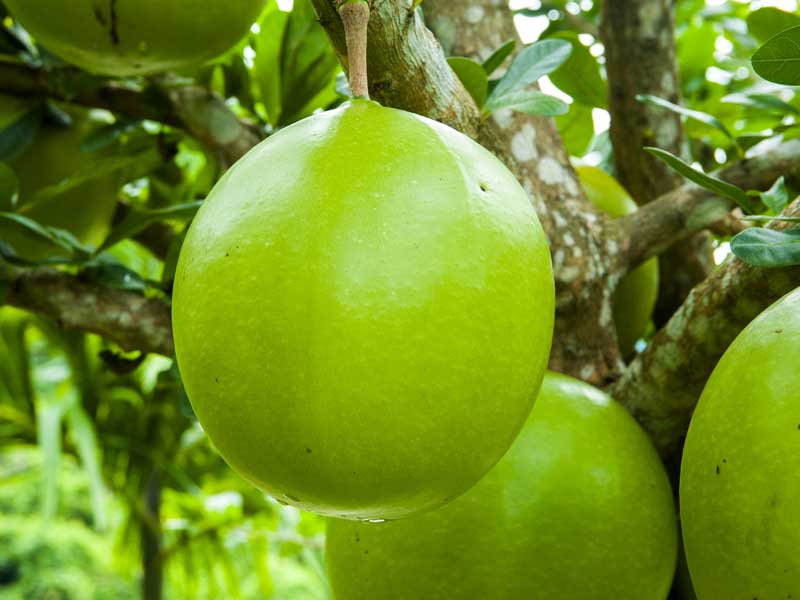
Harvest when fruit is 25–40 cm long, firm, and still light green. Scratch the skin with your fingernail—if it marks easily, it’s tender and ready. Overripe gourds become woody and unsuitable for eating.
Use sharp secateurs and leave a short piece of stem attached. Harvesting regularly encourages more fruit to grow.
How to Use Bottle Gourd in the Kitchen
Bottle gourd has a mild flavour that absorbs spices well. It softens when cooked, making it perfect for slow-cooked dishes. Try these simple recipes:
- Bottle Gourd Curry: Peel, dice and cook with turmeric, cumin, garlic and tomatoes for a traditional Indian side dish.
- Lauki Kofta: Grate and mix with chickpea flour and spices, form into balls and shallow fry. Serve in tomato-based gravy.
- Chinese Stir-fried Opo: Slice and sauté with ginger, garlic, and sesame oil. Finish with a splash of soy sauce.
- Bottle Gourd Soup: Simmer peeled gourd with onion and stock, blend smooth and season to taste.
Drying for Craft or Storage
Let fruits mature fully on the vine for crafting. The skin will harden, and fruit will become lighter as it dries. Store in a dry, airy space for 4–6 weeks. Once dry, bottle gourds can be used for utensils, bowls, birdhouses, or ornamental crafts.
References and Further Reading
Next in the Series
This article is part of our Asian Edible Gourd Series. Explore more varieties: